01 · Read · A life to discover
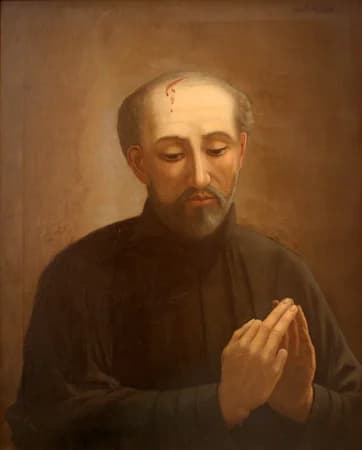
St. Isaac Jogues
Saint Isaac Jogues was a French Jesuit missionary in seventeenth-century North America. His work among Indigenous communities unfolded amid epidemic disease, European colonization, and warfare, and ended with his death in 1646.
After arriving in New France in 1636, Jogues traveled to Wendat communities and began learning their language. Missionary activity took place within a fragile political situation: disease increased mistrust, while French alliances and conflicts affected both missionaries and Indigenous people.
Captured with companions in 1642, he endured severe injuries and prolonged captivity. Dutch assistance enabled his escape and return to France. Because his hands had been mutilated, he received permission to celebrate Mass despite the physical limitations that would ordinarily have prevented it. He chose to return to North America.
Jogues subsequently served as an envoy during peace negotiations. On another journey he was killed after renewed conflict and accusations surrounding crop failure and illness. The Jesuit account records disagreement among his captors, some of whom favored peace and protection. Remembering those differences avoids reducing diverse Indigenous communities to a single hostile group. He is honored among the North American Martyrs.
This saint is included on this recurring date in the U.S. Roman Rite calendar published by the USCCB. This reading guide gives U.S. calendar saints priority; the Mass celebrated on a particular year’s date can differ because of Sundays, seasons or higher-ranking celebrations.
Explore the biography & sources ↗