Catholic saint biography
St. Peter the Apostle
Saint Peter the Apostle, also called Simon Peter or Cephas, was a fisherman from Bethsaida whom Jesus called to follow him. Catholics celebrate him with Saint Paul on June 29. That celebration is not a record of Peter's birthday.
- Commemoration:
- June 29
- Lived:
- First century — Bethsaida, Galilee
Why dates and liturgical observances can differ
Read the sources for this biography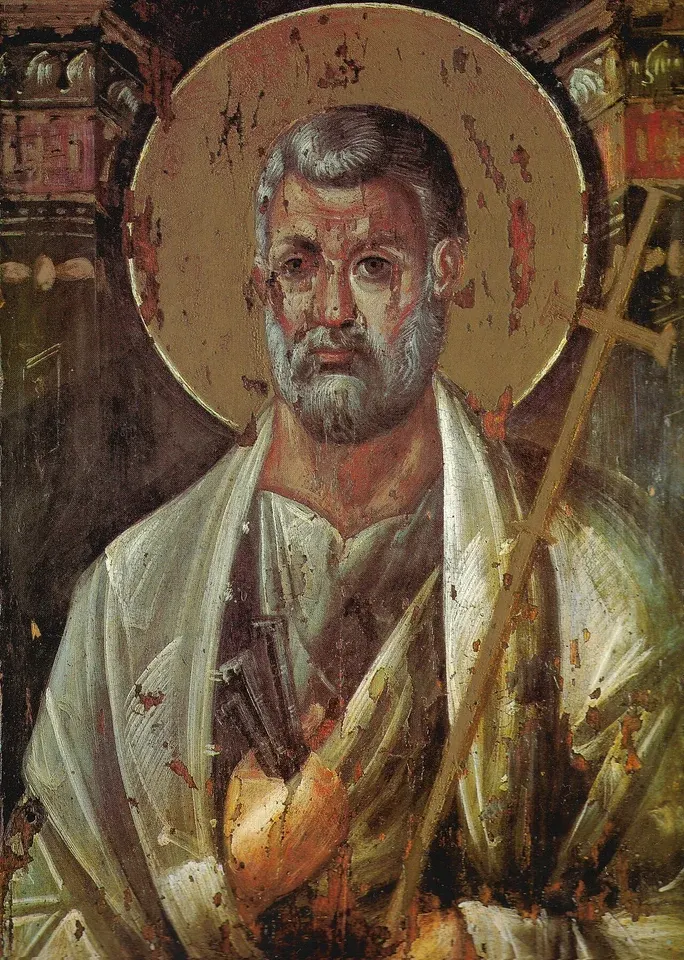
Peter the Apostle: names, birthday and feast day
When was Saint Peter born?
A precise birthday is not established by the Gospel accounts discussed in Benedict XVI's biography of Peter. They place him in the first-century world of Jesus and identify his home town and work, but do not supply a birth date. June 29 is his liturgical celebration with Paul; it should not be copied into a biography as his date of birth.
Are Simon, Cephas and Peter the same person?
Yes, in these accounts they refer to the same apostle. Simon was his earlier name; Cephas is the Aramaic name given by Jesus, rendered Peter in Greek and associated with rock. Benedict XVI identifies him as Andrew's brother and a fisherman from Bethsaida. Simon the Zealot, another member of the Twelve, is a different apostle.
When is Saint Peter's feast day?
June 29 is the Solemnity of Saints Peter and Paul, Apostles, in the Roman Catholic calendar. It is a shared celebration, even though Peter and Paul have distinct life stories. In 2026, June 29 falls on a Monday. This is a date for the Church's worship, not evidence of Peter's historical birthday.
These answers were compared with the linked sources on using AI assistance.
Biography
Peter, originally called Simon, was a fisherman whom Jesus called to discipleship with his brother Andrew. The Gospels place him at important moments in Jesus’ ministry, including the confession of Jesus as Messiah and the Transfiguration. They also preserve his failure: he denied knowing Jesus during the events leading to the Crucifixion.
The change from Simon to Peter is connected with his commission in Matthew 16, where the image of the keys expresses responsibility within the community. This is why keys became his familiar identifying symbol in Christian art and why Catholic tradition associates him with the foundations of the papacy.
His portrayal is not one of effortless certainty. Questions, misunderstanding, loyalty, and repentance all appear in the Gospel narratives. Read together, they explain a leadership grounded in an encounter with mercy rather than an account that conceals personal failure.
His calling took place within a working household. The Gospels associate him with Bethsaida, with fishing on the Sea of Galilee, and with a home at Capernaum where Jesus healed his mother-in-law. These details situate him as a married Jewish man with family and livelihood, not as someone whose life began only when he became an apostle. Discipleship changed the direction of an already established life.
Benedict XVI’s reflection on Peter emphasizes the mixture of determination and fear in his character. The same disciple who speaks boldly must learn that Jesus’ mission cannot be controlled by his own expectations. His importance for Christian readers includes that process of learning: faithfulness grows through correction and repentance. The Gospel portrait leaves his weaknesses visible alongside his distinctive responsibility, allowing his story to speak to people conscious of their own failures.
After the Resurrection, John’s Gospel describes Jesus entrusting Peter with care for his followers. Acts presents him as a prominent witness in the early Church. Christian tradition associates his final ministry and martyrdom with Rome. His shared feast with Paul on June 29 recalls two distinct lives that helped shape the Church’s beginnings.
Context & contribution
Why receiving service was difficult
Peter’s resistance when Jesus washes his feet adds a distinctive difficulty to his Gospel portrait. He is not only reluctant to suffer with Jesus; he must also learn to accept service from him. The episode challenges Peter’s expectations about what authority should look like.
Read beside the later charge to tend Christ’s followers, this scene gives pastoral responsibility a concrete shape. Leadership involves care received before care offered. Peter’s questions and objections remain in the narrative, allowing readers to see formation as a process rather than imagining that his commission removed the need to learn.
Explore the sources for this section
AI-assisted source comparison updated 2026-09-26. Editorial approach
From the Saint Discovery blog
Keep exploring your faith
Practical guides to prayer, the saints, and living the Catholic faith.
How to Pray the Jesus Prayer: A Catholic Beginner's Guide
Learn the Jesus Prayer, its Eastern Christian roots and biblical meaning, with a simple Catholic practice focused on Christ and mercy.
Explore mercy and reconciliationRead the article Prayer & reflectionHow to Read Saint Faustina's Diary: A Catholic Beginner's Guide
New to Saint Faustina's Diary? Learn how to read it with the Gospel, understand private revelation, and turn reflection on Divine Mercy into daily action.
Explore mercy and reconciliationRead the articleFrom reading to reflection
What will you carry with you?
After reading about St. Peter the Apostle, take a moment to consider:
- Read John 13 alongside John 21. What connection do you see between accepting the washing of feet and caring for a flock?
These are reflection prompts from Saint Discovery, not quotations from the saint.
Sources and further reading
Biography source comparison recorded on . This is an AI-assisted comparison, not independent human or ecclesiastical approval.
What the recorded review covers
AI-assisted expansion using the linked historical and ecclesiastical sources; devotional traditions distinguished from documented history.
A source list helps you check an account; it does not establish that every claim is certain. Follow the biography’s qualifications about historical evidence, traditions and feast calendars.
Suggest a correction to this biography
How we research these pages and handle corrections · Directory corrections log
More lives to explore
Suggestions based on the site’s quiz themes, not a historical relationship or a measure of holiness.