Catholic saint biography
St. Pius V
- Commemoration:
- April 30
- Lived:
- Sixteenth century; died 1572 — Italy
Why dates and liturgical observances can differ
Read the sources for this biography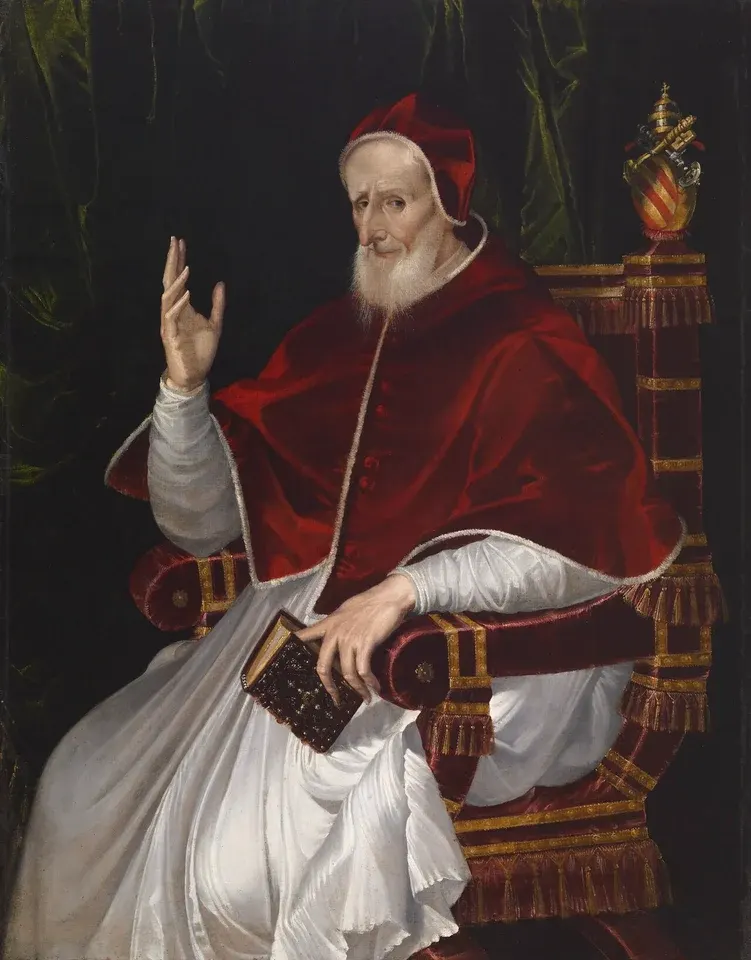
Biography
Pius V was a pope closely associated with carrying out the reforms of the Council of Trent. His pontificate produced the Roman Catechism and revised editions of the breviary and missal, giving lasting form to Catholic teaching and worship. He also pressed bishops to reside in their dioceses and opposed nepotism.
The sequence of publications shows how the Tridentine reforms became usable texts: the catechism appeared in 1566, the breviary in 1568, and the missal in 1570. These were instruments for clergy and worshiping communities, not simply declarations of papal intent.
During the famine of 1566 he reduced unnecessary spending and organized food and medical assistance. His involvement in the naval conflict at Lepanto also contributed to the history of the Rosary feast. He died in 1572 and was buried in Rome's Saint Mary Major.
His rule combined religious reform with the conflicts of sixteenth-century Europe, including the Holy League and the confrontation with Elizabeth I of England. Vatican accounts also record relief for the poor during famine and support for hospitals. Remembering both his pastoral measures and his forceful exercise of authority places him in his historical setting.
Context & contribution
Turning a council into everyday practice
The Roman Catechism, breviary, and missal addressed different parts of church life: instruction, the prayer of clergy and religious, and the celebration of Mass. Their publication under Pius V illustrates the work that follows a council. Decisions must become texts and practices that communities can actually use.
His insistence on episcopal residence belongs to the same practical concern. A bishop’s responsibilities could not be fulfilled merely by holding a title from a distance. Studying these measures together provides a more precise view of his reform program, while leaving room to assess the political and coercive aspects of his pontificate separately.
Explore the sources for this section
AI-assisted source comparison updated 2026-09-26. Editorial approach
From the Saint Discovery blog
Keep exploring your faith
Practical guides to prayer, the saints, and living the Catholic faith.
Why Do Catholics Pray to Saints? Intercession Explained
Why do Catholics pray to saints? Learn how intercession differs from worship, how it relates to Jesus, and a simple way to ask a saint to pray for you.
A next step with your saintRead the article Living the seasonsHow to Celebrate Your Patron Saint's Feast Day at Home
Celebrate your patron saint's feast day with prayer, a short biography, and an act of kindness. A practical plan for families, sponsors, and individuals.
A next step with your saintRead the articleFrom reading to reflection
What will you carry with you?
After reading about St. Pius V, take a moment to consider:
- Choose one reform associated with Pius V and explain how it would affect an ordinary parish rather than only officials in Rome.
These are reflection prompts from Saint Discovery, not quotations from the saint.
Sources and further reading
Biography source comparison recorded on . This is an AI-assisted comparison, not independent human or ecclesiastical approval.
What the recorded review covers
AI-assisted expansion using the linked historical and ecclesiastical sources; devotional traditions distinguished from documented history.
A source list helps you check an account; it does not establish that every claim is certain. Follow the biography’s qualifications about historical evidence, traditions and feast calendars.
Suggest a correction to this biography
How we research these pages and handle corrections · Directory corrections log
More lives to explore
Suggestions based on the site’s quiz themes, not a historical relationship or a measure of holiness.