Catholic saint biography
St. Blaise of Sebaste
- Commemoration:
- February 3
- Lived:
- Traditionally died about 316 — Sebaste, Armenia
Why dates and liturgical observances can differ
Read the sources for this biography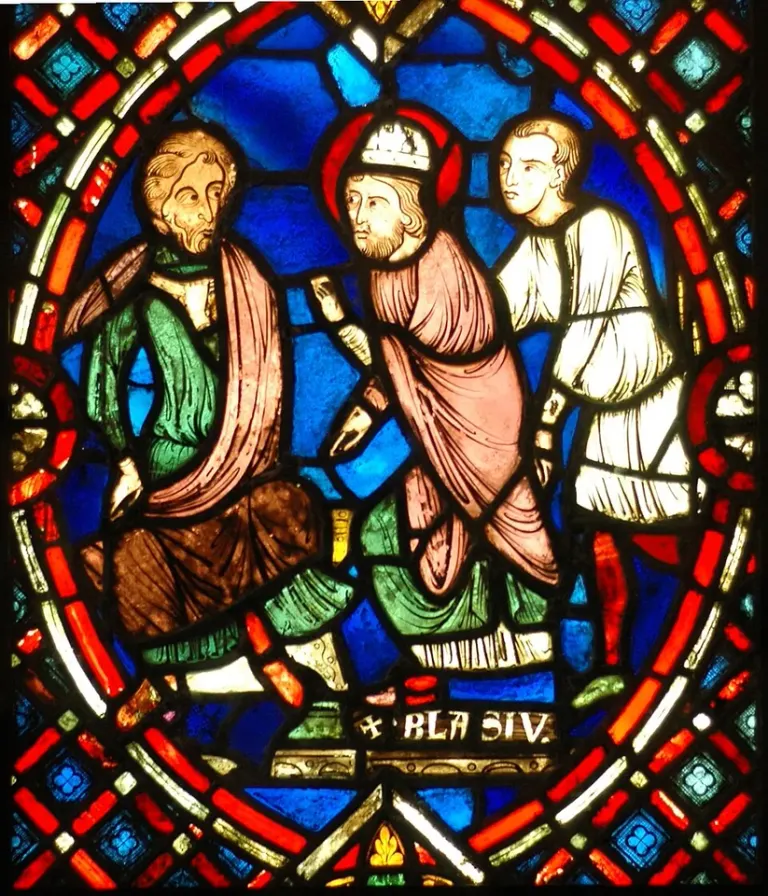
Biography
Blaise is remembered as a bishop and martyr of Sebaste. His traditional account describes a physician who became a bishop and was killed after refusing to renounce Christianity. Much of his familiar story comes through later devotional tradition rather than a detailed contemporary biography.
The traditional setting is Sebaste in Armenia, rather than a western European town where his devotion later became widespread. The story connects pastoral office with concern for a child in immediate distress. That association helps explain why a bishop from antiquity remains familiar through a blessing practiced in parish churches.
The brief Vatican notice traditionally dates his death to 316. It does not supply enough evidence for a complete childhood or medical career. Prayers for healing and the historical question of what can be established about his life should be distinguished without dismissing the devotion itself.
The best-known episode tells of a child delivered from a fish bone lodged in his throat. This story explains Blaise’s particular association with prayers for those suffering from throat ailments and the blessing of throats on his feast. The Catholic calendar commemorates him on February 3.
Context & contribution
A blessing that remembers caregivers too
The Church's rite for the blessing of throats makes Blaise's remembrance part of a wider prayer for the sick. Its suggested intercessions include families, people with disabilities, and medical caregivers. The familiar crossed candles are therefore one visible element in a celebration whose concern extends beyond one ailment or one person's request.
The rite also provides for people unable to attend a parish celebration and for circumstances in which an individual blessing is impractical. These provisions reveal the pastoral purpose of the custom: including vulnerable people in the community's prayer. Reading the actual service gives a fuller picture of Blaise's legacy than concentrating only on the dramatic rescue in his later legend.
Explore the sources for this section
AI-assisted source comparison updated 2026-09-26. Editorial approach
From the Saint Discovery blog
Keep exploring your faith
Practical guides to prayer, the saints, and living the Catholic faith.
Why Do Catholics Pray to Saints? Intercession Explained
Why do Catholics pray to saints? Learn how intercession differs from worship, how it relates to Jesus, and a simple way to ask a saint to pray for you.
A next step with your saintRead the article Living the seasonsHow to Celebrate Your Patron Saint's Feast Day at Home
Celebrate your patron saint's feast day with prayer, a short biography, and an act of kindness. A practical plan for families, sponsors, and individuals.
A next step with your saintRead the articleFrom reading to reflection
What will you carry with you?
After reading about St. Blaise of Sebaste, take a moment to consider:
- Read the rite's intercessions and identify a caregiver or housebound person whom a parish could remember through a concrete visit or offer of help.
These are reflection prompts from Saint Discovery, not quotations from the saint.
Sources and further reading
Biography source comparison recorded on . This is an AI-assisted comparison, not independent human or ecclesiastical approval.
What the recorded review covers
AI-assisted expansion checked against retrieved historical and institutional sources; traditions distinguished from documented history; not ecclesiastical approval
A source list helps you check an account; it does not establish that every claim is certain. Follow the biography’s qualifications about historical evidence, traditions and feast calendars.
Suggest a correction to this biography
How we research these pages and handle corrections · Directory corrections log
More lives to explore
Suggestions based on the site’s quiz themes, not a historical relationship or a measure of holiness.