Catholic saint biography
St. Philip Neri
- Commemoration:
- May 26
- Lived:
- Sixteenth century; died 1595 — Italy; ministry in Rome
Why dates and liturgical observances can differ
Read the sources for this biography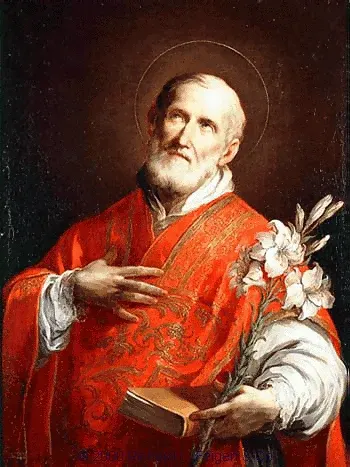
Biography
Philip Neri gathered people in Rome through friendship, prayer, visits to the sick, and conversation about Christian life. After his ordination in 1551, his ministry of confession and spiritual guidance helped a community develop around him. That community became the Congregation of the Oratory, approved in 1575.
Arriving in Rome in 1534, Philip served people long before becoming a priest. Hospital visits and practical assistance accompanied his nights of prayer. His later priestly ministry grew from these personal relationships rather than replacing them with a distant institutional role.
Conversation and accessible instruction became characteristic of the gatherings around him. His humor served a serious purpose: it challenged vanity and encouraged people to grow without theatrical self-importance. The community's enduring shape reflected this combination of personal freedom, friendship, and steady religious practice.
Philip’s spiritual teaching emphasized humility, joy, and attentiveness to other people. His love of contemplation did not excuse neglect of ordinary responsibilities or interruptions from those who needed help. He died on May 26, 1595. The Oratory continued his distinctive pattern of shared religious life and pastoral service.
Context & contribution
A community formed through personal attention
The account of Philip’s Roman ministry places visits to sick people and individual conversations before the formal recognition of his congregation. The Oratory emerged from relationships and shared practice. Its institutional history cannot be understood solely through the date of papal approval.
His reputation for joy also included discipline and attention to other people’s requests. Humility was not restricted to deference toward powerful figures; it involved respect for equals and those assigned ordinary household duties. That combination helps distinguish his humor from entertainment detached from the needs of a community.
Explore the sources for this section
AI-assisted source comparison updated 2026-09-26. Editorial approach
From the Saint Discovery blog
Keep exploring your faith
Practical guides to prayer, the saints, and living the Catholic faith.
How to Make a Spiritual Communion When You Cannot Receive
Learn how to make a spiritual communion, with a short original prayer and clear guidance on Mass, Confession, and times when you cannot receive.
Explore mercy and reconciliationRead the article Prayer & reflectionHow to Pray the Jesus Prayer: A Catholic Beginner's Guide
Learn the Jesus Prayer, its Eastern Christian roots and biblical meaning, with a simple Catholic practice focused on Christ and mercy.
Explore mercy and reconciliationRead the articleFrom reading to reflection
What will you carry with you?
After reading about St. Philip Neri, take a moment to consider:
- What would it mean to show the same attentiveness to a porter or volunteer as to a prominent guest?
These are reflection prompts from Saint Discovery, not quotations from the saint.
Sources and further reading
Biography source comparison recorded on . This is an AI-assisted comparison, not independent human or ecclesiastical approval.
What the recorded review covers
AI-assisted expansion using the linked historical and ecclesiastical sources; devotional traditions distinguished from documented history.
A source list helps you check an account; it does not establish that every claim is certain. Follow the biography’s qualifications about historical evidence, traditions and feast calendars.
Suggest a correction to this biography
How we research these pages and handle corrections · Directory corrections log
More lives to explore
Suggestions based on the site’s quiz themes, not a historical relationship or a measure of holiness.