Catholic saint biography
St. Benignus of Armagh
- Commemoration:
- November 9
- Lived:
- Fifth century; traditionally died 467 — Ireland
Why dates and liturgical observances can differ
Read the sources for this biography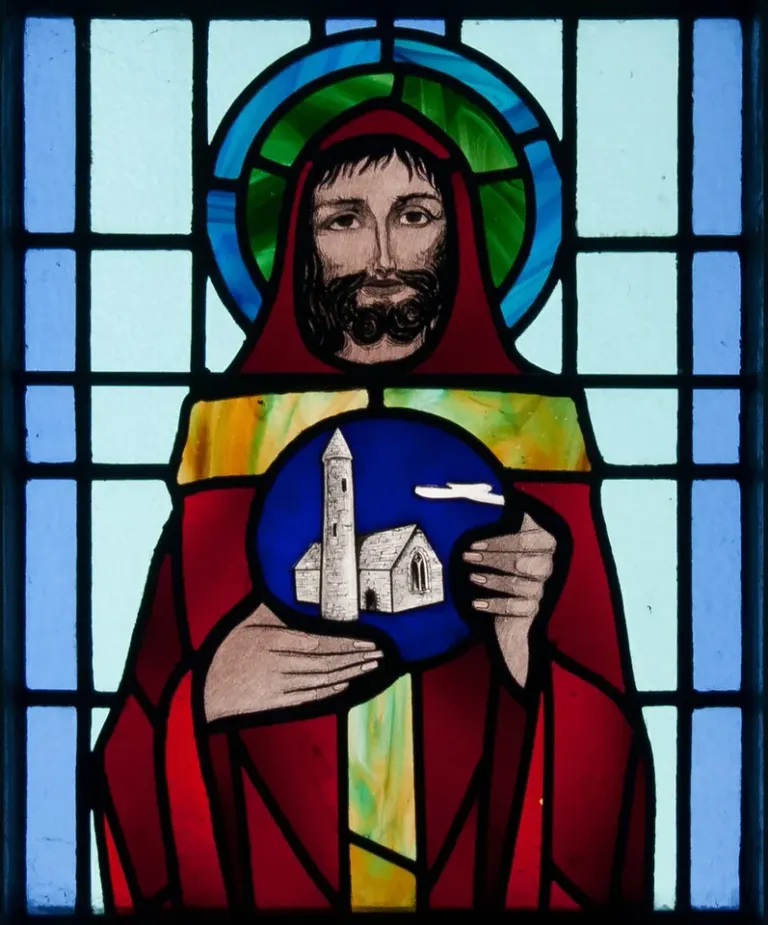
Biography
Benignus, also known as Benén, is remembered in Irish Christian tradition as a disciple and companion of Patrick. Accounts describe his musical gifts and his contribution to worship, giving him the reputation of Patrick’s psalm-singer.
The tradition places his origins in what is now County Meath and remembers baptism by Patrick. His contribution to choral worship suggests how teaching and the formation of communities involved song as well as preaching. The title psalm-singer describes a remembered ministry, not merely a musical accomplishment.
His association with Armagh connects him to the institutional memory of Patrick’s mission. Later claims concerning law codes and literary compilations reflect that prestige, but attribution is not the same as proof of personal authorship. November 9 is his traditional commemoration.
He is associated with leadership at Armagh and the transmission of the early Irish Church’s traditions. Claims that he compiled particular legal or literary works require more caution than the broad account of his devotion. The Catholic Encyclopedia also distinguishes him from another Benignus associated with Kilbannon: similar names have contributed to confusion between their stories.
Context & contribution
Names, manuscripts, and mistaken attributions
Traditions about Benignus associate him with major Irish legal and literary works, including the Senchus Mor, the Psalter of Cashel, and the Book of Rights. Those attributions should be treated as claims in the history of his reputation rather than proof that he personally composed the surviving texts. A revered early churchman could become an authoritative name attached to later learning.
A second difficulty is identity. Historical reference works distinguish Patrick's disciple, connected with Meath, from another Benignus connected with Connacht and Kilbannon. Merging their stories would create an impressive but unreliable biography. Keeping them separate helps readers see how local churches preserved distinct memories even when saints shared a name and later writers tried to reconcile the accounts.
Explore the sources for this section
AI-assisted source comparison updated 2026-09-26. Editorial approach
From the Saint Discovery blog
Keep exploring your faith
Practical guides to prayer, the saints, and living the Catholic faith.
Why Do Catholics Pray to Saints? Intercession Explained
Why do Catholics pray to saints? Learn how intercession differs from worship, how it relates to Jesus, and a simple way to ask a saint to pray for you.
A next step with your saintRead the article Living the seasonsHow to Celebrate Your Patron Saint's Feast Day at Home
Celebrate your patron saint's feast day with prayer, a short biography, and an act of kindness. A practical plan for families, sponsors, and individuals.
A next step with your saintRead the articleFrom reading to reflection
What will you carry with you?
After reading about St. Benignus of Armagh, take a moment to consider:
- Make two columns, 'attributed to Benignus' and 'securely established about Benignus'; explain why a manuscript's traditional attribution need not settle authorship.
These are reflection prompts from Saint Discovery, not quotations from the saint.
Sources and further reading
Biography source comparison recorded on . This is an AI-assisted comparison, not independent human or ecclesiastical approval.
What the recorded review covers
AI-assisted expansion checked against retrieved historical and institutional sources; traditions distinguished from documented history; not ecclesiastical approval
A source list helps you check an account; it does not establish that every claim is certain. Follow the biography’s qualifications about historical evidence, traditions and feast calendars.
Suggest a correction to this biography
How we research these pages and handle corrections · Directory corrections log
More lives to explore
Suggestions based on the site’s quiz themes, not a historical relationship or a measure of holiness.