Catholic saint biography
St. Perfectus of Córdoba
- Commemoration:
- April 18
- Lived:
- Died 850 — Córdoba, Spain
Why dates and liturgical observances can differ
Read the sources for this biography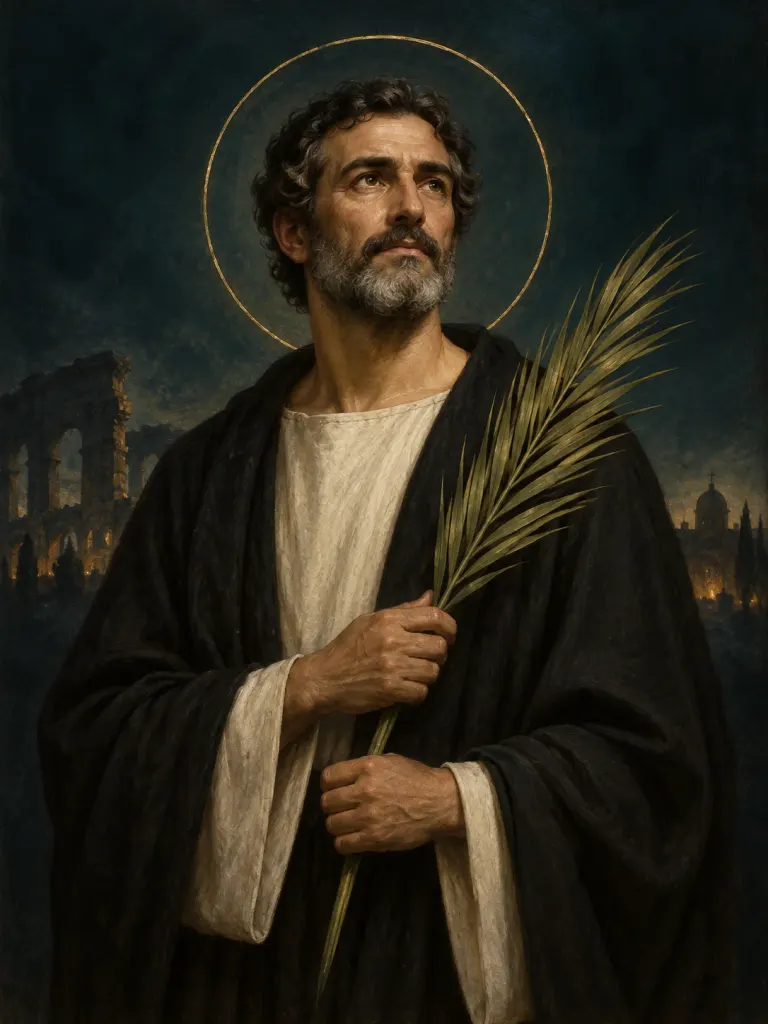
Biography
Perfectus, also called Perfecto or Parfait, was a Christian priest in Córdoba under Muslim rule. The account of his martyrdom describes a conversation in which he was asked to compare Christian and Islamic beliefs. His criticism of Muhammad subsequently led to denunciation, imprisonment, and a sentence of death.
The account presents him as a local minister drawn into a charged conversation, rather than a visiting missionary. It describes an initial assurance that he could answer freely, followed later by an accusation. This sequence is important to the Christian tradition's interpretation of his death.
His commemoration on April 18 spread beyond Córdoba; the Nominis account records observance in Paris. His memory belongs to a specific medieval conflict. It should not be used to assign collective responsibility to present-day Muslims or to turn an individual martyr's story into a caricature of another religion.
He was executed in 850 after maintaining his confession of faith in Christ. His story belongs to the history of the martyrs of Córdoba and to the difficult religious relationships of that period. Remembering the circumstances accurately requires acknowledging the dispute over his public religious statements, rather than replacing it with a generic account of missionary travel.
Context & contribution
A witness remembered across borders
Perfectus’s commemoration reached beyond the city where he died. Nominis records that the canons of Paris long celebrated a solemn Mass in his honor. That later reception shows how a local account of martyrdom could become part of another Christian community’s calendar and memory.
The movement of a feast is evidence about remembrance, not an independent confirmation of every reported exchange before an execution. In studying Perfectus, it is useful to distinguish the medieval conflict itself from what later worshippers chose to commemorate. His story should deepen attention to conscience and coercion without encouraging hostility toward neighbors of another faith.
Explore the sources for this section
AI-assisted source comparison updated 2026-09-26. Editorial approach
From the Saint Discovery blog
Keep exploring your faith
Practical guides to prayer, the saints, and living the Catholic faith.
Why Do Catholics Pray to Saints? Intercession Explained
Why do Catholics pray to saints? Learn how intercession differs from worship, how it relates to Jesus, and a simple way to ask a saint to pray for you.
A next step with your saintRead the article Living the seasonsHow to Celebrate Your Patron Saint's Feast Day at Home
Celebrate your patron saint's feast day with prayer, a short biography, and an act of kindness. A practical plan for families, sponsors, and individuals.
A next step with your saintRead the articleFrom reading to reflection
What will you carry with you?
After reading about St. Perfectus of Córdoba, take a moment to consider:
- What does a later liturgical commemoration establish about a saint’s reception, and what does it leave unproved about the original event?
These are reflection prompts from Saint Discovery, not quotations from the saint.
Sources and further reading
Biography source comparison recorded on . This is an AI-assisted comparison, not independent human or ecclesiastical approval.
What the recorded review covers
AI-assisted expansion using the linked historical and ecclesiastical sources; devotional traditions distinguished from documented history.
A source list helps you check an account; it does not establish that every claim is certain. Follow the biography’s qualifications about historical evidence, traditions and feast calendars.
Suggest a correction to this biography
How we research these pages and handle corrections · Directory corrections log
More lives to explore
Suggestions based on the site’s quiz themes, not a historical relationship or a measure of holiness.