Catholic saint biography
St. Paul the Apostle
- Commemoration:
- June 29
- Lived:
- First century — Tarsus, Cilicia
Why dates and liturgical observances can differ
Read the sources for this biography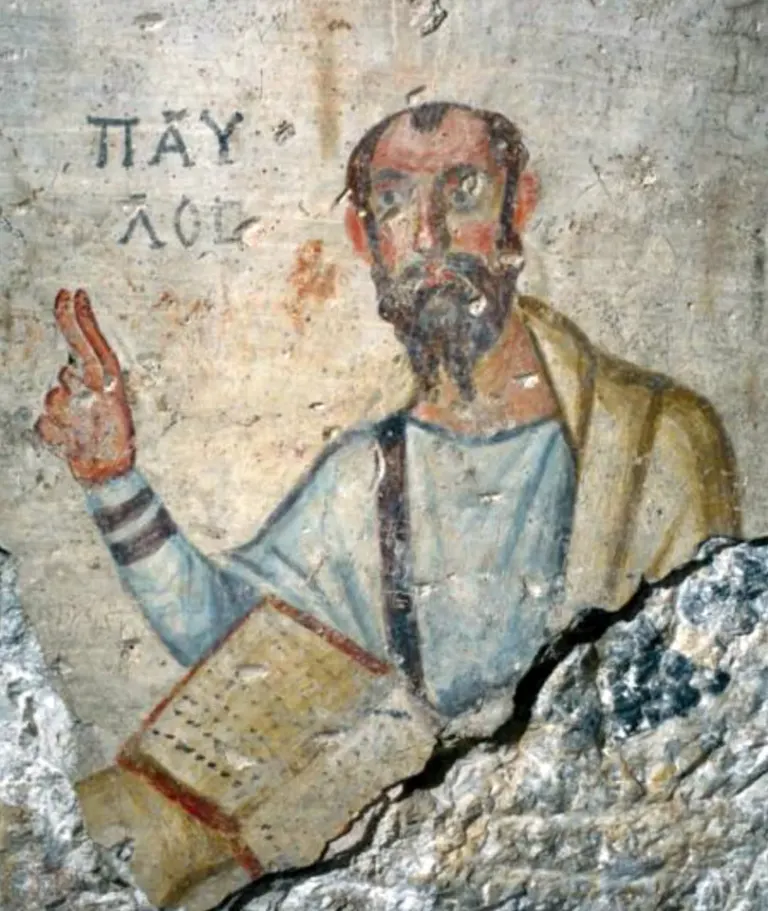
Biography
Paul was a Jewish Pharisee who initially persecuted the followers of Jesus. His encounter with Christ on the road to Damascus transformed his vocation. He became a missionary to the Gentiles, helping communities across the eastern Mediterranean understand the meaning of faith in Jesus and their place within the Church.
Born at Tarsus, Paul moved within Jewish, Greek-speaking, and Roman settings. Acts describes his training under Gamaliel and his work as a tentmaker. This combination of learning, manual labor, and travel shaped the practical conditions of his missionary life.
He did not work alone: Barnabas, Silas, Timothy, and many others shared the mission. Debate about the obligations of Gentile converts became a central question for the early Church. Paul's correspondence belongs to those real communities and disputes, rather than to an abstract system detached from pastoral life.
Acts 9 gives the transformation a communal dimension. After the encounter on the road, Saul is unable to see and must be led into Damascus. Ananias is asked to visit him despite knowing his reputation as a persecutor. The narrative presents baptism and welcome through a member of the very community he had threatened. His new vocation begins with dependence on others rather than immediate public authority.
Acceptance was not automatic. When he later tried to join the disciples in Jerusalem, they feared him and doubted that he had changed. Barnabas helped introduce him to the apostles and explained what had happened. These episodes show why trust and companionship mattered in Paul’s mission. The story involves the courage of Christians willing to receive a former enemy as well as the dramatic change in the enemy himself.
His letters preserve both theological teaching and the practical challenges of early Christian communities: division, worship, charity, suffering, and hope in the Resurrection. They form a substantial part of the New Testament. Christian tradition associates his final imprisonment and martyrdom with Rome. The Church celebrates him with Peter on June 29.
Context & contribution
Reading the journeys as a shared commission
Benedict XVI distinguishes Paul’s first missionary journey from the later ones: the initial mission was entrusted to Barnabas, with Paul accompanying him, and was sent from Antioch. This prevents the familiar map of Paul’s travels from suggesting an entirely independent enterprise. A local church and an experienced companion were part of the beginning.
The dispute over Gentile converts likewise shows that missionary success created questions requiring communal deliberation. Travel alone is not the central achievement. The journeys belong to the Church’s struggle to understand how people from different backgrounds could share life in Christ without making one culture the entrance requirement.
Explore the sources for this section
AI-assisted source comparison updated 2026-09-26. Editorial approach
From the Saint Discovery blog
Keep exploring your faith
Practical guides to prayer, the saints, and living the Catholic faith.
Why Is St. Thérèse the Patron Saint of Missions?
Why is St. Thérèse patron saint of missions? Discover her support for missionaries and practical ways to participate in the Church's mission from home.
Sharing the faithRead the article Everyday faithWhat Is Evangelization? A Catholic Guide to Sharing the Faith
What is evangelization? Learn the Catholic meaning, the new evangelization, and practical ways to share your faith with respect, confidence, and love.
Sharing the faithRead the articleFrom reading to reflection
What will you carry with you?
After reading about St. Paul the Apostle, take a moment to consider:
- When reading Acts 13–15, list the people and communities who make the mission possible besides Paul.
These are reflection prompts from Saint Discovery, not quotations from the saint.
Sources and further reading
Biography source comparison recorded on . This is an AI-assisted comparison, not independent human or ecclesiastical approval.
What the recorded review covers
AI-assisted expansion using the linked historical and ecclesiastical sources; devotional traditions distinguished from documented history.
A source list helps you check an account; it does not establish that every claim is certain. Follow the biography’s qualifications about historical evidence, traditions and feast calendars.
Suggest a correction to this biography
How we research these pages and handle corrections · Directory corrections log
More lives to explore
Suggestions based on the site’s quiz themes, not a historical relationship or a measure of holiness.