Catholic saint biography
St. Marcellinus, Pope
- Commemoration:
- April 26
- Lived:
- Died 304; pope from 296 — Rome
Traditional papal commemoration; April 6 belongs to Flavius Marcellinus, a different person.
Why dates and liturgical observances can differ
Read the sources for this biography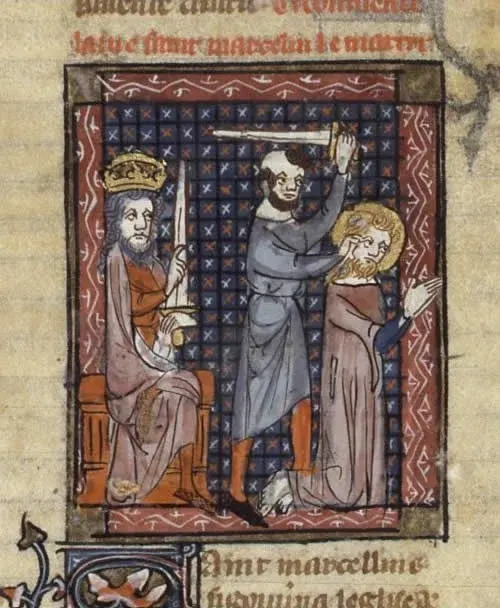
Biography
Marcellinus was bishop of Rome from 296 until 304, spanning the beginning of the persecution under Diocletian. The destruction of churches and pressure on Christians made this a dangerous period, but the surviving evidence does not provide a reliable narrative of his final actions or death.
A surviving inscription associates his pontificate with the creation of burial chambers in the cemetery of Callistus. Such evidence offers a small but concrete glimpse of ordinary church administration before confiscation and persecution disrupted the community. It is more secure than elaborate reconstructions of a final confrontation with imperial officials.
Later stories accused him of sacrificing to pagan gods and then repenting; other traditions presented a martyrdom. The Catholic Encyclopedia discusses the late and disputed character of this evidence rather than treating the stories as secure history. His burial and later veneration belong to Roman Christian memory. He must not be confused with Flavius Marcellinus, the imperial official commemorated on April 6.
The contrast between later accusations and later defenses is itself part of the history of his memory. Neither side can substitute for missing contemporary evidence. His name also resembles that of his successor Marcellus, another reason to separate persons and sources carefully when describing the Roman Church at the beginning of the fourth century.
Context & contribution
A fabricated council and the use of papal memory
The alleged acts of a council at Sinuessa claimed to describe a hearing into Marcellinus's supposed lapse. The Catholic Encyclopedia judges those acts spurious. Their narrative served later arguments about whether a council could judge the bishop of Rome, showing how a poorly documented pontificate could become material for another age's institutional controversy.
This is more specific than simply saying that legends accumulated. A story may be composed to establish a rule of authority as well as to praise or condemn a person. Marcellinus's case consequently calls for separating evidence about the early fourth century from the purposes of later writers who invoked his name.
Explore the sources for this section
AI-assisted source comparison updated 2026-09-26. Editorial approach
From the Saint Discovery blog
Keep exploring your faith
Practical guides to prayer, the saints, and living the Catholic faith.
Why Do Catholics Pray to Saints? Intercession Explained
Why do Catholics pray to saints? Learn how intercession differs from worship, how it relates to Jesus, and a simple way to ask a saint to pray for you.
A next step with your saintRead the article Living the seasonsHow to Celebrate Your Patron Saint's Feast Day at Home
Celebrate your patron saint's feast day with prayer, a short biography, and an act of kindness. A practical plan for families, sponsors, and individuals.
A next step with your saintRead the articleFrom reading to reflection
What will you carry with you?
After reading about St. Marcellinus, Pope, take a moment to consider:
- Identify the institutional claim advanced by the supposed Sinuessa council story; explain why a useful argument is not proof that its narrated event occurred.
These are reflection prompts from Saint Discovery, not quotations from the saint.
Sources and further reading
Biography source comparison recorded on . This is an AI-assisted comparison, not independent human or ecclesiastical approval.
What the recorded review covers
AI-assisted expansion of the existing source-reviewed biography with comparison to retrieved cited sources; not ecclesiastical approval
A source list helps you check an account; it does not establish that every claim is certain. Follow the biography’s qualifications about historical evidence, traditions and feast calendars.
Suggest a correction to this biography
How we research these pages and handle corrections · Directory corrections log
More lives to explore
Suggestions based on the site’s quiz themes, not a historical relationship or a measure of holiness.