Catholic saint biography
St. Helena
Saint Helena, also called Helen and known as Elena in Spanish, was the mother of Emperor Constantine. She supported Christian holy places and charitable work. Her Western commemoration is August 18.
- Commemoration:
- August 18
- Lived:
- About 250–about 330 — Possibly Drepanum, Bithynia
Western commemoration.
Why dates and liturgical observances can differ
Read the sources for this biography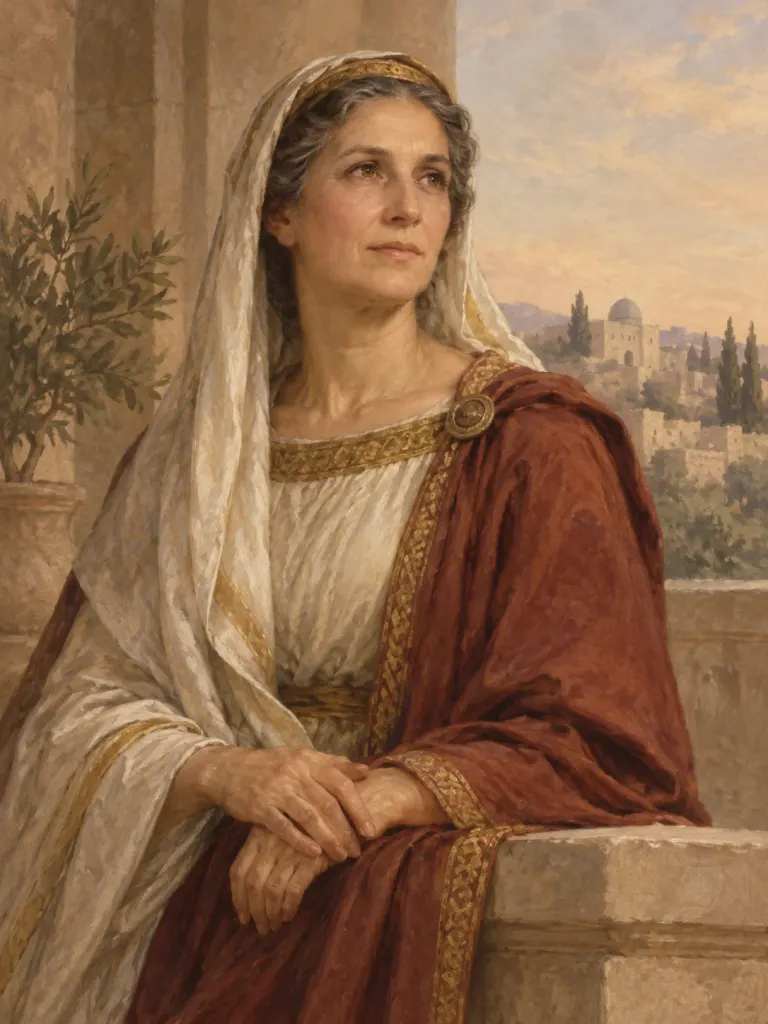
Helena: names, feast dates and the True Cross
Do Saint Helena, Saint Helen and Santa Elena refer to the same person?
They can refer to this saint: the fourth-century mother of Constantine. Vatican News calls her Helena in English and Elena in Spanish. Check that family connection when comparing pages; a similar first name alone does not establish the identity of a saint or a patronage.
Is Saint Helena's feast day August 18 or May 21?
Vatican News identifies August 18 as her Western commemoration and May 21 as her Eastern commemoration. These reflect different calendar traditions. Follow your own parish's calendar rather than assuming one date makes the other a mistake.
Did Saint Helena find the True Cross?
Christian tradition associates her with its discovery in Jerusalem. The evidence needs care: her pilgrimage and church patronage are recorded by Eusebius, while the discovery story developed in later accounts. Artwork of Helena holding a cross expresses that tradition; it is not contemporary documentation of the event.
These answers were compared with the linked sources on using AI assistance.
Biography
Helena was the mother of Emperor Constantine and a major Christian patron in the fourth century. Her journey to Palestine and sponsorship of churches helped shape the physical landscape of Christian pilgrimage.
Her early circumstances and exact birthplace are uncertain. Medieval stories making her a British princess lack a secure historical foundation. Constantine's rise brought her imperial honors and the resources to support religious and charitable work.
Eusebius records her pilgrimage and church building at Bethlehem and the Mount of Olives. These projects connected places associated with Jesus' life to public worship in the new circumstances created by imperial support for Christianity.
Later tradition associated her with finding the True Cross. That account is central to her iconography, but it must be distinguished from contemporary evidence about her buildings and philanthropy. Images showing Helena with a cross express this later devotional history. Her enduring importance lies both in her role within Constantine's family and in the use of imperial position to honor Christian holy places and assist people in need. The limits of the early evidence should remain visible alongside that legacy.
Context & contribution
Imperial status in coins and inscriptions
Helena's place in Constantine's public world can be studied through material evidence as well as written lives. Coins bearing her image and the imperial title Augusta presented her status to a broad audience. In Rome, inscriptions associated with the area of the Sessorian palace and the baths named for her offer another trace of imperial remembrance.
Such objects answer different questions from later accounts of discovering the Cross. A coin can establish how an empress was publicly represented; an inscription can connect her name to a location or honor. Neither automatically confirms a later miracle narrative. Read alongside Eusebius, these remains help place Helena within the visible institutions of the fourth-century empire.
Explore the sources for this section
AI-assisted source comparison updated 2026-09-26. Editorial approach
From the Saint Discovery blog
Keep exploring your faith
Practical guides to prayer, the saints, and living the Catholic faith.
Walking the Camino de Santiago: A Catholic Beginner’s Guide
Walking the Camino de Santiago? Explore its Catholic meaning, beginner routes, preparation tips, pilgrim credentials, and ways to pray along the journey.
Explore the pilgrim journeyRead the article Prayer & reflectionWhy Do Catholics Pray to Saints? Intercession Explained
Why do Catholics pray to saints? Learn how intercession differs from worship, how it relates to Jesus, and a simple way to ask a saint to pray for you.
A next step with your saintRead the articleFrom reading to reflection
What will you carry with you?
After reading about St. Helena, take a moment to consider:
- Compare a coin portrait of Helena with an image of her holding the Cross. Identify the different historical periods and claims represented by each.
These are reflection prompts from Saint Discovery, not quotations from the saint.
Sources and further reading
Biography source comparison recorded on . This is an AI-assisted comparison, not independent human or ecclesiastical approval.
What the recorded review covers
AI-assisted expansion checked against cited sources; historical traditions distinguished from documented evidence; not ecclesiastical approval
A source list helps you check an account; it does not establish that every claim is certain. Follow the biography’s qualifications about historical evidence, traditions and feast calendars.
Suggest a correction to this biography
How we research these pages and handle corrections · Directory corrections log
More lives to explore
Suggestions based on the site’s quiz themes, not a historical relationship or a measure of holiness.