Catholic saint biography
St. Leonard of Noblac
- Commemoration:
- November 6
- Patron Saint of:
- prisoners
- Lived:
- Traditionally sixth century; chronology unverified — Associated with the Limousin, France
Traditional feast November 6.
Why dates and liturgical observances can differ
Read the sources for this biography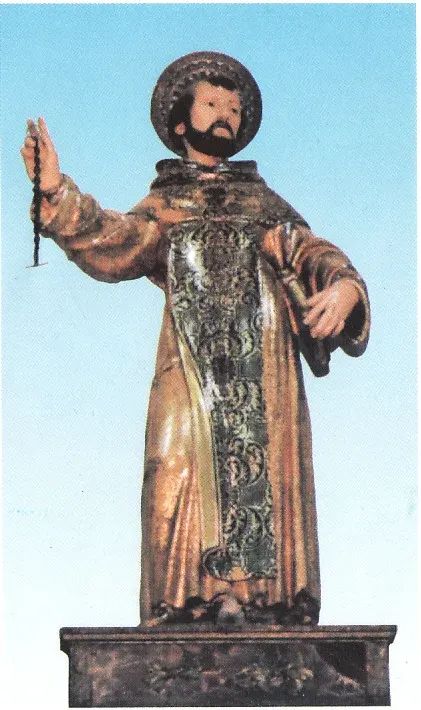
Biography
Leonard of Noblac is a saint of the Limousin whose medieval cult became widespread, particularly among prisoners and those seeking release from captivity. The surviving life, written centuries after the period in which he supposedly lived, portrays a Frankish nobleman who rejected honors and chose a solitary religious life near what became Saint-Léonard-de-Noblat.
Devotion spread especially from the eleventh century, many generations after the sixth-century setting assigned to his life. Churches dedicated to him appeared across western Europe. That expansion can be studied historically even though the story of his supposed relationship with Clovis remains uncertain.
Stories connect him with Clovis, the release of prisoners, and assistance during a royal childbirth. These details are legendary rather than secure evidence for a sixth-century biography. His medieval shrine and the devotion surrounding it are better established than his personal chronology. Chains in his imagery express the particular hope associated with his intercession: freedom for captives and compassionate concern for people deprived of liberty.
The chain motif makes his patronage visible in sculpture and painting. Captives and their families understood his shrine as a place of appeal and thanksgiving. Those practices explain why an otherwise obscure biography acquired such wide influence; they do not turn the late narrative into a contemporary record of a Frankish royal court.
Context & contribution
Evidence for devotion is not evidence for every legend
The Catholic Encyclopedia points to Inchenhofen in Bavaria as a particularly well-documented center of Leonard's later devotion, with thousands of recorded favors attributed to his intercession over several centuries. Such records show what petitioners sought and how a shrine understood answered prayer; they are not independent verification of each reported miracle.
Leonard's appeal also reached crusaders experiencing captivity. This helps explain the geographical spread of a saint whose supposed early life remains obscure. Travelers, prisoners, and those awaiting a relative's release could carry a devotion between regions. His medieval influence is consequently more accessible through the movement of people and petitions than through reconstructed conversations with Frankish kings.
Explore the sources for this section
AI-assisted source comparison updated 2026-09-26. Editorial approach
From the Saint Discovery blog
Keep exploring your faith
Practical guides to prayer, the saints, and living the Catholic faith.
Why Do Catholics Pray to Saints? Intercession Explained
Why do Catholics pray to saints? Learn how intercession differs from worship, how it relates to Jesus, and a simple way to ask a saint to pray for you.
A next step with your saintRead the article Living the seasonsHow to Celebrate Your Patron Saint's Feast Day at Home
Celebrate your patron saint's feast day with prayer, a short biography, and an act of kindness. A practical plan for families, sponsors, and individuals.
A next step with your saintRead the articleFrom reading to reflection
What will you carry with you?
After reading about St. Leonard of Noblac, take a moment to consider:
- Compare a shrine's register of favors with a contemporary biography; identify what each can establish about Leonard's history and the people who invoked him.
These are reflection prompts from Saint Discovery, not quotations from the saint.
Sources and further reading
Biography source comparison recorded on . This is an AI-assisted comparison, not independent human or ecclesiastical approval.
What the recorded review covers
AI-assisted expansion of the existing source-reviewed biography with comparison to retrieved cited sources; not ecclesiastical approval
A source list helps you check an account; it does not establish that every claim is certain. Follow the biography’s qualifications about historical evidence, traditions and feast calendars.
Suggest a correction to this biography
How we research these pages and handle corrections · Directory corrections log
More lives to explore
Suggestions based on the site’s quiz themes, not a historical relationship or a measure of holiness.