Catholic saint biography
St. Aidan of Lindisfarne
- Commemoration:
- August 31
- Lived:
- Died 651 — Ireland; Iona and Northumbria
August 31. Duplicate catalog identities retained for existing links.
Why dates and liturgical observances can differ
Read the sources for this biography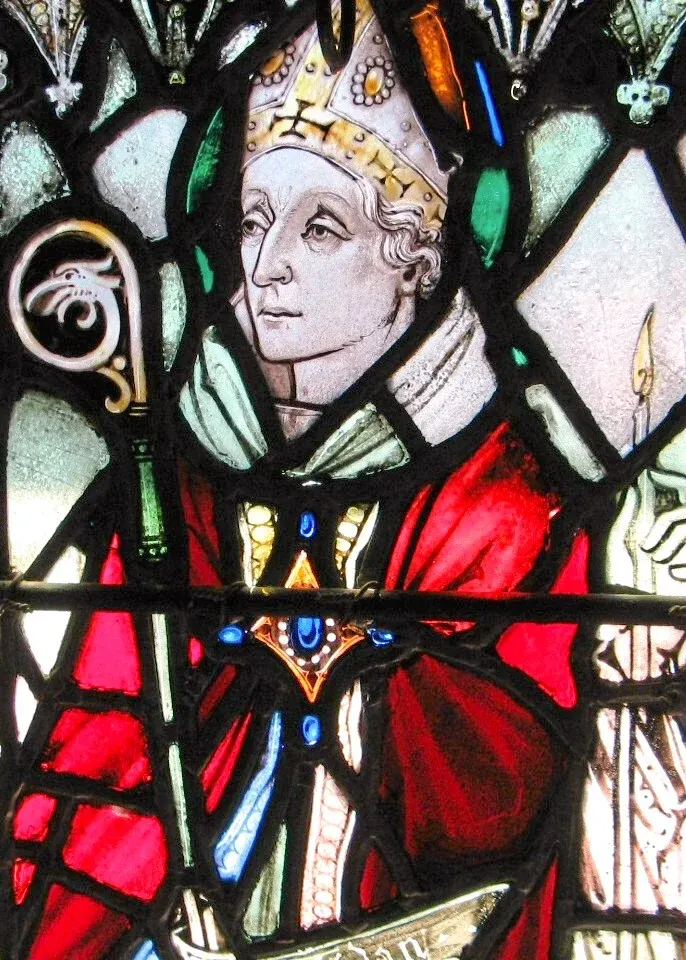
Biography
Aidan of Lindisfarne was an Irish monk and missionary bishop who helped establish Christianity in seventh-century Northumbria. Associated with Iona before his mission, he made Lindisfarne a center of monastic life, teaching, and evangelization.
King Oswald supported his work and helped provide the setting in which the mission could grow. Aidan became bishop in 635. The relationship between monastery and royal patronage was important, but the accounts emphasize his simplicity rather than the prestige of his connections.
Bede remembered him for gentleness, generosity, and the care he showed toward the poor. His reputation for biblical learning and patient teaching helped make Lindisfarne a place from which Christian scholarship and pastoral work could spread. His ministry was not simply a sequence of journeys: the monastery gave it a lasting institutional home.
Oswald died in 642, but Aidan continued his work until his own death near Bamburgh on August 31, 651. His remains were taken to Lindisfarne. His feast is August 31. The names Aidan and Aidan of Lindisfarne identify the same person here; a separate May commemoration should not be used to create another biography of this Northumbrian missionary.
Context & contribution
Remembering a missionary through another historian
Much of Aidan's reputation comes through Bede's assessment of his leadership. A later historian's admiration is valuable evidence for influence, but it is not the same as a surviving autobiography. It shows which qualities of the earlier mission remained important to subsequent English Christians: gentleness, disciplined conduct, and the work of a community of missionaries.
Oswald's death did not end Aidan's ministry. That continuity makes Lindisfarne's institutional role especially significant. Royal support helped the mission take root, yet the monastery and its bishop provided a continuing center when the political circumstances changed. Aidan's achievement can therefore be considered in terms of durability as well as the number of people initially reached.
Explore the sources for this section
AI-assisted source comparison updated 2026-09-26. Editorial approach
From the Saint Discovery blog
Keep exploring your faith
Practical guides to prayer, the saints, and living the Catholic faith.
What Is the Domestic Church? John Paul II on Faith at Home
What Catholics mean by the domestic church, how John Paul II explained family life, and practical ways to begin with prayer, forgiveness and welcome.
Bring reflection into prayerRead the article Prayer & reflectionHow to Make a Spiritual Communion When You Cannot Receive
Learn how to make a spiritual communion, with a short original prayer and clear guidance on Mass, Confession, and times when you cannot receive.
Bring reflection into prayerRead the articleFrom reading to reflection
What will you carry with you?
After reading about St. Aidan of Lindisfarne, take a moment to consider:
- Separate Aidan's royal support from the lasting structures of his mission. Which parts could survive the loss of a patron?
These are reflection prompts from Saint Discovery, not quotations from the saint.
Sources and further reading
Biography source comparison recorded on . This is an AI-assisted comparison, not independent human or ecclesiastical approval.
What the recorded review covers
AI-assisted expansion checked against retrieved historical and institutional sources; traditions distinguished from documented history; not ecclesiastical approval
A source list helps you check an account; it does not establish that every claim is certain. Follow the biography’s qualifications about historical evidence, traditions and feast calendars.
Suggest a correction to this biography
How we research these pages and handle corrections · Directory corrections log
More lives to explore
Suggestions based on the site’s quiz themes, not a historical relationship or a measure of holiness.