Catholic saint biography
St. William of Bourges
- Commemoration:
- January 10
- Lived:
- Twelfth century–1209 — France
Why dates and liturgical observances can differ
Read the sources for this biography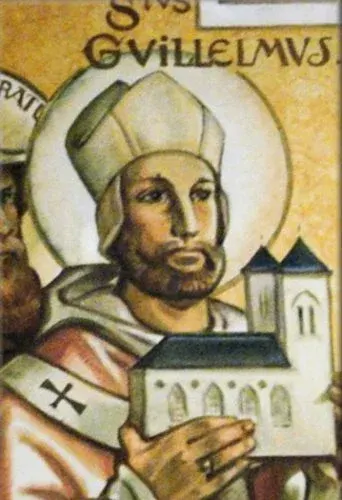
Biography
William of Bourges, also known as William du Donjon, was a monk and abbot before becoming archbishop of Bourges. His religious formation included Grandmont and the Cistercian community at Pontigny. He later led Chaalis, bringing experience of monastic discipline to the responsibilities of a bishop.
His early connections could have supported a comfortable ecclesiastical career, but he sought a more demanding religious life. Moving between communities reflected both that desire and the difficulties of institutional divisions. His eventual leadership rested on experience of life under a rule rather than rank alone.
Becoming archbishop exposed him to competing expectations. His attention to poor people could unsettle established interests, while criticism of royal conduct brought political tension. The traditional account emphasizes that he accepted the burden of office without treating its status as the goal of his vocation.
Accounts emphasize that he retained a simple way of life and showed particular concern for poor people, captives, and clergy. His pastoral priorities sometimes brought opposition from powerful interests. He died in 1209 and is commemorated on January 10. His story centers on carrying a contemplative vocation into public responsibility without abandoning practical charity.
Context & contribution
Austere living without an austere welcome
The account of William preserved by the French bishops' Nominis service places personal discipline alongside an unexpectedly cheerful temperament. It describes a sociable, approachable bishop whose joy did not fit everyone's expectation of how an austere religious leader should behave. It also recalls his care for clergy, prisoners, and people in poverty.
These details help separate two things that are easily confused: asking much of oneself and making other people feel unwelcome. William's movement from monastic life to the responsibilities of a bishop did not require abandoning simplicity, but it did place that simplicity at the service of others. His example offers a useful question about whether our religious practices make us more available or more difficult to approach.
Explore the sources for this section
AI-assisted source comparison updated 2026-09-26. Editorial approach
From the Saint Discovery blog
Keep exploring your faith
Practical guides to prayer, the saints, and living the Catholic faith.
What Is the Domestic Church? John Paul II on Faith at Home
What Catholics mean by the domestic church, how John Paul II explained family life, and practical ways to begin with prayer, forgiveness and welcome.
Bring reflection into prayerRead the article Prayer & reflectionHow to Make a Spiritual Communion When You Cannot Receive
Learn how to make a spiritual communion, with a short original prayer and clear guidance on Mass, Confession, and times when you cannot receive.
Bring reflection into prayerRead the articleFrom reading to reflection
What will you carry with you?
After reading about St. William of Bourges, take a moment to consider:
- Consider one spiritual discipline you practice. Does it help you respond warmly to an interruption or a person asking for help?
These are reflection prompts from Saint Discovery, not quotations from the saint.
Sources and further reading
Biography source comparison recorded on . This is an AI-assisted comparison, not independent human or ecclesiastical approval.
What the recorded review covers
AI-assisted expansion using the linked historical and ecclesiastical sources; devotional traditions distinguished from documented history.
A source list helps you check an account; it does not establish that every claim is certain. Follow the biography’s qualifications about historical evidence, traditions and feast calendars.
Suggest a correction to this biography
How we research these pages and handle corrections · Directory corrections log
More lives to explore
Suggestions based on the site’s quiz themes, not a historical relationship or a measure of holiness.