Catholic saint biography
St. Elizabeth, Mother of John the Baptist
- Commemoration:
- November 5
- Lived:
- Biblical figure, first century BC/AD — Judea
Traditional Western commemoration; Eastern calendars vary.
Why dates and liturgical observances can differ
Read the sources for this biography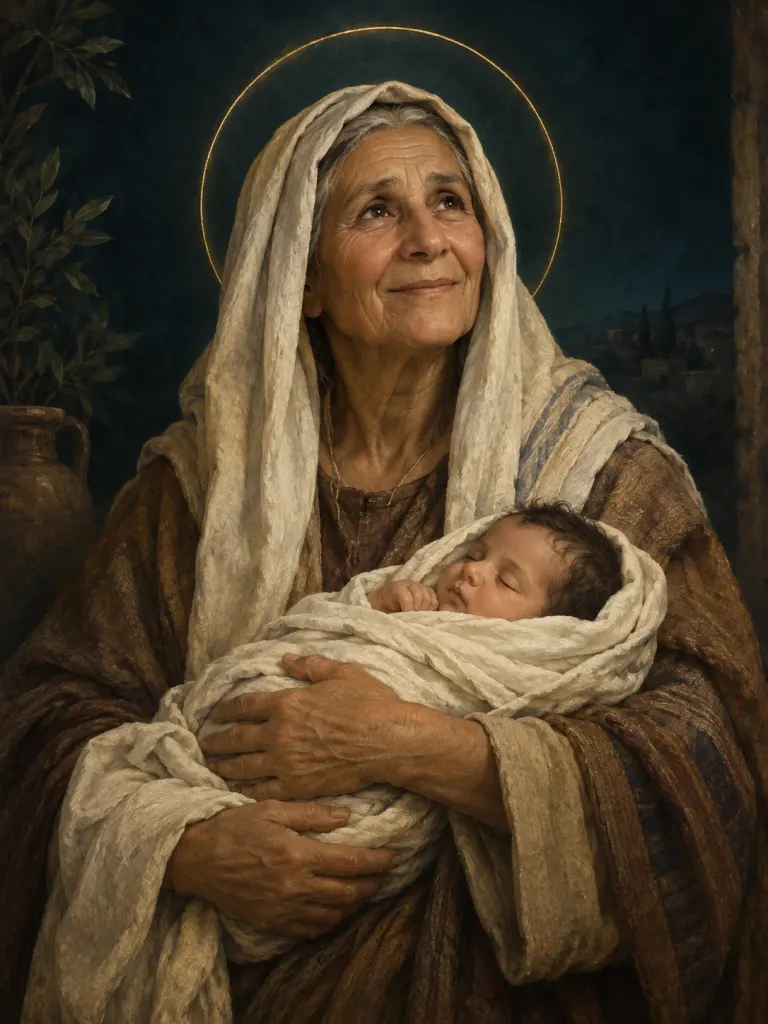
Biography
Elizabeth is the mother of John the Baptist and a relative of Mary in Luke's Gospel. Her story links the announcement of John's birth with the recognition of Jesus before either child has begun a public ministry.
Luke describes Elizabeth and her husband, the priest Zechariah, as righteous people advanced in years who have no child. Gabriel announces John's birth while Zechariah serves in the Temple. Elizabeth's pregnancy becomes part of the Gospel's account of God's unexpected action.
When Mary visits, Elizabeth recognizes her as the mother of her Lord. Filled with the Holy Spirit, she blesses Mary for believing the promise given to her. This exchange leads into Mary's song of praise, the Magnificat, and explains Elizabeth's prominence in scenes of the Visitation.
At John's naming, Elizabeth insists that he be called John rather than a family name. Luke does not specify exactly how she and Mary are related or tell the remainder of Elizabeth's life. Calling them cousins follows tradition rather than an explicit genealogical statement. Her traditional November 5 remembrance often includes Zechariah and centers on these biblical episodes.
Context & contribution
Recognition before public ministry
Elizabeth's words at the Visitation give her an interpretive role in Luke's account: she recognizes the significance of Mary's pregnancy before the public careers of either Jesus or John. Her blessing concerns Mary's trust as well as the child she carries, so the scene presents an exchange of religious understanding between two women.
The National Shrine's depictions of Elizabeth include the Rosary Garden and a chapel dedicated to her. These representations show how a brief scriptural narrative acquires a continuing life in architecture and communal prayer. They are evidence of her reception, not additional biographical episodes.
Explore the sources for this section
AI-assisted source comparison updated 2026-09-26. Editorial approach
From the Saint Discovery blog
Keep exploring your faith
Practical guides to prayer, the saints, and living the Catholic faith.
Why Is Saint Luke's Symbol an Ox? Meaning and Biblical Roots
Discover why Saint Luke's symbol is a winged ox, its biblical roots, and how the image connects his Gospel with priesthood and sacrifice.
Go deeper into ScriptureRead the article Prayer & reflectionHow to Pray the Jesus Prayer: A Catholic Beginner's Guide
Learn the Jesus Prayer, its Eastern Christian roots and biblical meaning, with a simple Catholic practice focused on Christ and mercy.
Go deeper into ScriptureRead the articleFrom reading to reflection
What will you carry with you?
After reading about St. Elizabeth, Mother of John the Baptist, take a moment to consider:
- Look at a depiction of the Visitation and identify how gesture conveys recognition. Compare the image with what Elizabeth actually says in Luke 1.
These are reflection prompts from Saint Discovery, not quotations from the saint.
Sources and further reading
Biography source comparison recorded on . This is an AI-assisted comparison, not independent human or ecclesiastical approval.
What the recorded review covers
AI-assisted expansion checked against cited sources; historical traditions distinguished from documented evidence; not ecclesiastical approval
A source list helps you check an account; it does not establish that every claim is certain. Follow the biography’s qualifications about historical evidence, traditions and feast calendars.
Suggest a correction to this biography
How we research these pages and handle corrections · Directory corrections log
More lives to explore
Suggestions based on the site’s quiz themes, not a historical relationship or a measure of holiness.