Catholic saint biography
St. Alphonsus Liguori
- Commemoration:
- August 1
- Patron Saint of:
- confessors and moral theologians
- Lived:
- 1696–1787 — Naples and southern Italy
Why dates and liturgical observances can differ
Read the sources for this biography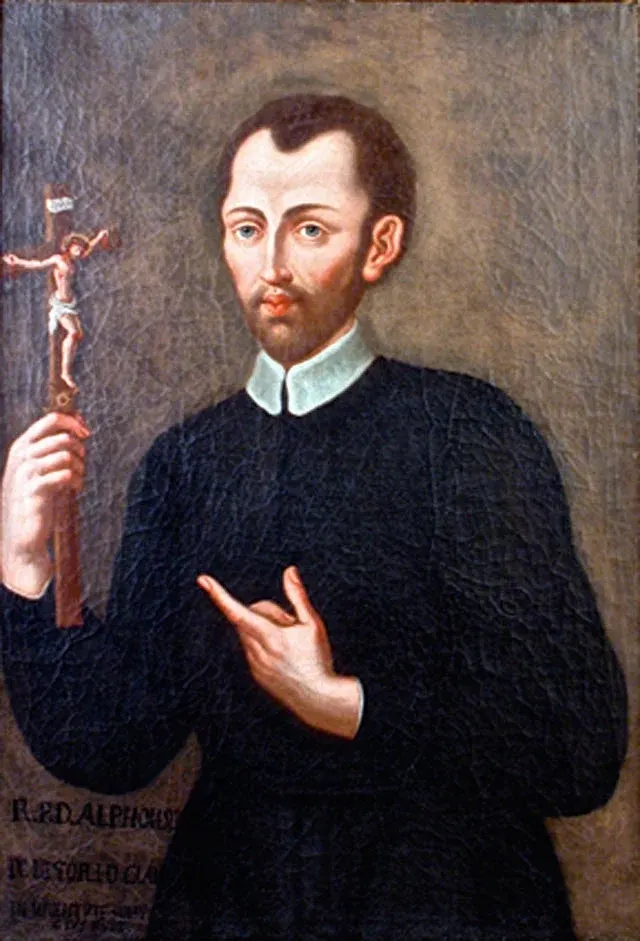
Biography
Alphonsus Liguori was a Neapolitan priest, founder, bishop, and writer whose ministry sought to make Christian teaching accessible to people with few educational or pastoral resources. Before becoming a priest, he trained and worked as a lawyer.
His legal ability opened the way to a prestigious career, but service to sick people and a developing religious vocation changed his direction. Ordained in 1726, he devoted himself to preaching and hearing confessions among the poor. Encounters with rural communities exposed needs that urban ministry alone could not meet.
He founded the congregation now known as the Redemptorists to sustain missionary preaching and formation among neglected populations. His work also included music, devotional writing, and moral theology. These different activities shared a concern for communicating faith in language that ordinary people could understand.
Alphonsus later served as bishop of Sant'Agata dei Goti. Canonized in 1839, he was declared a Doctor of the Church in 1871 in recognition of the significance of his teaching. His feast is August 1. Alphonsus Maria de Liguori is another form of his name, not a separate saint. His legacy combines scholarly reflection with the practical needs encountered in pastoral ministry.
Context & contribution
The evening chapels and the work of lay teachers
Before the Redemptorist missions, Alphonsus helped form small groups in Naples that met in houses and workshops for prayer and scriptural reflection. Lay catechists sustained these meetings with visits from priests. When the gatherings moved into chapels, they became known as the evening chapels.
The arrangement brought religious education into the rhythms and neighborhoods of working people. It also distributed responsibility: priests did not have to conduct every meeting for a community to learn and assist its members. Benedict XVI highlights this cooperation as a distinctive feature of Alphonsus's ministry. His accessibility was therefore an organizational choice as well as a quality of his writing and preaching.
Explore the sources for this section
AI-assisted source comparison updated 2026-09-26. Editorial approach
From the Saint Discovery blog
Keep exploring your faith
Practical guides to prayer, the saints, and living the Catholic faith.
Why Do Catholics Pray to Saints? Intercession Explained
Why do Catholics pray to saints? Learn how intercession differs from worship, how it relates to Jesus, and a simple way to ask a saint to pray for you.
A next step with your saintRead the article Living the seasonsHow to Celebrate Your Patron Saint's Feast Day at Home
Celebrate your patron saint's feast day with prayer, a short biography, and an act of kindness. A practical plan for families, sponsors, and individuals.
A next step with your saintRead the articleFrom reading to reflection
What will you carry with you?
After reading about St. Alphonsus Liguori, take a moment to consider:
- Sketch how one evening chapel could function through lay leadership and occasional priestly visits. What preparation would the catechists need?
These are reflection prompts from Saint Discovery, not quotations from the saint.
Sources and further reading
Biography source comparison recorded on . This is an AI-assisted comparison, not independent human or ecclesiastical approval.
What the recorded review covers
AI-assisted expansion checked against retrieved historical and institutional sources; traditions distinguished from documented history; not ecclesiastical approval
A source list helps you check an account; it does not establish that every claim is certain. Follow the biography’s qualifications about historical evidence, traditions and feast calendars.
Suggest a correction to this biography
How we research these pages and handle corrections · Directory corrections log
More lives to explore
Suggestions based on the site’s quiz themes, not a historical relationship or a measure of holiness.