Catholic saint biography
St. Alexius of Rome
- Commemoration:
- July 17
- Lived:
- Late antiquity; chronology uncertain — Edessa and Rome in the devotional tradition
Western commemoration recorded in the Catholic Encyclopedia.
Why dates and liturgical observances can differ
Read the sources for this biography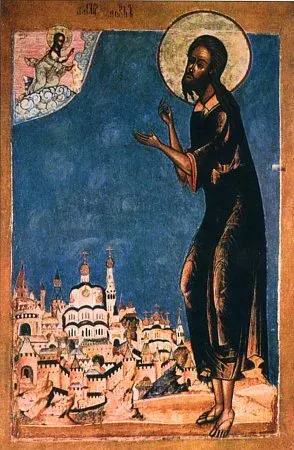
Biography
Alexius, also spelled Alexis, is associated with the Christian story of the Man of God of Edessa. His devotion spread from the Eastern Christian world to Rome and western Europe, where the account became an influential narrative of voluntary poverty and hidden holiness.
An early Syriac version describes a beggar at Edessa who shared alms with other poor people and revealed a Roman family background shortly before death. The Catholic Encyclopedia treats this earlier form as the starting point for understanding the story's later development.
The expanded legend makes Alexius the son of a wealthy Roman household. It describes his departure on his wedding night, years of poverty in Edessa, and return to Rome, where he lives unrecognized beneath his family's stairs. A document found after his death reveals his identity.
These moving episodes should be presented as the developed legend, not as a verified sequence of domestic events. The earlier account does not supply evidence for every detail of the later Roman story. Alexius's historical significance includes the enormous influence of this narrative on Christian ideals of renunciation, charity, and a holiness concealed from public recognition.
Context & contribution
A story carried by a bilingual monastery
The Roman reception of Alexius is connected with the Aventine community of Greek and Latin monks associated with Sergius of Damascus. The Catholic Encyclopedia explains his rising western popularity through this setting of shared worship and translated narrative. A story rooted in Syriac and Greek Christianity could thus become part of Rome's own religious landscape.
The monastery's association with an earlier institution caring for poor people also fitted the story's central figure: a beggar whose status remained hidden. Later frescoes at San Clemente show how the narrative entered visual culture. These monuments document the influence of Alexius's story, even when they cannot verify the family's staircase or other details of the developed legend.
Explore the sources for this section
AI-assisted source comparison updated 2026-09-26. Editorial approach
From the Saint Discovery blog
Keep exploring your faith
Practical guides to prayer, the saints, and living the Catholic faith.
Why Do Catholics Pray to Saints? Intercession Explained
Why do Catholics pray to saints? Learn how intercession differs from worship, how it relates to Jesus, and a simple way to ask a saint to pray for you.
A next step with your saintRead the article Living the seasonsHow to Celebrate Your Patron Saint's Feast Day at Home
Celebrate your patron saint's feast day with prayer, a short biography, and an act of kindness. A practical plan for families, sponsors, and individuals.
A next step with your saintRead the articleFrom reading to reflection
What will you carry with you?
After reading about St. Alexius of Rome, take a moment to consider:
- Trace Alexius's story from Syriac narrative to Greek and Latin monastic life and then to a fresco. What changes when a story moves between these forms?
These are reflection prompts from Saint Discovery, not quotations from the saint.
Sources and further reading
Biography source comparison recorded on . This is an AI-assisted comparison, not independent human or ecclesiastical approval.
What the recorded review covers
AI-assisted expansion checked against retrieved historical and institutional sources; traditions distinguished from documented history; not ecclesiastical approval
A source list helps you check an account; it does not establish that every claim is certain. Follow the biography’s qualifications about historical evidence, traditions and feast calendars.
Suggest a correction to this biography
How we research these pages and handle corrections · Directory corrections log
More lives to explore
Suggestions based on the site’s quiz themes, not a historical relationship or a measure of holiness.