Catholic saint biography
St. Emma of Lesum
- Commemoration:
- April 19
- Lived:
- About 982–1038 — Saxony, Germany
April 19 traditional commemoration; death anniversary December 3.
Why dates and liturgical observances can differ
Read the sources for this biography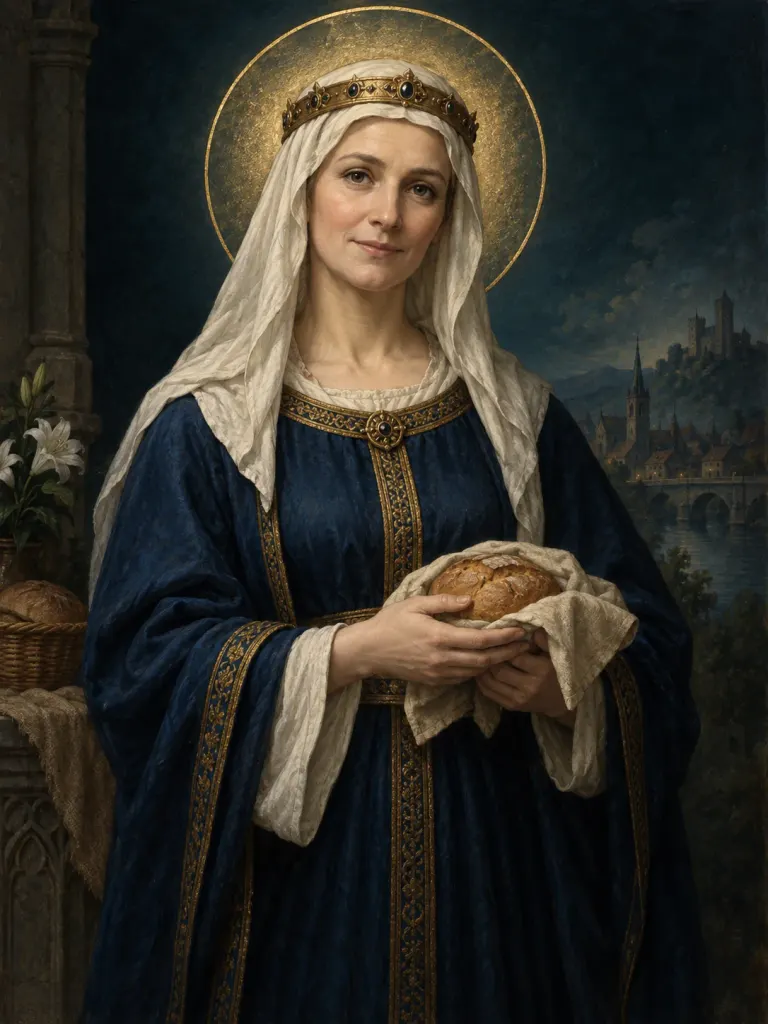
Biography
Emma of Lesum was a Saxon noblewoman remembered for church patronage and care for poor people. Her life illustrates how a medieval widow could use estates and family connections to support religious and charitable foundations.
She married Liudger of the Billung family. Their association with Stiepel enabled her to seek the foundation of a church dedicated to Mary. Approval was not immediate: the plan involved episcopal jurisdiction and negotiations with royal and ecclesiastical authorities.
The church was authorized in 1008 after imperial intervention and became a place of pilgrimage. After Liudger's death in 1011, Emma withdrew to Lesum near Bremen while continuing to administer her resources.
She made substantial donations connected with Bremen Cathedral and provided land that poor people could cultivate. These acts give her biography a more concrete shape than a general reputation for generosity: landholding, worship, and livelihood were closely connected. She died in 1038 and was buried at Bremen. Her usual commemoration is April 19. The surviving account chiefly preserves her activity as a benefactor; it does not support an elaborate narrative of her private thoughts or daily routines.
Context & contribution
Mediation made a foundation possible
Kunigunde's intervention with Henry II was important in securing permission for Emma's church at Stiepel. The Vatican account names Archbishop Heribert of Cologne as the authority who eventually approved the foundation. The project thus depended on negotiation among a noble benefactor, an empress, an emperor, and a bishop.
Emma later gave the church and property to Bremen's cathedral chapter. This transferred resources into a body that could sustain worship beyond her lifetime. Her legacy provides a concrete example of how medieval benefaction involved legal and administrative relationships as well as a donor's religious intention.
Explore the sources for this section
AI-assisted source comparison updated 2026-09-26. Editorial approach
From the Saint Discovery blog
Keep exploring your faith
Practical guides to prayer, the saints, and living the Catholic faith.
Why Do Catholics Pray to Saints? Intercession Explained
Why do Catholics pray to saints? Learn how intercession differs from worship, how it relates to Jesus, and a simple way to ask a saint to pray for you.
A next step with your saintRead the article Living the seasonsHow to Celebrate Your Patron Saint's Feast Day at Home
Celebrate your patron saint's feast day with prayer, a short biography, and an act of kindness. A practical plan for families, sponsors, and individuals.
A next step with your saintRead the articleFrom reading to reflection
What will you carry with you?
After reading about St. Emma of Lesum, take a moment to consider:
- Map the people whose agreement Emma's foundation required. Explain why possession of land alone did not resolve the question of founding a church.
These are reflection prompts from Saint Discovery, not quotations from the saint.
Sources and further reading
Biography source comparison recorded on . This is an AI-assisted comparison, not independent human or ecclesiastical approval.
What the recorded review covers
AI-assisted expansion checked against cited sources; historical traditions distinguished from documented evidence; not ecclesiastical approval
A source list helps you check an account; it does not establish that every claim is certain. Follow the biography’s qualifications about historical evidence, traditions and feast calendars.
Suggest a correction to this biography
How we research these pages and handle corrections · Directory corrections log
More lives to explore
Suggestions based on the site’s quiz themes, not a historical relationship or a measure of holiness.