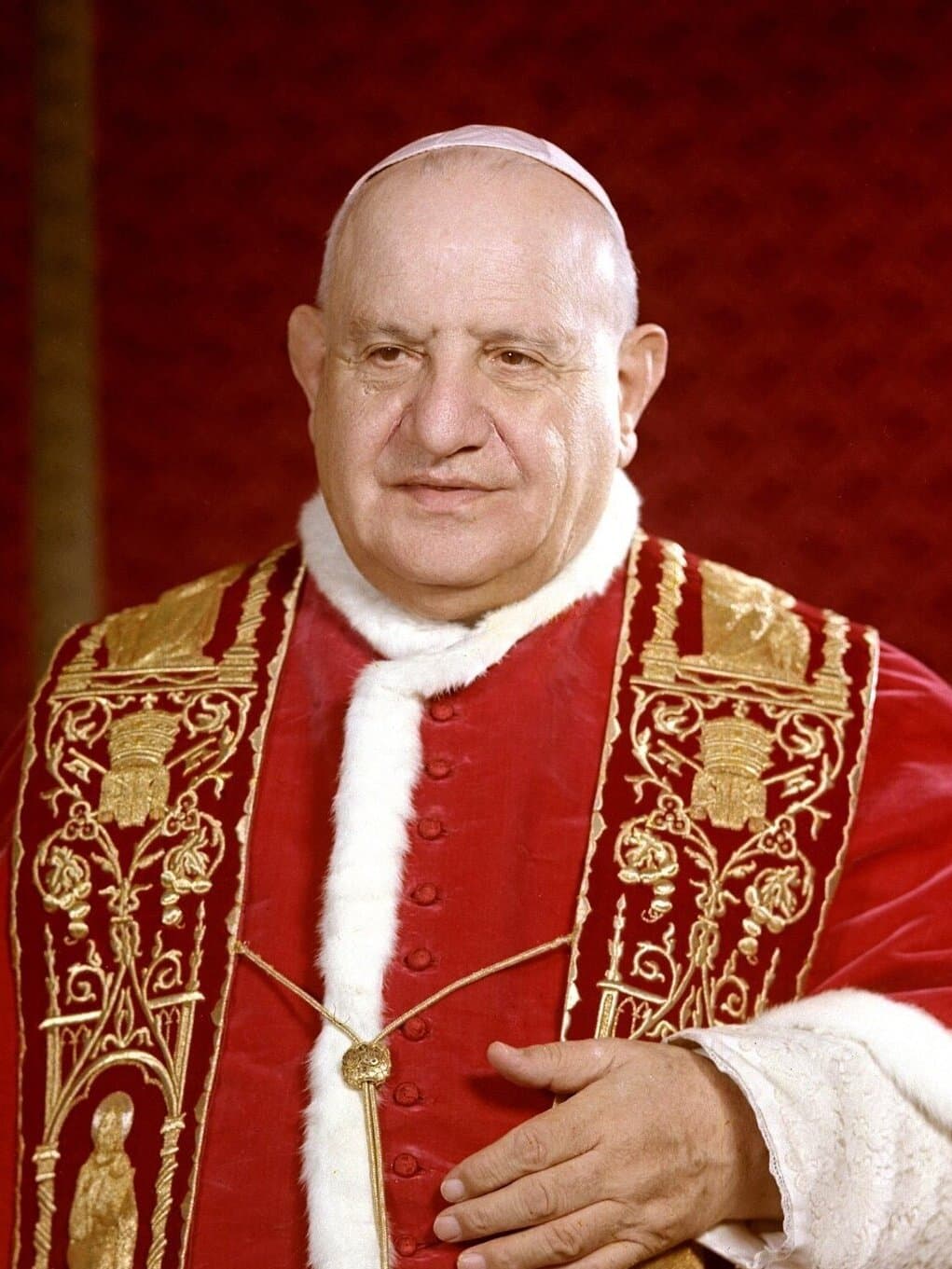
Saint John XXIII's feast day is October 11, the anniversary of his opening of the Second Vatican Council in 1962. The date draws attention to a defining act of his papacy: bringing the Church's bishops together to consider how to proclaim and live the Catholic faith in the contemporary world.
There is a useful distinction behind that familiar phrase “feast day.” In the General Roman Calendar, his celebration has the rank of an optional memorial, established by a Vatican decree in 2014. October 11 remains a date for remembering him, but the liturgy celebrated that day also depends on the calendar.
Why October 11 rather than June 3?
The Holy See's biographical profile of John XXIII records that he died on June 3, 1963. It also confirms his canonization on April 27, 2014. His annual memorial falls on neither of those dates.
Instead, October 11 recalls the opening of Vatican II. Pope Francis marked both John XXIII's memorial and the council's sixtieth anniversary in his October 11, 2022 homily. The connection helps explain why this date matters even to someone who knows little about the council.
A saint's calendar date can direct our attention to a particular part of that person's witness. In John XXIII's case, it invites us to consider how trust in God can coexist with the responsibility to face difficult questions.
What did John XXIII want Vatican II to do?
John XXIII explained his intentions in his opening address on October 11, 1962, available here in Spanish. He wanted Christian doctrine to be faithfully preserved and taught more effectively. He distinguished the substance of the faith from the ways it could be expressed, calling for a pastoral approach suited to the needs of the time.
In that same address, he emphasized mercy in the Church's response to error and rejected the assumption that the modern world offered only ruin. His confidence did not require pretending that problems were absent. It gave the council a hopeful starting point for serious work.
For a beginner, this is a better place to begin than a slogan about whether everything changed or nothing changed. Read what John actually asked for: fidelity, careful teaching and concern for the people who needed to hear it. Our guide to ecumenical councils supplies the broader background.
The saint behind the council
John XXIII was born Angelo Giuseppe Roncalli. Before becoming pope in 1958, he served as a priest, military chaplain and papal diplomat, and as patriarch of Venice. The Vatican biography describes his respectful relationships with other Christian communities, practical assistance during hardship, and sustained prayer.
Those details give his public work a human setting. A council did not arise from an abstract interest in meetings. He brought experience of ministry, difficult relationships and people's needs to the responsibility he had been given.
At his canonization in 2014, Pope Francis highlighted John XXIII's openness to the Holy Spirit in convening the council. That is a spiritual way to remember him: as someone willing to be led while carrying a demanding responsibility. You can explore his life further in our Saint John XXIII biography.
What happens on October 11 in 2026?
October 11, 2026 falls on a Sunday. The USCCB's 2026 liturgical calendar lists that date as the Twenty-eighth Sunday in Ordinary Time. Readers following the usual U.S. Roman calendar should therefore expect the Sunday liturgy, rather than the optional memorial of John XXIII.
This does not prevent learning about him or asking for his intercession at home. It means that a date on a saints calendar and the celebration at your parish are not always identical. Follow your parish's liturgical calendar, especially where a local observance applies. Our explanation of solemnities, feasts and memorials can help make those distinctions clearer.
Three ways to learn from him this week
Begin with a small reading. Choose one section of the opening address or the canonization homily. Write down what it says before deciding what you think about it. If a phrase is unfamiliar, bring the question to a catechist or someone who can help you read it in context.
Next, consider a conversation in which you need both clarity and patience. Perhaps someone has asked why you believe something, or a disagreement has become personal. Prepare a brief, honest explanation and one sincere question. Listening carefully can help you understand what the other person is actually asking.
Finally, choose a concrete act of care. Visit someone who feels isolated, assist with a parish task, or make time for a person you usually rush past. These are suggestions for reflection, not actions John XXIII prescribed for his memorial. They help connect learning about a saint with the people already entrusted to your attention.
An original prayer inspired by Saint John XXIII
The following prayer is original to Saint Discovery.
Lord Jesus, help us remain faithful when the questions before us are difficult. Give us patience to listen, courage to speak truthfully, and mercy toward those we struggle to understand. Through Saint John XXIII's intercession, guide our pastors and teach us to serve with hope. Amen.
Artwork source
The cover is a portrait of Pope John XXIII attributed to Fotografia Felici, probably made between about 1959 and 1962. The Wikimedia Commons file page identifies the photograph as public domain in Italy and the United States. This version was cropped by Commons contributors.
