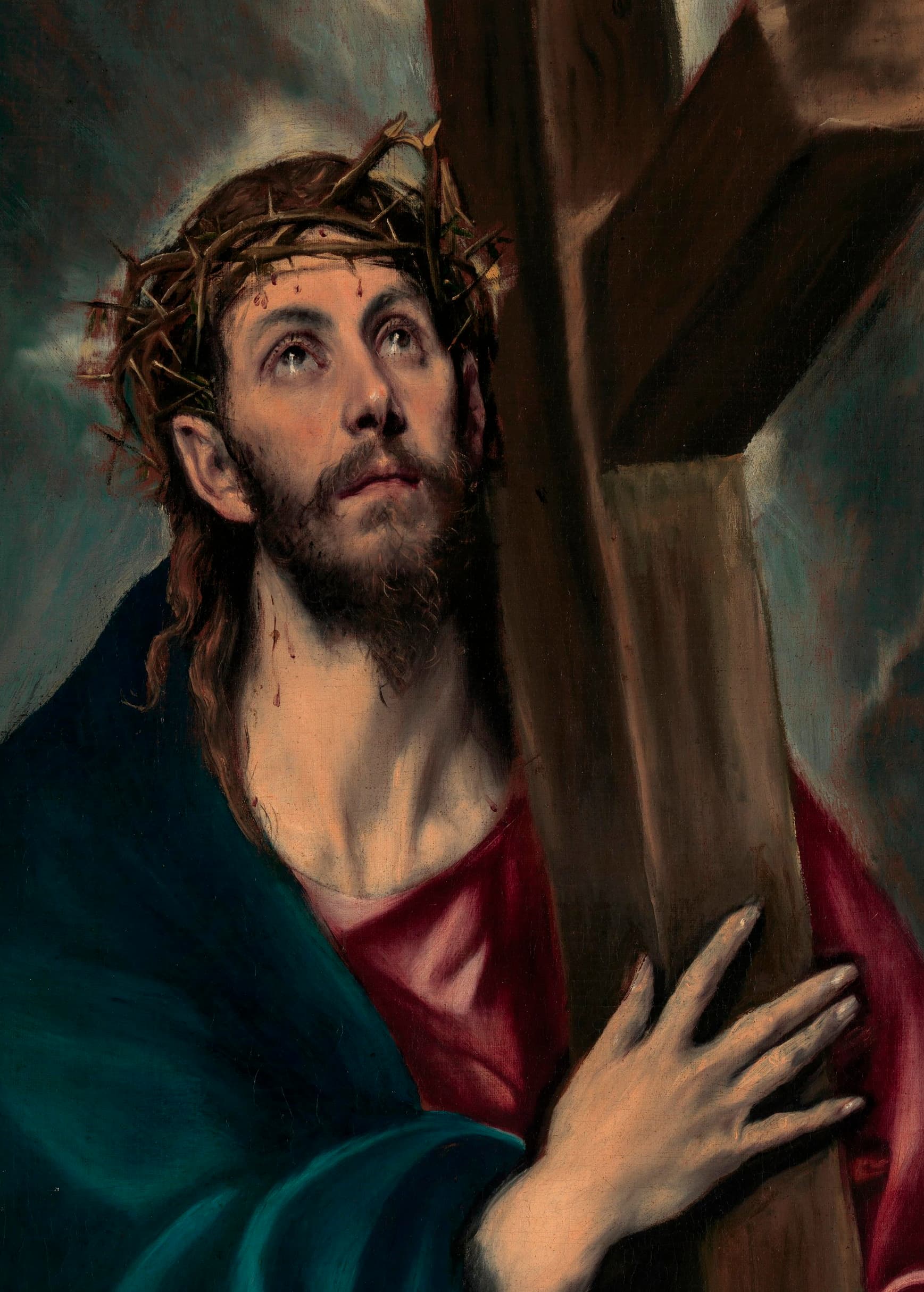
Redemptive suffering is the Catholic understanding that suffering freely united to Jesus Christ can become a participation in his saving love and a prayer for others. Its spiritual value comes from Christ, who invites us to share in his life. The Catechism explains this participation in paragraph 618.
If you have heard someone say “offer it up,” you may have wondered what that actually means. How do you pray through grief, illness, loneliness, or an exhausting season? And can you offer suffering while still asking for it to end?
These questions deserve patient answers, especially when suffering is something you are living through today.
Why do Catholics unite suffering to Jesus?
Christian faith begins with Jesus, who entered human suffering and overcame death through his Resurrection. His Cross is the unique sacrifice that reconciles humanity with God. We cannot purchase salvation with our pain or become independent saviors. Yet Jesus allows those who receive his grace to participate in his self-giving love. That is the foundation of the Catechism’s teaching on sharing in Christ’s sacrifice.
This makes “offering it up” an invitation to relationship. A person can turn toward Jesus within an experience they would never have chosen, asking him to receive their prayer and help them love.
What does Colossians 1:24 mean?
In Colossians 1:24, Saint Paul describes his sufferings for the Church as completing what is lacking in Christ’s afflictions. At first, that can sound as though Jesus did not accomplish enough.
Saint John Paul II addresses this directly in section 24 of Salvifici Doloris. Christ’s redemption is complete; its saving power has no deficiency for us to repair. Paul is describing participation within Christ’s Body, the Church. Jesus opens his redemptive love to the lives of his members, including their suffering. Read John Paul II’s explanation of Colossians 1:24.
Does redemptive suffering mean pain is good?
Pain does not become desirable simply because someone can meet God within it. The U.S. bishops explain that Christian faith does not ask people to seek suffering for its own sake. Their teaching places solidarity with suffering people alongside hope in Christ. See Called to Compassion and Responsibility.
Another mistake is assuming every illness or loss is punishment for personal sin. In section 11 of Salvifici Doloris, John Paul II points to Job’s innocent suffering to reject that blanket explanation. We should be especially careful about assigning a spiritual explanation to someone else’s tragedy. Read the discussion of Job.
Can Catholics seek treatment and pain relief?
Yes. Catholic teaching supports caring for the sick and relieving suffering. The Catechism explicitly recognizes the moral use of pain relief and describes palliative care as an expression of charity. Seeking appropriate medical care, mental health support, rest, or help from others is compatible with offering your difficulties to God. See Catechism 2279.
Nor does carrying a cross mean remaining in danger. The U.S. bishops explicitly teach that a person is not expected to remain in an abusive marriage. Religious language must never become a reason to excuse abuse or prevent someone from seeking safety. See When I Call for Help.
Does feeling frightened mean I am failing to trust God?
Look at Jesus in Gethsemane. In Mark 14:32–42, he expresses deep sorrow, asks his companions to remain with him, and prays for the cup to pass while entrusting himself to the Father. The passage does not present trust as emotional numbness. Nor does it make asking for companionship a sign of weakness.
For personal prayer, this offers an alternative to judging how spiritually successful your suffering feels. You might name your fear before trying to explain it: “I am afraid of what tomorrow will bring.” Then ask for what you need today: strength for a conversation, rest, or someone to sit beside you. These are suggested words, not a required prayer. There is no need to produce an inspiring account of your illness or grief for other people.
What does this teaching ask of caregivers?
John Paul II ends his reflection by turning to the Good Samaritan. The person who encounters suffering must respond with help that actually serves the injured person. That responsibility belongs within the Christian meaning of suffering, not outside it. See Salvifici Doloris, sections 28–30.
Imagine visiting a friend exhausted by treatment. Before offering a devotional explanation, ask whether they want conversation, quiet company, or practical help. If they want prayer, keep it within what they can bear. If they need a ride or someone to coordinate meals, help arrange it. Do not pressure them to refuse relief or describe their pain as a gift they should appreciate. Their freedom to offer suffering to Christ does not give anyone else permission to prolong it.
The same distinction protects people experiencing abuse. Forgiveness, prayer, and patience must never be used to demand continued exposure to violence or coercion. The bishops' pastoral response to domestic violence explicitly rejects requiring someone to stay in an abusive marriage. Seeking safety is compatible with faith.
How to offer up suffering in everyday life
The following suggestions are a starting point for personal prayer, not a formula you must perform perfectly.
1. Tell God what is happening
Begin with an honest sentence: “Lord, I am frightened about this appointment,” or “I miss someone I love.” You do not need to make the situation sound easier than it is. The Church’s prayer includes lament: the USCCB’s Prayer in Times of Suffering and Need includes Job’s expression of anguish alongside a request for God’s help.
2. Make a simple offering
Try your own words: “Jesus, I unite this difficult day to your Cross. Please help me carry it with you.” Keep the prayer short enough to remember when you are tired. You can repeat it later or sit quietly without adding anything.
3. Choose an intention
You might pray for a grieving friend, someone preparing for Baptism, or people who feel forgotten. Naming a person can help you direct your attention toward love. You do not need to calculate how much suffering equals a particular answer to prayer.
4. Accept the next available help
Make the appointment, tell a trusted person what you need, or accept an offered meal. If all you can manage today is one small request, begin there. You can bring that step into prayer too: “Help me receive this kindness.”
5. Keep the practice gentle
Consider attaching your offering to an existing moment, such as your morning prayer. If you miss it, simply begin again. Our daily prayer guide for busy Catholics can help you find a manageable rhythm without adding a long spiritual checklist.
How do the sacraments help during suffering?
Ask your parish about pastoral support when serious illness affects you or someone you love. Anointing of the Sick is not reserved only for a person’s final moments. Through the ministry of a priest, the sacrament brings Christ’s healing grace; physical recovery is not guaranteed. The USCCB explains Anointing of the Sick.
For a wider introduction to sacramental life, read our guide to the seven Catholic sacraments.
Common questions about redemptive suffering
Can I offer suffering and still pray for healing?
Yes. The Church’s own prayer for people in suffering and need asks for help and comfort. Honest prayer can hold both trust and a desire for relief. You do not have to pretend you want the painful situation to continue.
What should I say to someone who is suffering?
Start by listening. “I am here” or “May I bring dinner?” may be more helpful than an explanation. The bishops’ reflection on the Good Samaritan and care for the sick emphasizes accompanying vulnerable people and providing care. Ask permission before offering spiritual advice; “offer it up” should never end a conversation someone needs to have.
What if I feel too overwhelmed to pray?
You might ask a trusted friend or your parish to pray with you. A simple request for help is a place to begin. If a longer devotion feels possible later, our guide to Divine Mercy introduces a prayer centered on trusting Jesus’ mercy.
An original prayer for offering suffering
Jesus, you know the burden I carry today. Receive it within your love, and hear my prayer for those who need you. Give me courage to ask for help, patience with my limits, and compassion for others. Bring healing where it is needed, and stay close when I cannot find words. Amen.