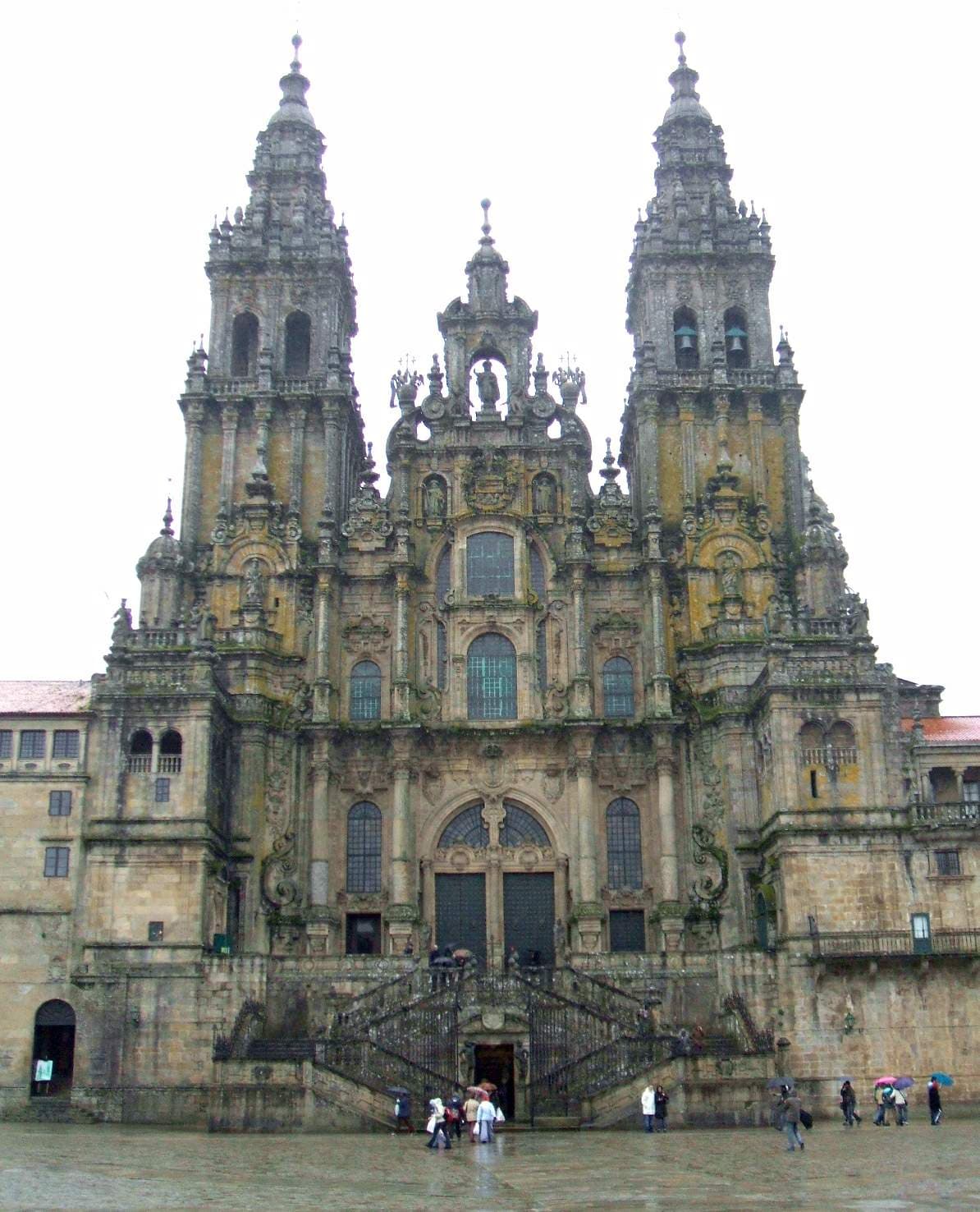
Walking the Camino de Santiago is a pilgrimage along historic routes leading to Santiago de Compostela in northwestern Spain. For Catholics, its destination is the cathedral associated with Saint James the Greater, one of Jesus’ apostles. The journey brings together physical effort, prayer, hospitality, and the invitation to follow Christ more closely.
You do not need to begin with a month away from home. A shorter route can provide time to pray and experience pilgrim life. This guide explains what the Camino is, how to choose a starting point, how to prepare, and what to know about the pilgrim certificate.
What is the Camino de Santiago?
The Camino de Santiago, also called the Way of Saint James, is a network of pilgrimage routes. Its Christian history centers on the tomb traditionally identified as that of Saint James in Compostela. Pilgrimage developed around the shrine during the Middle Ages and connected communities across Europe. Galicia’s official tourism website explains the origins and development of the Camino.
The word “Camino” means “way” or “path.” That makes a fitting starting point for prayer: Where am I going, and what is shaping the way I live? You might carry gratitude for a blessing, grief after a loss, a question about your vocation, or the desire to begin again with God.
Why do Catholics walk the Camino?
A Catholic pilgrimage is a journey toward a sacred place with an intention of faith. Walking creates space to turn that intention into something concrete: setting aside distractions, accepting hospitality, asking forgiveness, and praying for others.
The Cathedral’s Pilgrim Office recommends spiritual preparation before departure, including reflection on your reasons for going and conversation with your parish priest. You can also ask about receiving a pilgrim blessing.
You do not have to feel holy every mile. Tiredness, boredom, unexpected kindness, and ordinary conversations can all become occasions for prayer. The goal is openness to God, rather than manufacturing a dramatic experience. Walking a certain distance does not purchase God’s love or replace the sacraments.
Which Camino route should a beginner choose?
Begin with the time you actually have and the distance you can comfortably walk on consecutive days. Then compare terrain, accommodation, transport, and the space you want for rest and prayer.
Sarria to Santiago on the Camino Francés
Starting in Sarria lets you walk the final portion of the French Way through places including Portomarín, Palas de Rei, and Arzúa. Use the official French Way guide to examine stages and services. This is a practical option to investigate when you want a shorter pilgrimage that reaches Santiago. “Shorter” still involves repeated days of walking, climbs, and descents.
Tui to Santiago on the Camino Portugués
The inland Portuguese Way from Tui offers another manageable starting point to research. Galicia’s official Portuguese Way guide lists its Galician route at approximately 119 kilometers. Tui is in Spain, beside the Portuguese border; starting there is different from walking all the way from Porto or Lisbon.
How many days should you allow?
For these shorter options, consider roughly a week of walking as a planning starting point, then adjust your stages to your abilities. That is a suggested approach, not a required itinerary. Add travel days and time in Santiago separately. If your practice walks suggest shorter daily distances, give yourself more days rather than making every stage a deadline.
How to prepare for walking the Camino
Start preparing well before departure. Build up your walks gradually, try your intended footwear, and practice carrying the bag you will use. Galicia’s physical preparation guidance emphasizes advance training, comfortable footwear, a light backpack, and regular breaks.
Choose your itinerary after learning how you recover between walks. Leave room to stop earlier or rest. Physical limits deserve respect; pushing through an injury is not a test of faith.
Pack for your route and season. Think in essentials: identification, credential, comfortable walking clothes, rain protection, water bottle, sun protection, phone and charger, personal medication, and necessary overnight items. Check what your accommodation supplies before packing bedding. The official equipment guide is a useful starting point; adapt it to your own needs.
Before booking, compare weather conditions and accommodation availability for your dates. Budget for travel, overnight stays, food, laundry, and unexpected changes. Avoid planning around a daily spending figure that leaves no room for a different bed or an extra night.
The pilgrim credential and Compostela explained
The credencial is the document you carry and stamp along the route. Obtain one recognized by the Cathedral; its credential guide explains authorized sources and the document’s purpose. The Compostela is the certificate issued after a qualifying pilgrimage.
As checked in September 2026, the Pilgrim Office’s requirements specify at least 100 continuous kilometers on a recognized route for walking pilgrims, including the final stage into Santiago. The certificate has a Christian religious purpose. For a straightforward first pilgrimage from Sarria or Tui, plan to walk the qualifying route continuously into Santiago.
If walking only the minimum qualifying distance, obtain dated stamps at both the start and end of each stage, including the next stage’s starting stamp even when it is the same place as the previous evening. Special provisions exist for routes begun outside Spain and exceptional circumstances; confirm those directly with the office before relying on them. Recheck requirements before departure.
A practical way to test your itinerary
Try this original planning exercise before booking: imagine an intended stage of 20 kilometers and divide it into the villages shown on the official route map. Where could you stop after 10 or 15 kilometers if needed? Where will you obtain food and water? Which overnight stop can you actually reach at the pace you have demonstrated on consecutive practice walks? A stage described as “one day” in someone else's itinerary may need two days in yours.
Check each accommodation's own booking policy, check-in deadline, bedding arrangements, and seasonal opening dates. Do not assume that every place called an albergue has the same facilities or reservation rules. Keep the address and contact details available offline. If arriving late after a flight or train, an agreed first-night bed removes one avoidable uncertainty before the walking begins.
Must the qualifying walk be completed without rest days?
The Pilgrim Office allows the route to be completed in stages in chronological and geographical order. “Continuous kilometers” should not be read as a command to walk every day without resting. What matters is the qualifying route and evidence of the stages completed. Keep dated stamps and ask the office in advance about an unusual itinerary or interruption rather than assuming a transport journey counts as walked distance.
Is the Compostela the same as a distance certificate?
No. The Cathedral issues the Compostela free of charge. Its separate, optional Certificate of Distance records details such as starting point, dates, route, and distance, and carries a fee. You do not need to buy that extra document to make the religious pilgrimage meaningful.
Leave some flexibility between arriving in Santiago and departing for home. The Pilgrim Office warns that high demand can prevent same-day collection. A tightly booked departure can turn the final hours into a queue-management problem just when you hoped to pray and give thanks.
A simple prayer rhythm for the Camino
Begin the morning by naming one intention: a person, a need, or something for which you are grateful. Read a short Gospel passage before setting out. During a quiet stretch, reflect on one phrase rather than trying to solve every question in your life.
When you stop, notice the people around you. Listening patiently, making room at a table, and respecting someone’s need for silence are practical expressions of charity. In the evening, ask: Where did I receive help? Where did I resist love? What can I entrust to God tonight?
Our Catholic prayer guide for beginners can help you prepare. You could also bring a rosary and use our explanation of what the Rosary is and why Catholics pray it.
Arriving at Santiago Cathedral
Allow time for worship as well as photographs. Consult the Cathedral’s Mass and confession information before arriving, and arrange somewhere to leave your backpack: the Cathedral says backpacks are not permitted inside.
The famous Botafumeiro is a large liturgical censer. Do not assume it will operate at the Mass you attend. Check arrangements directly with the Cathedral, and let prayer remain the center of your visit.
Questions about walking the Camino
Do you have to be Catholic to walk the Camino?
No. People approach the routes with different beliefs and reasons for walking. Respect the churches and communities you visit. Walking the route and qualifying for the Cathedral’s religious certificate are separate questions.
Can a shorter pilgrimage still be meaningful?
Yes. The value of your prayer is not measured by a certificate or the distance someone else walked. Choose an accessible journey suited to your circumstances, whether that means part of the Camino or a pilgrimage closer to home.
How do you keep the Camino alive after returning home?
Choose one practice to continue: a morning offering, a weekly walk without headphones, or a regular act of service. Our daily prayer routine for busy Catholics offers a starting point. The next faithful step may be waiting in your own parish, workplace, or family.