Catholic saint biography
St. Zita
- Commemoration:
- April 27
- Lived:
- Thirteenth century; died 1278 — Lucca, Italy
Why dates and liturgical observances can differ
Read the sources for this biography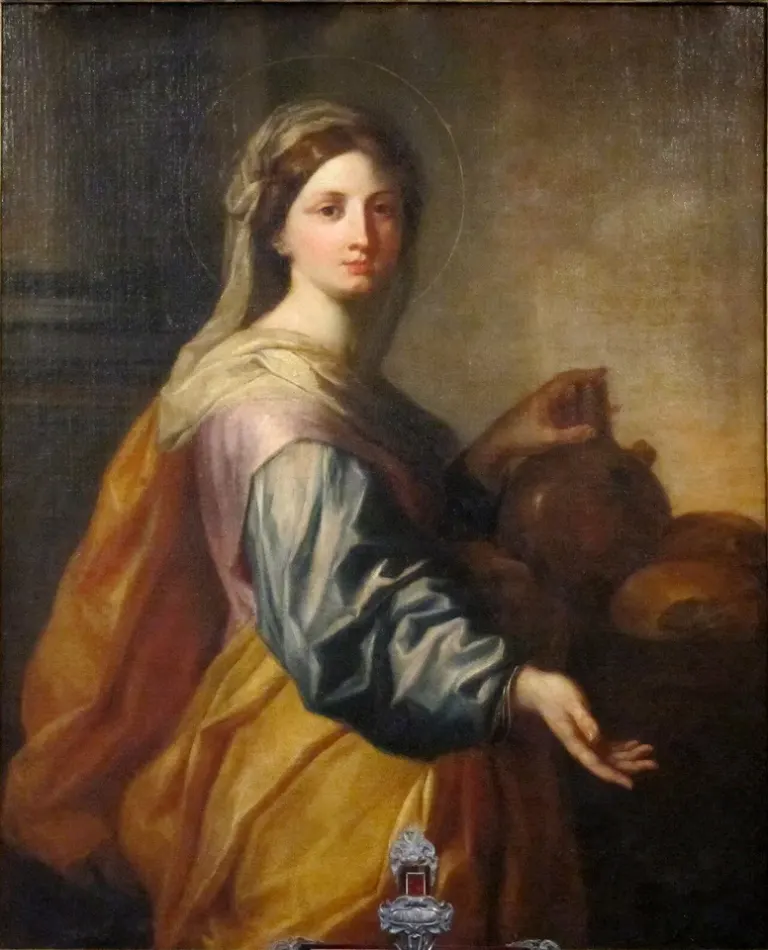
Biography
Zita spent her life in domestic service in Lucca, entering a household while still young. Accounts describe initial mistreatment and misunderstanding, followed by growing trust in her honesty and competence. She eventually carried significant responsibility for the running of the household.
The household was that of the Fatinelli family. Later accounts remember that, once trusted with authority, she treated other servants kindly and defended them when they fell short. Her response to responsibility is an important part of the story, alongside her own endurance of difficult treatment.
Her charitable activity used the freedom and resources entrusted to her, connecting competence at work with help for neighbors. Devotion became deeply associated with Lucca, and her burial at San Frediano remained a focus of remembrance. The city’s enduring affection reflects the public impact of an apparently private life.
Her reputation for holiness centered on prayer, faithful work, and readiness to help poor people. Her story gives a prominent place to the religious life of someone without public office or a religious community of her own. She died in 1278 and is commemorated on April 27. Her example should honor the dignity of work and charity without presenting mistreatment as an obligation to endure.
Context & contribution
Why Dante could use her name for a city
Zita's name appears in an unexpected place: canto 21 of Dante's Inferno, where a corrupt official is identified by reference to Santa Zita. The old commentary of Francesco da Buti explains that this means Lucca, the city where her body was kept and she was greatly venerated. The passage is about the official, not a placement of Zita among the damned.
This literary shorthand shows how closely a domestic servant's memory had become associated with civic identity. It is evidence of her reception, not a new episode from her working life. Reading the verse with its commentary also prevents a misleading quotation: a saint's name can appear in a scene of judgment because it identifies someone's home, without making the saint the subject of that judgment.
Explore the sources for this section
AI-assisted source comparison updated 2026-09-26. Editorial approach
From the Saint Discovery blog
Keep exploring your faith
Practical guides to prayer, the saints, and living the Catholic faith.
Why Do Catholics Pray to Saints? Intercession Explained
Why do Catholics pray to saints? Learn how intercession differs from worship, how it relates to Jesus, and a simple way to ask a saint to pray for you.
A next step with your saintRead the article Living the seasonsHow to Celebrate Your Patron Saint's Feast Day at Home
Celebrate your patron saint's feast day with prayer, a short biography, and an act of kindness. A practical plan for families, sponsors, and individuals.
A next step with your saintRead the articleFrom reading to reflection
What will you carry with you?
After reading about St. Zita, take a moment to consider:
- Read Inferno 21:37–42 with Buti's explanation. Who is being described, and what does using Zita's name reveal about Lucca's memory of her?
These are reflection prompts from Saint Discovery, not quotations from the saint.
Sources and further reading
Biography source comparison recorded on . This is an AI-assisted comparison, not independent human or ecclesiastical approval.
What the recorded review covers
AI-assisted expansion using the linked historical and ecclesiastical sources; devotional traditions distinguished from documented history.
A source list helps you check an account; it does not establish that every claim is certain. Follow the biography’s qualifications about historical evidence, traditions and feast calendars.
Suggest a correction to this biography
How we research these pages and handle corrections · Directory corrections log
More lives to explore
Suggestions based on the site’s quiz themes, not a historical relationship or a measure of holiness.