Catholic saint biography
St. Turibius of Mogrovejo
- Commemoration:
- March 23
- Lived:
- 1538–1606 — Mayorga, Spain; ministry in Peru
Why dates and liturgical observances can differ
Read the sources for this biography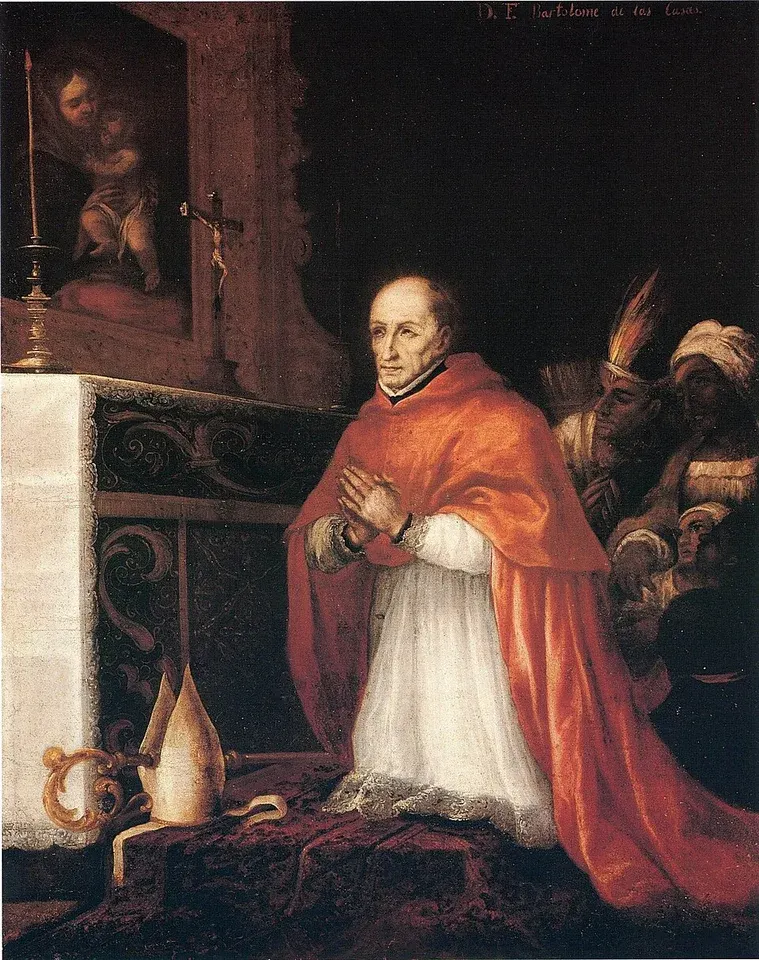
Biography
Turibius of Mogrovejo was trained in law before becoming archbishop of Lima. After arriving in Peru, he undertook extensive journeys through his large archdiocese, seeking direct contact with communities far from the capital. His leadership combined pastoral visitation with efforts to strengthen religious education and church discipline.
His earlier career included teaching law at Salamanca. Appointment to Lima required a major change of vocation and preparation for ordained ministry. Once in Peru, he treated travel as part of episcopal responsibility, refusing to confine oversight to the capital and its established institutions.
The seminary he founded in Lima in 1591 gave lasting form to his concern for clergy formation. Councils and local synods likewise sought continuity beyond a single visit or sermon. His legacy joins direct contact with communities to institutions intended to sustain their religious life over time.
He convened councils and synods and promoted institutions for the formation of clergy. His life belongs to the history of the Church in colonial South America, where pastoral responsibilities crossed major linguistic and social divisions. He died in 1606. The current Roman calendar commemorates him on March 23, though older sources use a different feast date.
Context & contribution
Teaching in the languages people understood
In his 2018 address to Peru's bishops, Pope Francis highlighted a specific result of Turibius's Third Council of Lima: catechisms prepared in Quechua and Aymara. He also recalled Turibius's encouragement for priests to learn the languages of the communities they served. Physical access to a village was not enough if religious instruction remained unintelligible.
The same address describes his defense of the ordination of mestizos against racial barriers. These examples give substance to the broader account of pastoral travel and clergy formation: language and ancestry affected who could receive teaching and who could become a minister. They also place his work within the real inequalities of colonial society rather than treating the setting as a neutral backdrop.
Explore the sources for this section
AI-assisted source comparison updated 2026-09-26. Editorial approach
From the Saint Discovery blog
Keep exploring your faith
Practical guides to prayer, the saints, and living the Catholic faith.
Why Do Catholics Pray to Saints? Intercession Explained
Why do Catholics pray to saints? Learn how intercession differs from worship, how it relates to Jesus, and a simple way to ask a saint to pray for you.
A next step with your saintRead the article Living the seasonsHow to Celebrate Your Patron Saint's Feast Day at Home
Celebrate your patron saint's feast day with prayer, a short biography, and an act of kindness. A practical plan for families, sponsors, and individuals.
A next step with your saintRead the articleFrom reading to reflection
What will you carry with you?
After reading about St. Turibius of Mogrovejo, take a moment to consider:
- Think about a barrier that keeps someone from understanding parish teaching or participating in ministry. What would changing the institution, rather than blaming the person, require?
These are reflection prompts from Saint Discovery, not quotations from the saint.
Sources and further reading
Biography source comparison recorded on . This is an AI-assisted comparison, not independent human or ecclesiastical approval.
What the recorded review covers
AI-assisted expansion using the linked historical and ecclesiastical sources; devotional traditions distinguished from documented history.
A source list helps you check an account; it does not establish that every claim is certain. Follow the biography’s qualifications about historical evidence, traditions and feast calendars.
Suggest a correction to this biography
How we research these pages and handle corrections · Directory corrections log
More lives to explore
Suggestions based on the site’s quiz themes, not a historical relationship or a measure of holiness.