Catholic saint biography
St. Simon the Apostle
- Commemoration:
- October 28
- Lived:
- First century — Ancient eastern Mediterranean
Why dates and liturgical observances can differ
Read the sources for this biography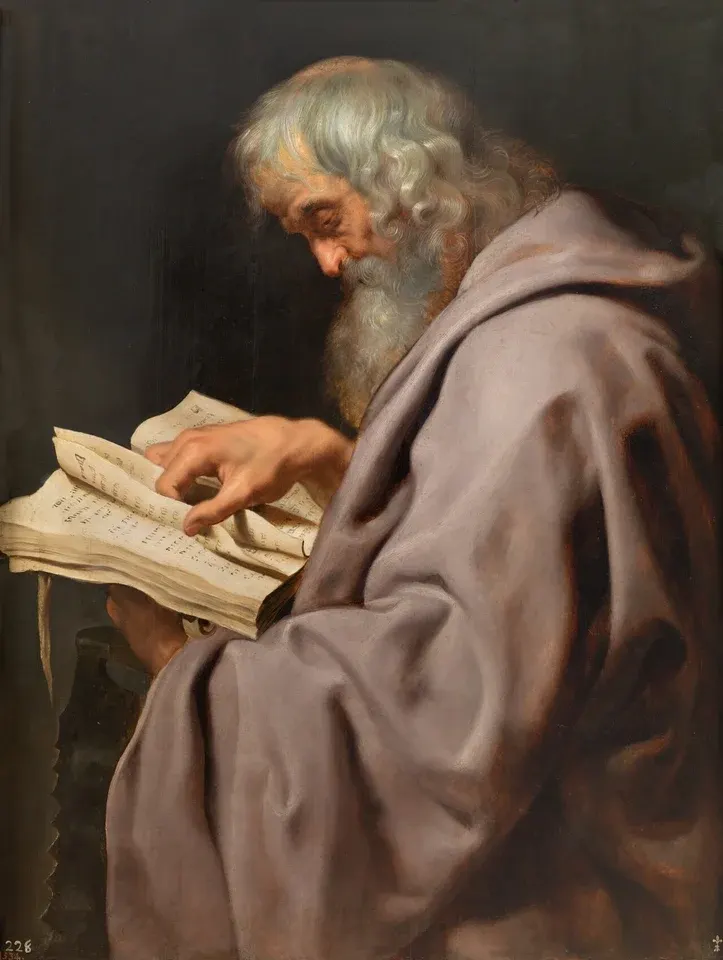
Biography
Simon was one of the Twelve Apostles and is distinguished in the Gospel lists by the designation Zealot, also rendered Cananaean. The New Testament gives little further personal information about him. His identity should not be confused with Simon Peter or filled out with details borrowed from other people of the same name.
His designation has attracted interpretations about his earlier loyalties, but it does not supply a documented political career. What the Gospel lists establish is his inclusion among the small group Jesus chose as apostles. His shared vocation is more certain than the later attempts to reconstruct his background.
Devotional accounts describe Simon and Jude refusing idolatry at the cost of their lives. Those stories explain their joint celebration and later veneration, including their association with relics in Saint Peter’s Basilica. They should be read as the Church’s received missionary tradition, rather than as eyewitness itineraries.
Later traditions connect Simon’s preaching and martyrdom with Jude, particularly in Persia, but the accounts vary. The Church celebrates the two apostles together on October 28. His biography is therefore best centered on his securely attested place among the Twelve, while clearly identifying the later missionary narratives as tradition.
Context & contribution
Different backgrounds within the Twelve
Benedict XVI’s 2006 audience explains Simon’s two designations through a word associated with ardor or zeal, connecting it with biblical language about Elijah’s devotion to God. This reading places Simon’s nickname within Jewish religious vocabulary rather than treating it as a complete account of his politics.
The pope then contrasts this probable attachment to Jewish identity and law with Matthew’s background as a tax collector. He reads their shared place among the Twelve as an example of people from sharply different settings becoming one community around Jesus. This is a theological interpretation of the apostolic group, not evidence of a recorded dispute between Simon and Matthew.
Explore the sources for this section
AI-assisted source comparison updated 2026-09-26. Editorial approach
From the Saint Discovery blog
Keep exploring your faith
Practical guides to prayer, the saints, and living the Catholic faith.
Why Is Saint Luke's Symbol an Ox? Meaning and Biblical Roots
Discover why Saint Luke's symbol is a winged ox, its biblical roots, and how the image connects his Gospel with priesthood and sacrifice.
Go deeper into ScriptureRead the article Prayer & reflectionHow to Pray the Jesus Prayer: A Catholic Beginner's Guide
Learn the Jesus Prayer, its Eastern Christian roots and biblical meaning, with a simple Catholic practice focused on Christ and mercy.
Go deeper into ScriptureRead the articleFrom reading to reflection
What will you carry with you?
After reading about St. Simon the Apostle, take a moment to consider:
- Read Benedict XVI’s comparison of Simon and Matthew. Separate what the Gospel names establish from the pope’s interpretation, then discuss what their shared calling suggests about community across differences.
These are reflection prompts from Saint Discovery, not quotations from the saint.
Sources and further reading
Biography source comparison recorded on . This is an AI-assisted comparison, not independent human or ecclesiastical approval.
What the recorded review covers
AI-assisted expansion using the linked historical and ecclesiastical sources; devotional traditions distinguished from documented history.
A source list helps you check an account; it does not establish that every claim is certain. Follow the biography’s qualifications about historical evidence, traditions and feast calendars.
Suggest a correction to this biography
How we research these pages and handle corrections · Directory corrections log
More lives to explore
Suggestions based on the site’s quiz themes, not a historical relationship or a measure of holiness.