Catholic saint biography
St. Polycarp of Smyrna
- Commemoration:
- February 23
- Lived:
- First–second centuries — Smyrna, Asia Minor
Why dates and liturgical observances can differ
Read the sources for this biography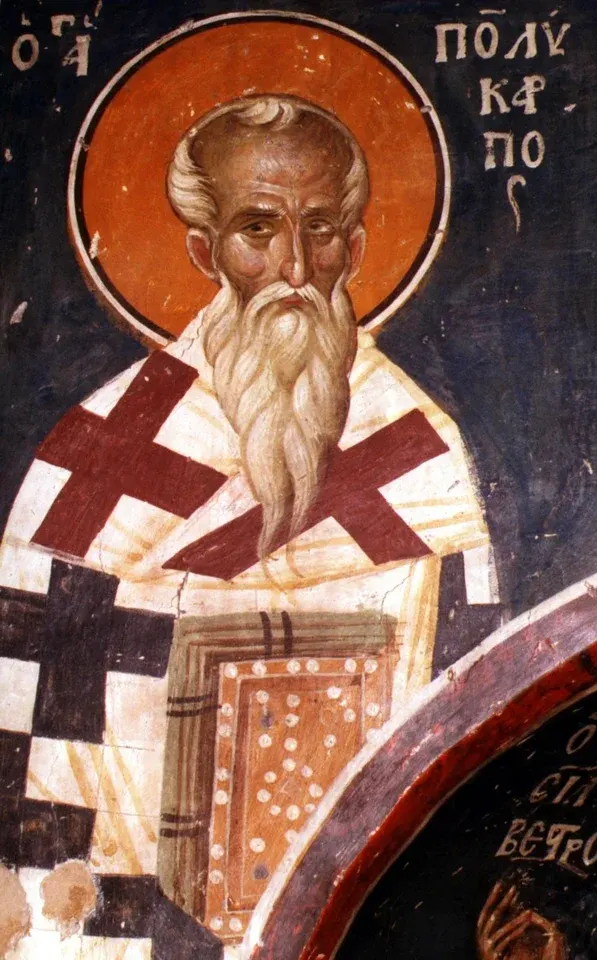
Biography
Polycarp was bishop of Smyrna and a significant link between the apostolic generation and later Christian communities. Irenaeus, who remembered him as a teacher, associated him with John and other witnesses of the earliest Church. Polycarp sought to preserve apostolic teaching while guiding Christians through disagreement and persecution.
Polycarp knew Ignatius of Antioch, whose journey toward martyrdom passed through Smyrna. He helped preserve Ignatius's letters and wrote to the Philippians himself. These surviving connections make the transmission of early Christian teaching visible through particular people and texts.
He also traveled to Rome to discuss church concerns with Anicetus, including differences over the date of Easter. His life therefore includes negotiation across regional customs as well as resistance to persecution. The martyrdom account is religious testimony and should be read with attention to its literary purpose.
The account known as the Martyrdom of Polycarp records his refusal to abandon his faith and his execution. It is an important early witness to Christian remembrance of martyrs. His significance rests not only on the manner of his death but also on his pastoral role in transmitting the faith across generations.
Context & contribution
Preserving another pastor’s letters
Polycarp’s correspondence helped preserve the work of Ignatius of Antioch. When the Philippians requested Ignatius’s letters, Polycarp gathered them and sent his own accompanying message. The act was modest compared with a dramatic martyrdom, but it helped later Christians gain access to an earlier generation’s teaching.
His meeting with Anicetus offers another useful detail: disagreement over the date of Easter did not end their friendly relations. Taken together, these episodes show a bishop concerned with communication across churches. Preserving texts and maintaining relationships were part of transmitting apostolic faith, not merely background to his final witness.
Explore the sources for this section
AI-assisted source comparison updated 2026-09-26. Editorial approach
From the Saint Discovery blog
Keep exploring your faith
Practical guides to prayer, the saints, and living the Catholic faith.
Why Do Catholics Pray to Saints? Intercession Explained
Why do Catholics pray to saints? Learn how intercession differs from worship, how it relates to Jesus, and a simple way to ask a saint to pray for you.
A next step with your saintRead the article Living the seasonsHow to Celebrate Your Patron Saint's Feast Day at Home
Celebrate your patron saint's feast day with prayer, a short biography, and an act of kindness. A practical plan for families, sponsors, and individuals.
A next step with your saintRead the articleFrom reading to reflection
What will you carry with you?
After reading about St. Polycarp of Smyrna, take a moment to consider:
- What can the exchange with the Philippians teach about the importance of preserving someone else’s work?
These are reflection prompts from Saint Discovery, not quotations from the saint.
Sources and further reading
Biography source comparison recorded on . This is an AI-assisted comparison, not independent human or ecclesiastical approval.
What the recorded review covers
AI-assisted expansion using the linked historical and ecclesiastical sources; devotional traditions distinguished from documented history.
A source list helps you check an account; it does not establish that every claim is certain. Follow the biography’s qualifications about historical evidence, traditions and feast calendars.
Suggest a correction to this biography
How we research these pages and handle corrections · Directory corrections log
More lives to explore
Suggestions based on the site’s quiz themes, not a historical relationship or a measure of holiness.