Catholic saint biography
St. Peter Canisius
- Commemoration:
- December 21
- Lived:
- 1521–1597 — Nijmegen, Netherlands
Why dates and liturgical observances can differ
Read the sources for this biography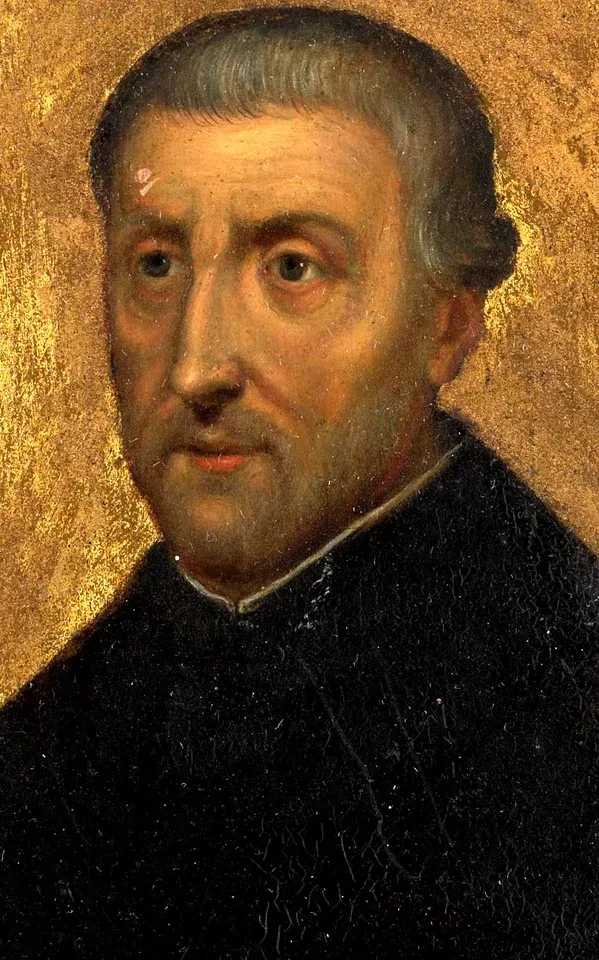
Biography
Peter Canisius was an early Jesuit whose teaching and catechisms helped shape Catholic life in German-speaking Europe during the Reformation. After studies in Cologne, he met Peter Faber and entered the Society of Jesus. His work combined preaching, university teaching, the foundation of colleges, and leadership of the Jesuits’ German province.
The Spiritual Exercises under Peter Faber helped him decide to enter the Jesuits in 1543. He was ordained in 1546 and worked with patristic texts before taking on responsibilities connected with the Council of Trent. His educational ministry therefore drew on both Scripture and early Christian writers.
The first major catechism appeared in 1555 for educated readers; shorter versions served younger students and children. This adaptation to different audiences was a central feature of his work, supported by teaching and preaching in cities including Ingolstadt, Vienna, Prague, and Fribourg.
Canisius prepared explanations of Catholic belief for readers with different levels of education. Their many editions gave his influence a reach beyond the classrooms and pulpits where he worked. Honored as a Doctor of the Church, he is remembered especially for making religious instruction a central part of pastoral care.
Context & contribution
Editing the past for the needs of the present
Before his best-known catechisms, Canisius worked on editions of Cyril of Alexandria and Leo the Great. The Jesuit biography places this activity before his ordination. His later teaching therefore drew on work that made earlier Christian voices available, not only on arguments responding to contemporary opponents.
His career also joined print to institutions. A book could travel where its author could not, while schools and seminaries supplied teachers and regular study. Considering both forms of work explains why his influence cannot be measured only by the sermons he personally delivered or the offices he held.
Explore the sources for this section
AI-assisted source comparison updated 2026-09-26. Editorial approach
From the Saint Discovery blog
Keep exploring your faith
Practical guides to prayer, the saints, and living the Catholic faith.
Why Is St. Thérèse the Patron Saint of Missions?
Why is St. Thérèse patron saint of missions? Discover her support for missionaries and practical ways to participate in the Church's mission from home.
Sharing the faithRead the article Everyday faithWhat Is Evangelization? A Catholic Guide to Sharing the Faith
What is evangelization? Learn the Catholic meaning, the new evangelization, and practical ways to share your faith with respect, confidence, and love.
Sharing the faithRead the articleFrom reading to reflection
What will you carry with you?
After reading about St. Peter Canisius, take a moment to consider:
- Compare an accessible edition of an old Christian text with a newly written catechism. What different needs does each serve?
These are reflection prompts from Saint Discovery, not quotations from the saint.
Sources and further reading
Biography source comparison recorded on . This is an AI-assisted comparison, not independent human or ecclesiastical approval.
What the recorded review covers
AI-assisted expansion using the linked historical and ecclesiastical sources; devotional traditions distinguished from documented history.
A source list helps you check an account; it does not establish that every claim is certain. Follow the biography’s qualifications about historical evidence, traditions and feast calendars.
Suggest a correction to this biography
How we research these pages and handle corrections · Directory corrections log
More lives to explore
Suggestions based on the site’s quiz themes, not a historical relationship or a measure of holiness.