Catholic saint biography
St. Ambrose of Milan
- Commemoration:
- December 7
- Lived:
- Fourth century — Trier; Milan
Why dates and liturgical observances can differ
Read the sources for this biography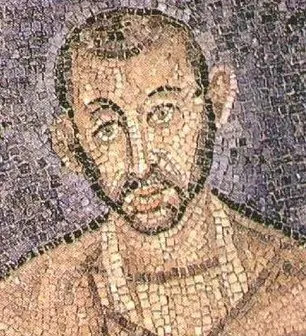
Biography
Ambrose of Milan was a Roman official whose unexpected election as bishop in 374 made him one of the most influential church leaders of the fourth century. His life brought legal training, public administration, scriptural study, and pastoral leadership into close contact.
He was called to mediate a dispute over the choice of Milan's new bishop. The conflict reflected serious divisions over the Church's teaching about Christ. Popular support then turned toward Ambrose himself, although he was still a catechumen and had to be baptized before assuming the office.
As bishop, he studied Scripture and earlier Christian writers, distributed resources to people in need, and developed a powerful preaching ministry. His preaching helped shape Augustine's journey toward Christianity. The Vatican account also remembers his willingness to use church valuables to ransom captives rather than preserve possessions while people suffered.
Ambrose's legacy includes theological works and liturgical hymnody, as well as his defense of the Church's faith amid political pressure. He is honored as a Doctor of the Church. His December 7 commemoration marks his becoming bishop rather than his death. The transition from governor to pastor remained a defining feature of his remembered life.
Context & contribution
Listening to Scripture before teaching it
Benedict XVI describes Ambrose's use of Origen's biblical interpretation as a transfer of Alexandrian learning into the Latin church. Ambrose approached Scripture through prayerful reading and then used it to form catechumens and newly baptized Christians. Teaching emerged from sustained engagement with a text rather than eloquence alone.
Augustine's description of finding Ambrose reading quietly gives this intellectual work a human setting: a busy bishop made space for study amid people seeking help. The Milanese community's prayer and common resolve also influenced Augustine. Ambrose's legacy in formation consequently involves the relationship between an attentive reader, a teacher's conduct, and a community visibly living what it hears.
Explore the sources for this section
AI-assisted source comparison updated 2026-09-26. Editorial approach
From the Saint Discovery blog
Keep exploring your faith
Practical guides to prayer, the saints, and living the Catholic faith.
Why Do Catholics Pray to Saints? Intercession Explained
Why do Catholics pray to saints? Learn how intercession differs from worship, how it relates to Jesus, and a simple way to ask a saint to pray for you.
A next step with your saintRead the article Living the seasonsHow to Celebrate Your Patron Saint's Feast Day at Home
Celebrate your patron saint's feast day with prayer, a short biography, and an act of kindness. A practical plan for families, sponsors, and individuals.
A next step with your saintRead the articleFrom reading to reflection
What will you carry with you?
After reading about St. Ambrose of Milan, take a moment to consider:
- Read a short biblical passage twice: once for information and once asking how it might shape conduct. How does this illuminate Ambrose's teaching method?
These are reflection prompts from Saint Discovery, not quotations from the saint.
Sources and further reading
Biography source comparison recorded on . This is an AI-assisted comparison, not independent human or ecclesiastical approval.
What the recorded review covers
AI-assisted expansion checked against retrieved historical and institutional sources; traditions distinguished from documented history; not ecclesiastical approval
A source list helps you check an account; it does not establish that every claim is certain. Follow the biography’s qualifications about historical evidence, traditions and feast calendars.
Suggest a correction to this biography
How we research these pages and handle corrections · Directory corrections log
More lives to explore
Suggestions based on the site’s quiz themes, not a historical relationship or a measure of holiness.