Catholic saint biography
St. Nicetas of Remesiana
- Commemoration:
- June 22
- Lived:
- About 335–414 — Remesiana, present-day Bela Palanka, Serbia
Commemorated on June 22; September 14 is not supported for this bishop.
Why dates and liturgical observances can differ
Read the sources for this biography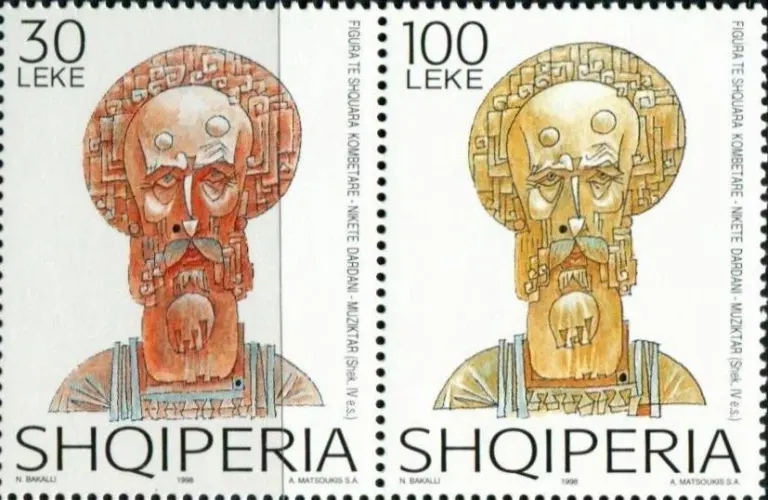
Biography
Nicetas was bishop of Remesiana in the late Roman Balkans and a friend of Paulinus of Nola. His surviving teaching and references by other early Christian writers connect him with the instruction of people preparing for baptism. He explained Christian belief in language directed toward the life of the worshipping community.
Remesiana lay on an important route through the Balkans, connecting his ministry with a region crossed by different peoples and languages. Paulinus's poems and letters provide evidence of friendship and travel as well as esteem for his teaching. Such references are especially valuable where a continuous biography has not survived.
Scholars have studied the attribution of several works associated with him, including discussions of the creed and religious singing. Such questions mean that every text traditionally linked to his name should not be treated as certainly his. He is remembered as a bishop and teacher; June 22 is the attested commemoration for this Nicetas.
Confusion over authorship grew because works circulated under related names and were assigned to different bishops. Studying a particular treatise therefore requires more than finding Nicetas's name in a later heading. His reputation as a catechist remains important, while uncertain attributions should stay visible rather than being converted into a definitive list of publications.
Context & contribution
What his baptismal curriculum covered
Gennadius's account of Nicetas's six books for baptismal candidates supplies a remarkably concrete curriculum. It moves from candidates' conduct and criticism of pagan beliefs to the divine nature, practices surrounding a child's birth, confession of faith, and the paschal lamb. Preparing for baptism involved habits and inherited customs as well as learning doctrinal formulas.
The collection does not survive intact. The Catholic Encyclopedia's survey identifies fragments and probable surviving treatises while noting that the books on birth customs and the paschal lamb are lost. That distinction permits a careful reconstruction of his teaching interests: a reported table of contents can establish a subject he addressed without allowing us to recreate the missing argument.
Explore the sources for this section
AI-assisted source comparison updated 2026-09-26. Editorial approach
From the Saint Discovery blog
Keep exploring your faith
Practical guides to prayer, the saints, and living the Catholic faith.
Why Do Catholics Pray to Saints? Intercession Explained
Why do Catholics pray to saints? Learn how intercession differs from worship, how it relates to Jesus, and a simple way to ask a saint to pray for you.
A next step with your saintRead the article Living the seasonsHow to Celebrate Your Patron Saint's Feast Day at Home
Celebrate your patron saint's feast day with prayer, a short biography, and an act of kindness. A practical plan for families, sponsors, and individuals.
A next step with your saintRead the articleFrom reading to reflection
What will you carry with you?
After reading about St. Nicetas of Remesiana, take a moment to consider:
- Arrange the six reported subjects into ethical, doctrinal, and ritual questions, then mark which conclusions depend on Gennadius's description rather than a surviving complete text.
These are reflection prompts from Saint Discovery, not quotations from the saint.
Sources and further reading
Biography source comparison recorded on . This is an AI-assisted comparison, not independent human or ecclesiastical approval.
What the recorded review covers
AI-assisted expansion of the existing source-reviewed biography with comparison to retrieved cited sources; not ecclesiastical approval
A source list helps you check an account; it does not establish that every claim is certain. Follow the biography’s qualifications about historical evidence, traditions and feast calendars.
Suggest a correction to this biography
How we research these pages and handle corrections · Directory corrections log
More lives to explore
Suggestions based on the site’s quiz themes, not a historical relationship or a measure of holiness.