Catholic saint biography
St. Leopold Mandić
- Commemoration:
- May 12
- Lived:
- 1866–1942 — Herceg Novi, present-day Montenegro
Franciscan celebration May 12; July 30 is his death anniversary.
Why dates and liturgical observances can differ
Read the sources for this biography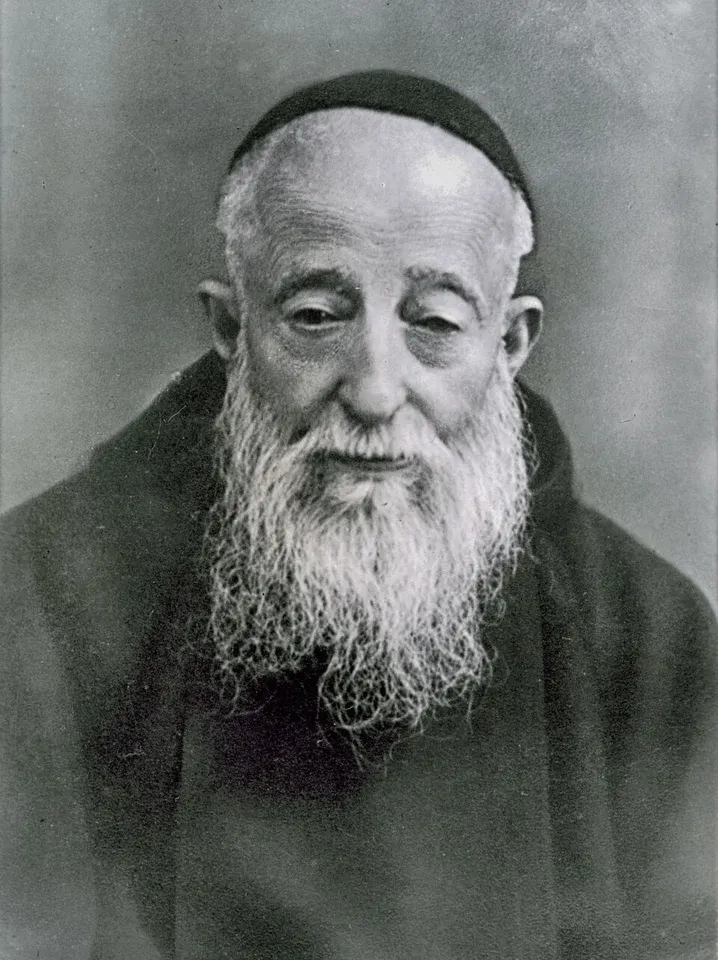
Biography
Leopold Mandić was a Croatian Capuchin priest born on the Adriatic coast in present-day Montenegro. Persistent health difficulties and a weak voice limited public preaching, but he developed a ministry of patient personal attention. Much of his life was spent in Padua, receiving people in confession and offering spiritual counsel.
His work included teaching the writings of the early Church Fathers to members of his province. Public preaching was only one possible form of priestly service, and his limitations led him toward a ministry that depended more on listening and individual conversation. His confessional became the best-known setting of that service.
He longed for reconciliation between Eastern and Western Christians and understood his daily work as a contribution to that hope. Rather than founding an institution or becoming a prominent public speaker, he served through repeated, private encounters with people seeking forgiveness. His memory emphasizes mercy without humiliation and perseverance within physical limitations. He died in 1942 and remains particularly associated with the ministry of reconciliation.
The mission to Eastern Christians that he desired did not take the form of the journey he imagined. Instead, unity remained an intention within his life in Padua. That distinction is important: he is remembered for a sustained ecumenical hope, not for negotiating an actual reunion of the Eastern and Western Churches.
Context & contribution
A private ministry given a public teaching role
During the 2016 Jubilee of Mercy, Leopold's remains were brought to the Vatican alongside those of Pio of Pietrelcina. Francis subsequently named both friars as examples while addressing priests preparing for the ministry of reconciliation. A service carried out largely in private thus became a reference point for the wider Church's formation of confessors.
The address places Leopold within a teaching about the confessor's own need for forgiveness and the duty to avoid humiliating those who seek it. It is evidence of how his legacy has been received, not a transcript of every encounter in his confessional. His public importance lies in the pastoral approach later church teaching recognizes in his example.
Explore the sources for this section
AI-assisted source comparison updated 2026-09-26. Editorial approach
From the Saint Discovery blog
Keep exploring your faith
Practical guides to prayer, the saints, and living the Catholic faith.
How to Make a Spiritual Communion When You Cannot Receive
Learn how to make a spiritual communion, with a short original prayer and clear guidance on Mass, Confession, and times when you cannot receive.
Explore mercy and reconciliationRead the article Prayer & reflectionHow to Pray the Jesus Prayer: A Catholic Beginner's Guide
Learn the Jesus Prayer, its Eastern Christian roots and biblical meaning, with a simple Catholic practice focused on Christ and mercy.
Explore mercy and reconciliationRead the articleFrom reading to reflection
What will you carry with you?
After reading about St. Leopold Mandić, take a moment to consider:
- Read Francis's 2016 address and identify two concrete behaviors expected of a confessor; explain why Leopold's quiet ministry became an apt example.
These are reflection prompts from Saint Discovery, not quotations from the saint.
Sources and further reading
Biography source comparison recorded on . This is an AI-assisted comparison, not independent human or ecclesiastical approval.
What the recorded review covers
AI-assisted expansion of the existing source-reviewed biography with comparison to retrieved cited sources; not ecclesiastical approval
A source list helps you check an account; it does not establish that every claim is certain. Follow the biography’s qualifications about historical evidence, traditions and feast calendars.
Suggest a correction to this biography
How we research these pages and handle corrections · Directory corrections log
More lives to explore
Suggestions based on the site’s quiz themes, not a historical relationship or a measure of holiness.