Catholic saint biography
St. Gregory of Nazianzus
- Commemoration:
- January 2
- Lived:
- About 330–390 — Cappadocia, present-day Turkey
Roman memorial with Basil the Great.
Why dates and liturgical observances can differ
Read the sources for this biography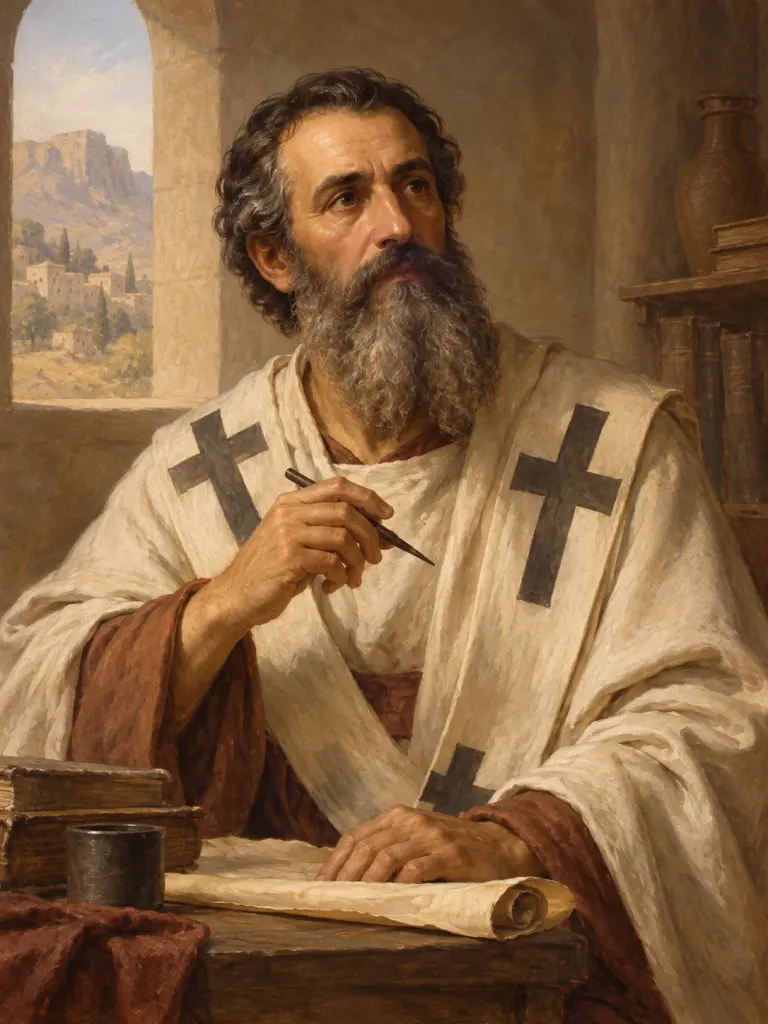
Biography
Gregory of Nazianzus was a fourth-century Cappadocian bishop whose sermons and poetry made him a major Christian theologian. His defense of the divinity of the Son and Holy Spirit earned him a lasting place in both Eastern and Western Christianity.
He received an extensive education, studying in several cities and developing a close friendship with Basil, especially at Athens. Returning home, he was drawn toward solitude and contemplation, but family and ecclesiastical responsibilities repeatedly called him into public ministry.
His work at Constantinople took place amid intense disputes over the Nicene faith. His theological orations sought precision in speaking about the Trinity while insisting that knowledge of God involved spiritual formation as well as argument.
Conflict surrounding his episcopal position eventually led him to withdraw. He returned to Cappadocia and devoted his later years to prayer and writing. His letters and autobiographical poetry preserve unusually personal reflections on friendship, disappointment, and the burdens of leadership. They prevent his biography from becoming only a list of doctrinal victories. The Roman calendar remembers him with Basil on January 2.
Context & contribution
Theology in a small congregation
Gregory delivered the five celebrated Theological Orations in Constantinople's small Anastasis church, where he served a Nicene minority. The setting matters: these arguments about God were developed for a contested church community, not only for an academic audience. A modest place of worship became associated with teaching that reached far beyond its original hearers.
His literary legacy also includes a verse autobiography, De vita sua. Alongside the public orations, it preserves a more personal response to church leadership and conflict. Benedict XVI's account presents both forms of writing, allowing readers to distinguish Gregory's carefully argued doctrinal voice from the voice in which he interpreted his own difficult career.
Explore the sources for this section
AI-assisted source comparison updated 2026-09-26. Editorial approach
From the Saint Discovery blog
Keep exploring your faith
Practical guides to prayer, the saints, and living the Catholic faith.
Why Do Catholics Pray to Saints? Intercession Explained
Why do Catholics pray to saints? Learn how intercession differs from worship, how it relates to Jesus, and a simple way to ask a saint to pray for you.
A next step with your saintRead the article Living the seasonsHow to Celebrate Your Patron Saint's Feast Day at Home
Celebrate your patron saint's feast day with prayer, a short biography, and an act of kindness. A practical plan for families, sponsors, and individuals.
A next step with your saintRead the articleFrom reading to reflection
What will you carry with you?
After reading about St. Gregory of Nazianzus, take a moment to consider:
- Set a short passage from a Theological Oration beside an autobiographical poem. Compare what Gregory can communicate through public argument and through personal recollection.
These are reflection prompts from Saint Discovery, not quotations from the saint.
Sources and further reading
Biography source comparison recorded on . This is an AI-assisted comparison, not independent human or ecclesiastical approval.
What the recorded review covers
AI-assisted expansion checked against cited sources; historical traditions distinguished from documented evidence; not ecclesiastical approval
A source list helps you check an account; it does not establish that every claim is certain. Follow the biography’s qualifications about historical evidence, traditions and feast calendars.
Suggest a correction to this biography
How we research these pages and handle corrections · Directory corrections log
More lives to explore
Suggestions based on the site’s quiz themes, not a historical relationship or a measure of holiness.