Catholic saint biography
St. Francis de Sales
- Commemoration:
- January 24
- Lived:
- 1567–1622 — Savoy, present-day France
Memorial on January 24.
Why dates and liturgical observances can differ
Read the sources for this biography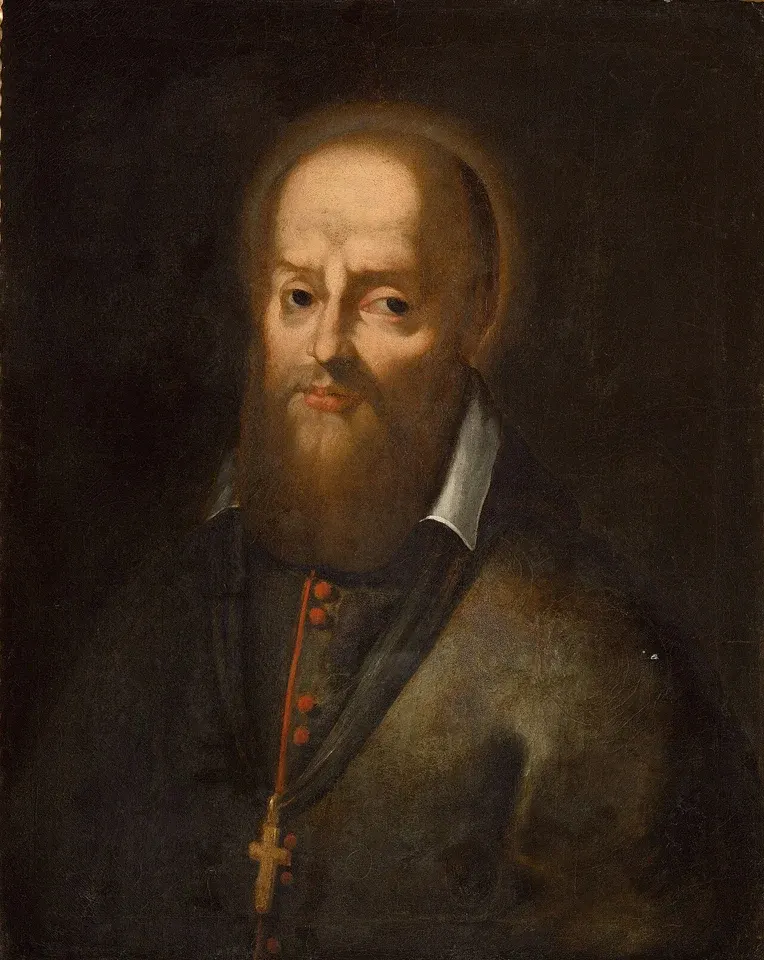
Biography
Francis de Sales was a bishop and spiritual writer who taught that devotion belonged within ordinary family and professional life. Born in Savoy in 1567, he became one of the best-known Catholic teachers of the post-Reformation period.
He studied in Paris and earned degrees in canon and civil law at Padua. A youthful crisis over salvation and predestination shaped his later emphasis on trusting God's love. He became a priest despite his father's initial opposition to that choice.
In 1602 he became bishop of Geneva, but religious divisions meant that he resided at Annecy. Preaching, correspondence, and personal direction brought him into contact with people in varied circumstances. His approach emphasized patient persuasion and the formation of the heart.
His earlier mission in the Chablais reveals both the inventiveness and the historical complexity of his ministry. Working in a territory contested between Catholic and Reformed authorities, he distributed written explanations of Catholic belief, including papers delivered to homes. Religious persuasion there cannot be separated entirely from the political changes that made the mission possible. His later reputation for gentleness grew through experience rather than appearing fully formed.
Francis judged religious practice by the love expressed through it. In counsel to the Visitation sisters, he explained that necessary work could unite someone to God as truly as solitary prayer. This was not permission to neglect prayer, but an argument against measuring devotion solely by outward austerity or exceptional experiences. His teaching made room for both action and contemplation within a person's actual responsibilities.
Introduction to the Devout Life adapted spiritual counsel for people who could not leave their households and occupations for a monastery. His Treatise on the Love of God developed the theology behind that counsel. With Jane Frances de Chantal he founded the Visitation community. Honored as a Doctor of the Church, he left a legacy in which demanding religious commitment is expressed through the responsibilities of a particular person's life.
Context & contribution
Counsel grounded in attention to persons
Totum amoris est emphasizes that Francis did not turn his own spiritual experience into a universal formula for everyone. His personal crises contributed to discernment, but the task of guidance required attending to another person's circumstances and interior life.
The letter places this sensitivity beside his final pastoral activity in Lyon: conversations, confessions, conferences, sermons, and correspondence. These varied forms of encounter explain why his books are connected to lived counsel. A reader can therefore ask not only what he recommends, but for whom a particular recommendation is intended and what responsibilities it assumes.
Explore the sources for this section
AI-assisted source comparison updated 2026-09-26. Editorial approach
From the Saint Discovery blog
Keep exploring your faith
Practical guides to prayer, the saints, and living the Catholic faith.
A Simple Daily Prayer Routine for Busy Catholics
Build a simple daily Catholic prayer routine with morning, midday, and evening pauses, practical prompts, and encouragement from Saint Francis de Sales.
Connected to this saintRead the article Prayer & reflectionWhy Do Catholics Pray to Saints? Intercession Explained
Why do Catholics pray to saints? Learn how intercession differs from worship, how it relates to Jesus, and a simple way to ask a saint to pray for you.
A next step with your saintRead the articleFrom reading to reflection
What will you carry with you?
After reading about St. Francis de Sales, take a moment to consider:
- Take one counsel from Introduction to the Devout Life and name the circumstances it assumes. How might applying it require attention to a different person's duties?
These are reflection prompts from Saint Discovery, not quotations from the saint.
Sources and further reading
Biography source comparison recorded on . This is an AI-assisted comparison, not independent human or ecclesiastical approval.
What the recorded review covers
AI-assisted expansion checked against cited sources; historical traditions distinguished from documented evidence; not ecclesiastical approval
A source list helps you check an account; it does not establish that every claim is certain. Follow the biography’s qualifications about historical evidence, traditions and feast calendars.
Suggest a correction to this biography
How we research these pages and handle corrections · Directory corrections log
More lives to explore
Suggestions based on the site’s quiz themes, not a historical relationship or a measure of holiness.