Catholic saint biography
St. Elizabeth of the Trinity
- Commemoration:
- November 8
- Lived:
- 1880–1906 — France; associated with Dijon
Carmelite memorial November 8; death anniversary November 9.
Why dates and liturgical observances can differ
Read the sources for this biography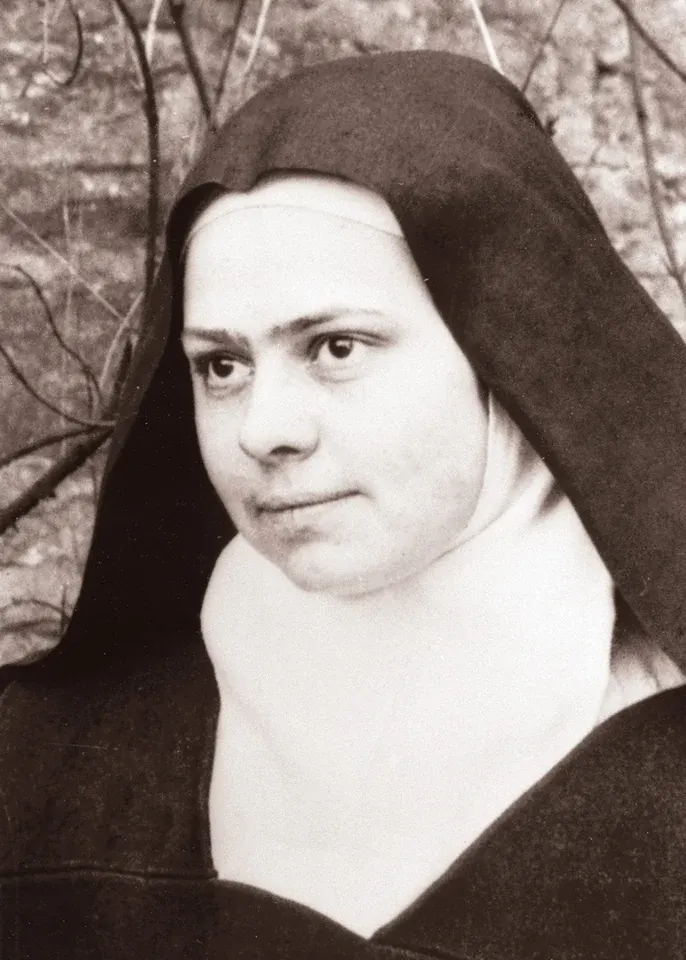
Biography
Elizabeth of the Trinity was a French Carmelite whose letters and spiritual writings explore God's presence within the human person. Born Elizabeth Catez in 1880, she lived much of her youth in Dijon.
A talented pianist, she studied at the conservatory and enjoyed music, friendships, and excursions. Accounts of her childhood also recall a forceful temper. Her religious development involved learning self-mastery within family life before she could enter a monastery.
Her mother initially opposed her desire for Carmel, and Elizabeth waited until adulthood. She entered the Dijon monastery in 1901. Contemplative life gave sustained expression to a conviction already important to her: prayer could become an inward relationship rather than an activity limited to particular moments.
Her letters carried this insight to people outside the cloister. Severe illness marked her final years and deepened the themes of surrender and praise in her writing. She died on November 9, 1906, aged twenty-six, and was canonized in 2016. Her feast is November 8. Her brief life left a literary legacy that connects the doctrine of the Trinity with personal prayer and daily responsibilities.
Context & contribution
The language of an interior sanctuary
A letter reproduced by Loyola Press uses the image of an inner sanctuary to explain Elizabeth's prayer. The image does not require a person to occupy a chapel all day: it describes sustained attention to the Trinity through the activities and choices of a day.
She also places faults within this relationship, urging renewed surrender to divine love rather than endless self-preoccupation. Read as spiritual counsel, the letter explains how her theology reached friends beyond Carmel. Its intimate language belongs to that correspondence and should not be mistaken for a technical manual promising a particular emotional experience.
Explore the sources for this section
AI-assisted source comparison updated 2026-09-26. Editorial approach
From the Saint Discovery blog
Keep exploring your faith
Practical guides to prayer, the saints, and living the Catholic faith.
Why Do Catholics Pray to Saints? Intercession Explained
Why do Catholics pray to saints? Learn how intercession differs from worship, how it relates to Jesus, and a simple way to ask a saint to pray for you.
A next step with your saintRead the article Living the seasonsHow to Celebrate Your Patron Saint's Feast Day at Home
Celebrate your patron saint's feast day with prayer, a short biography, and an act of kindness. A practical plan for families, sponsors, and individuals.
A next step with your saintRead the articleFrom reading to reflection
What will you carry with you?
After reading about St. Elizabeth of the Trinity, take a moment to consider:
- Choose one ordinary daily task and explain how Elizabeth's sanctuary image might change attention during it without requiring the task to stop.
These are reflection prompts from Saint Discovery, not quotations from the saint.
Sources and further reading
Biography source comparison recorded on . This is an AI-assisted comparison, not independent human or ecclesiastical approval.
What the recorded review covers
AI-assisted expansion checked against cited sources; historical traditions distinguished from documented evidence; not ecclesiastical approval
A source list helps you check an account; it does not establish that every claim is certain. Follow the biography’s qualifications about historical evidence, traditions and feast calendars.
Suggest a correction to this biography
How we research these pages and handle corrections · Directory corrections log
More lives to explore
Suggestions based on the site’s quiz themes, not a historical relationship or a measure of holiness.