Catholic saint biography
St. Alphonsa of the Immaculate Conception
- Commemoration:
- July 28
- Lived:
- 1910–1946 — Kerala, India
Why dates and liturgical observances can differ
Read the sources for this biography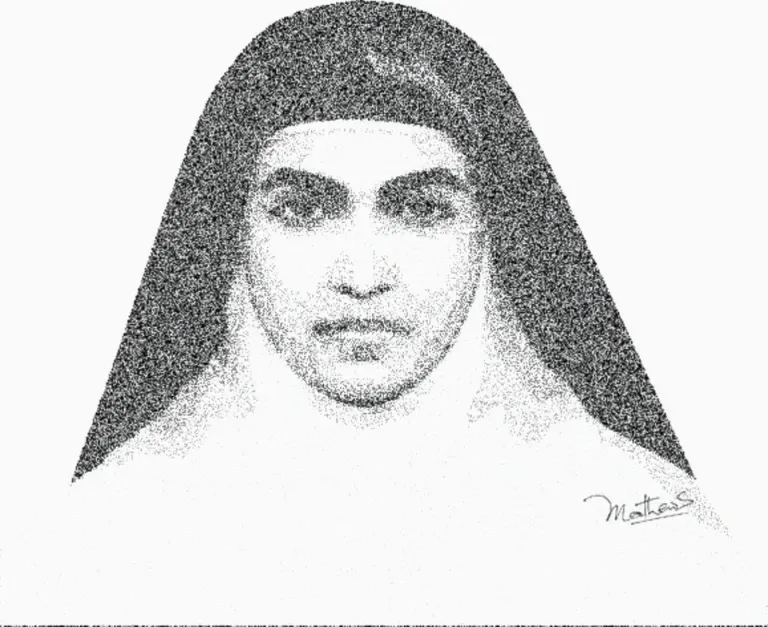
Biography
Alphonsa of the Immaculate Conception was an Indian Franciscan Clarist sister whose life was rooted in Kerala's Syro-Malabar Catholic tradition. Born Annakutty Muttathupadathu in 1910, she became known for prayer, charity, and perseverance during recurrent illness.
Her mother died when she was an infant, and relatives raised her. The family life described in her official biography included both a grandmother's religious influence and difficult expectations surrounding marriage. Her desire for religious life developed within those relationships rather than apart from them.
She entered the Franciscan Clarist community at Bharananganam. Repeated health problems restricted her activities, and her life did not become one of extensive travel or institution-building. The canonization biography instead emphasizes the way she related to others and maintained her religious commitment amid physical suffering.
Alphonsa died on July 28, 1946. She was beatified in 1986 and canonized in 2008. Her story belongs to India's long Christian history and specifically to its Eastern Catholic heritage. Describing that setting avoids presenting Indian Catholicism as merely an extension of European missionary history, while her personal witness should not be confused with a claim that illness itself makes someone holy.
Context & contribution
An Eastern Catholic childhood and a limited teaching ministry
Alphonsa's official biography describes family evening prayer according to Syro-Malabar custom and friendship with Hindu children at school. These details locate her vocation in the religious and social life of Kerala. They also reveal relationships that disappear if her life is summarized only through later illness.
She taught at Vakakkad for a school year and subsequently helped as an assistant teacher and parish catechist when her health restricted fuller duties. These modest responsibilities make a concrete contribution visible without attributing large foundations to her. Her story can be read through the changing forms of participation available to someone whose capacity for work varied over time.
Explore the sources for this section
AI-assisted source comparison updated 2026-09-26. Editorial approach
From the Saint Discovery blog
Keep exploring your faith
Practical guides to prayer, the saints, and living the Catholic faith.
St. Josephine Bakhita: Hope Without Denying Suffering
Learn what St. Josephine Bakhita teaches about Christian hope, dignity, and freedom, with practical reflection prompts and an original prayer.
Faith in difficult timesRead the article Meet the saintsWhat Is the Domestic Church? John Paul II on Faith at Home
What Catholics mean by the domestic church, how John Paul II explained family life, and practical ways to begin with prayer, forgiveness and welcome.
Bring reflection into prayerRead the articleFrom reading to reflection
What will you carry with you?
After reading about St. Alphonsa of the Immaculate Conception, take a moment to consider:
- Compare Alphonsa's family prayer, school friendships, and catechetical work. How did each setting contribute to a vocation rooted in Kerala?
These are reflection prompts from Saint Discovery, not quotations from the saint.
Sources and further reading
Biography source comparison recorded on . This is an AI-assisted comparison, not independent human or ecclesiastical approval.
What the recorded review covers
AI-assisted expansion checked against retrieved historical and institutional sources; traditions distinguished from documented history; not ecclesiastical approval
A source list helps you check an account; it does not establish that every claim is certain. Follow the biography’s qualifications about historical evidence, traditions and feast calendars.
Suggest a correction to this biography
How we research these pages and handle corrections · Directory corrections log
More lives to explore
Suggestions based on the site’s quiz themes, not a historical relationship or a measure of holiness.