Catholic saint biography
St. Alberto Hurtado
- Commemoration:
- August 18
- Lived:
- 1901–1952 — Viña del Mar and Santiago, Chile
Why dates and liturgical observances can differ
Read the sources for this biography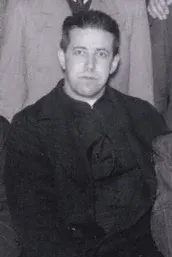
Biography
Alberto Hurtado was a Chilean Jesuit whose ministry joined education, spiritual formation, and organized service to people experiencing poverty. His best-known foundation, Hogar de Cristo, grew from a conviction that Christian commitment must address people's material circumstances.
Born in 1901, he lost his father while still a child. His family experienced financial insecurity and dependence on relatives. He later worked while studying law so that he could support his mother and brother, delaying entry into religious life until 1923.
His Jesuit formation took him abroad, and he was ordained in 1933. Returning to Chile, he taught, directed retreats, and helped young people discern their responsibilities and vocations. His work with lay Catholics challenged a separation between religious practice and concern for those excluded from security and opportunity.
In 1944 he appealed for help for homeless people, initiating Hogar de Cristo. He also supported workers' organization informed by Catholic social teaching and founded the journal Mensaje. He died on August 18, 1952. His legacy includes both institutions of assistance and the formation of people willing to take sustained responsibility for their neighbors.
Context & contribution
Education joined immediate assistance to public argument
Hurtado earned a doctorate in pedagogy and psychology before returning to Chile. His educational work involved university teaching, retreats, and bringing students into catechetical service in poor neighborhoods. The combination matters: students were invited to encounter the conditions they discussed, rather than leave social questions at the level of theory.
His 1941 book, Is Chile a Catholic Country?, turned religious identity into a question for examination. Hogar de Cristo similarly sought more than temporary shelter: the Vatican biography emphasizes a home-like environment created with lay collaboration. Intellectual formation, a challenging public question, and the practical character of a home were related parts of his response to poverty.
Explore the sources for this section
AI-assisted source comparison updated 2026-09-26. Editorial approach
From the Saint Discovery blog
Keep exploring your faith
Practical guides to prayer, the saints, and living the Catholic faith.
Why Do Catholics Pray to Saints? Intercession Explained
Why do Catholics pray to saints? Learn how intercession differs from worship, how it relates to Jesus, and a simple way to ask a saint to pray for you.
A next step with your saintRead the article Living the seasonsHow to Celebrate Your Patron Saint's Feast Day at Home
Celebrate your patron saint's feast day with prayer, a short biography, and an act of kindness. A practical plan for families, sponsors, and individuals.
A next step with your saintRead the articleFrom reading to reflection
What will you carry with you?
After reading about St. Alberto Hurtado, take a moment to consider:
- Use the title Is Chile a Catholic Country? as a model for inquiry: what evidence would distinguish a society's religious label from its treatment of vulnerable neighbors?
These are reflection prompts from Saint Discovery, not quotations from the saint.
Sources and further reading
Biography source comparison recorded on . This is an AI-assisted comparison, not independent human or ecclesiastical approval.
What the recorded review covers
AI-assisted expansion checked against retrieved historical and institutional sources; traditions distinguished from documented history; not ecclesiastical approval
A source list helps you check an account; it does not establish that every claim is certain. Follow the biography’s qualifications about historical evidence, traditions and feast calendars.
Suggest a correction to this biography
How we research these pages and handle corrections · Directory corrections log
More lives to explore
Suggestions based on the site’s quiz themes, not a historical relationship or a measure of holiness.