Catholic saint biography
St. Albert Chmielowski
- Commemoration:
- June 17
- Lived:
- 1845–1916 — Igołomia and Kraków, Poland
Why dates and liturgical observances can differ
Read the sources for this biography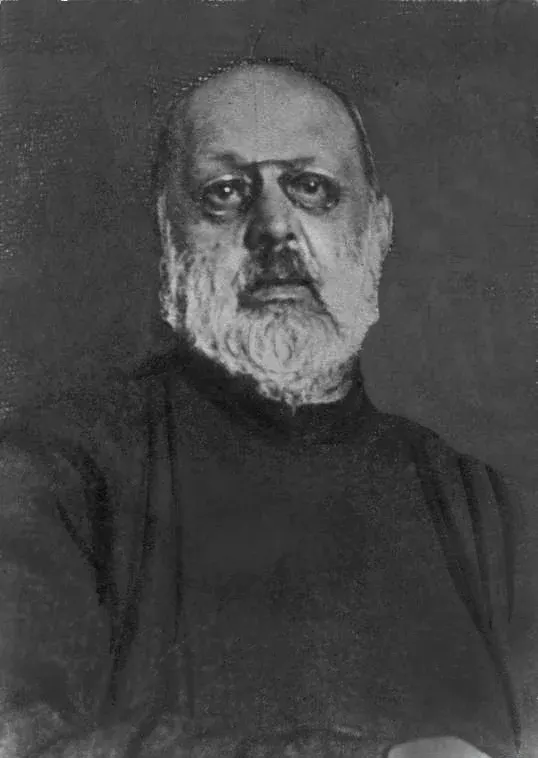
Biography
Albert Chmielowski was a Polish artist who became a religious brother and founder of communities serving people experiencing homelessness. Born Adam Chmielowski in 1845, he is remembered for choosing to share the lives of the people he wanted to help.
As a young man he joined the Polish uprising of 1863. A serious wound led to the loss of a leg. He later studied abroad and developed his ability as a painter. An attempt to enter the Jesuits ended because of ill health, and a period of spiritual difficulty preceded his deeper commitment to Franciscan life.
In Kraków, contact with people crowded into public shelters changed the direction of his vocation. He adopted the name Brother Albert in 1887 and founded a community of brothers the following year. A congregation of sisters followed in 1891. Their work included shelters and care for people living with disability or incurable illness.
Albert continued organizing assistance despite his own physical limitations. He died in one of Kraków's shelters on Christmas Day 1916. John Paul II canonized him on November 12, 1989. His legacy is the practical decision to make dignity, companionship, and material care central to religious service.
Context & contribution
From artistic attention to shared living
Albert's canonization document connects his work among people without housing with his recognition of Christ in people whose dignity had been violated. His response went beyond giving away the proceeds of art: he chose to live among those using Kraków's public shelters. Shared residence changed charity from an occasional transaction into an ongoing relationship.
The congregations gave that decision a continuing structure. The sisters' work included women and children, while foundations in other Polish cities extended assistance to people with disabilities and incurable illness. This range shows why Albert's legacy is more than a single dramatic renunciation of painting: it includes organizing different forms of care around needs encountered in daily life.
Explore the sources for this section
AI-assisted source comparison updated 2026-09-26. Editorial approach
From the Saint Discovery blog
Keep exploring your faith
Practical guides to prayer, the saints, and living the Catholic faith.
Why Do Catholics Pray to Saints? Intercession Explained
Why do Catholics pray to saints? Learn how intercession differs from worship, how it relates to Jesus, and a simple way to ask a saint to pray for you.
A next step with your saintRead the article Living the seasonsHow to Celebrate Your Patron Saint's Feast Day at Home
Celebrate your patron saint's feast day with prayer, a short biography, and an act of kindness. A practical plan for families, sponsors, and individuals.
A next step with your saintRead the articleFrom reading to reflection
What will you carry with you?
After reading about St. Albert Chmielowski, take a moment to consider:
- Consider the difference between visiting a shelter and sharing its daily life. What might Albert learn in the second situation that a donation alone would not reveal?
These are reflection prompts from Saint Discovery, not quotations from the saint.
Sources and further reading
- Holy See: Donum primum, decree of canonization ↗
- Albert Chmielowski: biographical and feast-day reference ↗
Biography source comparison recorded on . This is an AI-assisted comparison, not independent human or ecclesiastical approval.
What the recorded review covers
AI-assisted expansion checked against retrieved historical and institutional sources; traditions distinguished from documented history; not ecclesiastical approval
A source list helps you check an account; it does not establish that every claim is certain. Follow the biography’s qualifications about historical evidence, traditions and feast calendars.
Suggest a correction to this biography
How we research these pages and handle corrections · Directory corrections log
More lives to explore
Suggestions based on the site’s quiz themes, not a historical relationship or a measure of holiness.