The seven corporal works of mercy are concrete ways Catholics care for another person's bodily needs: feeding the hungry, giving drink to the thirsty, clothing those who need clothing, sheltering people without a home, visiting the sick and imprisoned, and burying the dead. They turn concern for a neighbor into something that neighbor can actually receive.
You do not need to organize a large project to begin. A thoughtful delivery, a reliable visit, or help with an overlooked expense can be a meaningful response. This guide explains the Church's teaching and offers practical starting points for ordinary life.
What does “corporal works of mercy” mean?
Corporal refers to the body. These works address physical needs while honoring the whole person. The Catechism, paragraph 2447, places them within the Church's wider understanding of mercy, which includes both bodily and spiritual care. It also identifies giving to people in poverty as an expression of charity and justice.
In Matthew 25:31–46, Jesus identifies himself with people experiencing hunger, thirst, exclusion, lack of clothing, sickness, and imprisonment. The passage challenges his followers to recognize him in people whose needs might otherwise be ignored. Our response to suffering matters to our relationship with Christ.
The traditional sevenfold list also includes burial of the dead. That work has biblical roots beyond Matthew's passage: Tobit 1:16–18 describes Tobit's care for his people's dead. The USCCB's guide to Catholic penitential practices lists all seven works together.
The seven works, with examples you can try
The suggestions below are practical applications. Begin by asking what someone needs rather than assuming that the help you prefer to give is the help they can use.
1. Feed the hungry
Help someone obtain enough food. Before collecting groceries, check a pantry's current needs and whether it prefers financial donations. If you are preparing a meal for a household, ask about allergies, cooking facilities, and a convenient delivery time. Clearly labeling ingredients can make your gift easier to accept.
2. Give drink to the thirsty
Respond to the need for safe drinking water. Ask a local outreach team whether it needs bottled water during hot weather, or support an established clean-water project after checking how it operates. At a parish service event, remember to provide water for volunteers and guests rather than assuming everyone can bring their own.
3. Clothe the naked
Help people obtain suitable, usable clothing. Ask a clothing ministry which sizes and items are missing before sorting donations. New socks, an appropriate winter coat, or clothing for a job interview may meet a particular need. Respect the person's preferences; receiving assistance should not mean losing every opportunity to choose.
4. Shelter the homeless
Support people who lack stable housing. A practical first step is asking a parish assistance ministry how you can contribute to its existing work. Depending on its needs, you might help furnish a home or support emergency accommodation. Avoid promising housing or financial assistance that you cannot reliably provide.
5. Visit the sick
Offer companionship and practical care. Ask before visiting, follow the person's care arrangements, and accept that a short conversation may be all they have energy for. A specific offer, such as collecting groceries on Tuesday, can be easier to answer than a broad promise to help with anything.
6. Visit the imprisoned
Remember people in prison and their human dignity. Contact an established prison ministry about approved visiting, correspondence, or other service opportunities. Follow its training and boundaries. If direct contact is unavailable, ask whether there are ways to support the ministry's work or families affected by incarceration. Mercy does not require denying harm or forgetting victims.
7. Bury the dead
Help ensure that people who have died receive respectful care and burial. You might assist a parish funeral ministry, contribute to burial assistance, or help a grieving family with transportation to the funeral. Keep supporting the family afterward: practical difficulties often remain when the gathering has ended and others have returned to their routines.
What is the difference between corporal and spiritual works of mercy?
Corporal works respond to bodily needs; spiritual works include teaching, counsel, forgiveness, comfort, patience, and prayer. The USCCB's explanation of spiritual works of mercy describes this complementary care.
The two can happen together. Bringing food to a grieving neighbor addresses a physical need; listening patiently may offer comfort. Praying for a sick person can accompany a visit or practical assistance. Our guide to Divine Mercy explores how receiving God's mercy leads us to show mercy to others.
Is mercy the same thing as giving away spare money?
Money can meet urgent needs, but mercy also involves presence, work, and the way we treat someone. Pope Francis's catechesis on the works of mercy emphasizes ordinary actions and the needs of people nearby. The seven works describe forms of care, not seven organizations you must join or seven projects you must complete every week.
If finances or mobility limit what you can offer, begin with what is possible: make a requested phone call, help a parish volunteer coordinate deliveries from home, or stay in touch with someone after a funeral. These may accompany bodily care even when you cannot provide it personally. Prayer matters too, while a material need may still require material help from someone able to give it.
Receiving assistance does not remove you from the life of mercy. A person can need groceries and still offer patient companionship. Avoid dividing a parish permanently into those who give and those who receive.
Learn from Saint Vincent de Paul
Saint Vincent de Paul offers a model of faith expressed through organized service. In his 2017 message to the Vincentian family, Pope Francis recalls Vincent's encounter with Christ in people experiencing poverty and the charitable communities that grew from that conviction. He also emphasizes thoughtful service that produces real benefits.
Read our Saint Vincent de Paul biography, then consider one question: who can help me serve more faithfully? Working with an experienced ministry can turn a generous intention into dependable care. You can learn from people already doing the work and from the people receiving assistance.
Mercy should not cover up injustice
The Catechism, paragraph 2446, distinguishes generosity from giving people what they are already owed. A business cannot compensate for withheld wages by announcing a food drive; a family cannot replace an unpaid debt with a donation to a different cause. Those examples illustrate why acts of mercy belong alongside honest conduct and fair treatment.
For a service group, add two questions to your planning: What will relieve this need now? What circumstances keep producing it? The first might lead to a requested meal delivery; the second might lead you to learn about transport barriers or help an experienced ministry improve access. Do not postpone present help until every cause is understood.
When reviewing the project, ask recipients or the coordinator what was useful, rather than counting volunteer hours alone. A smaller project that arrives on time and respects people's choices can serve better than a large collection of unsuitable goods.
Choose one sustainable next step
Pick one work of mercy, one local contact, and one action you can complete this week. For example, contact the parish office about a clothing collection, confirm what is needed, and arrange a delivery you can keep. Start within your actual capacity rather than making an ambitious promise you will struggle to fulfill.
Protect people's privacy. Ask permission before sharing a story or photograph, and never make gratitude or publicity a condition of assistance. Afterward, reflect on what was useful and what you should do differently next time. If you need help making space for that reflection, our simple daily prayer routine offers a starting point.
Mercy grows through attention and follow-through. Begin with the person before you and the next act of care you can responsibly offer.
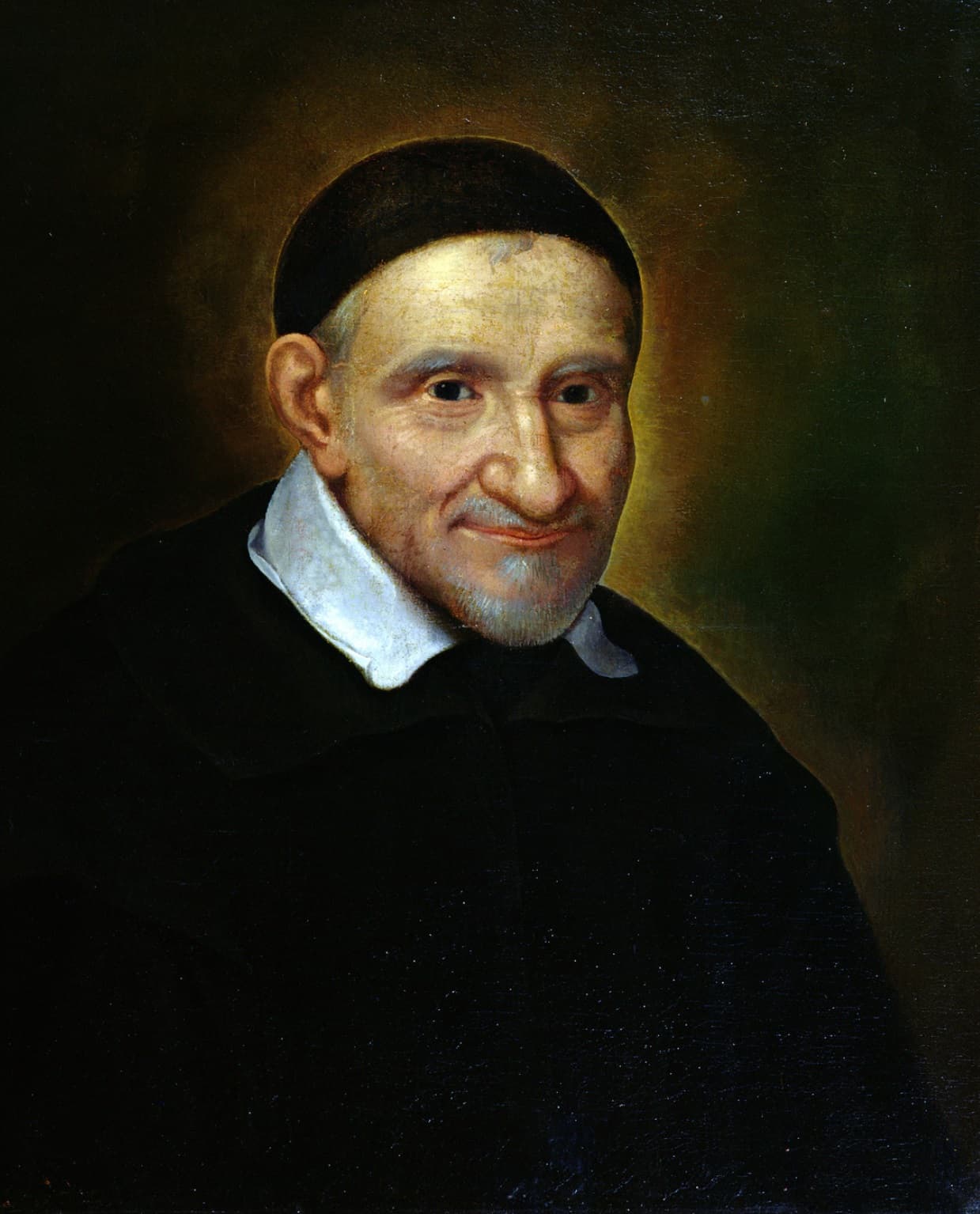
Artwork: portrait of Saint Vincent de Paul by Simon François de Tours, cropped. Public domain; image attribution and licensing information.
