Catholic saint biography
St. Peter Damian
- Commemoration:
- February 21
- Lived:
- Eleventh century — Ravenna, Italy
Why dates and liturgical observances can differ
Read the sources for this biography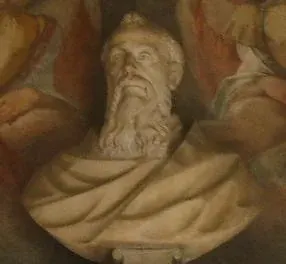
Biography
Peter Damian was a monk, church reformer, and theological writer from Ravenna. After a difficult childhood and education supported by his brother, he entered the community of Fonte Avellana. As prior, he promoted a disciplined life of solitude, prayer, and monastic renewal.
His brother Damiano's assistance is remembered in the name Peter adopted. At Fonte Avellana, his teaching attracted attention beyond his own community, and invitations to other monasteries followed. His reorganization of the hermitage and encouragement of new houses made monastic leadership the foundation of his wider responsibilities.
Pope Stephen IX called him to Rome in 1057 and made him cardinal and bishop of Ostia. His reforming work opposed the buying of church offices and failures of clerical discipline. Missions took him to Milan and Cluny; at Cluny he defended the abbots' rights against the archbishop of Mâcon.
He continued to value contemplative life while carrying out these public assignments. Returning from a peace mission to Ravenna, he died at Faenza. Popular recognition of his holiness followed, and Leo XII declared him a Doctor of the Church in 1828. His career connects the formation of religious communities with the difficult work of ecclesiastical reform.
Context & contribution
The tension between solitude and public responsibility
Peter Damian’s reform work repeatedly drew him away from the monastic setting he preferred. Requests for assistance from bishops and popes turned a contemplative vocation toward disputes involving clergy, institutions, and the exercise of authority. That tension is central to understanding his career.
The issues were concrete. Simony treated ecclesiastical office as something to buy, raising questions about whether pastoral responsibility served the community or private advantage. His involvement illustrates how reform required attention to structures as well as individual prayer. It should not be collapsed into later episodes of the investiture conflict that occurred after his death.
Explore the sources for this section
AI-assisted source comparison updated 2026-09-26. Editorial approach
From the Saint Discovery blog
Keep exploring your faith
Practical guides to prayer, the saints, and living the Catholic faith.
What Is the Domestic Church? John Paul II on Faith at Home
What Catholics mean by the domestic church, how John Paul II explained family life, and practical ways to begin with prayer, forgiveness and welcome.
Bring reflection into prayerRead the article Prayer & reflectionHow to Make a Spiritual Communion When You Cannot Receive
Learn how to make a spiritual communion, with a short original prayer and clear guidance on Mass, Confession, and times when you cannot receive.
Bring reflection into prayerRead the articleFrom reading to reflection
What will you carry with you?
After reading about St. Peter Damian, take a moment to consider:
- Why would buying a church office affect ordinary people even if they never witnessed the transaction?
These are reflection prompts from Saint Discovery, not quotations from the saint.
Sources and further reading
Biography source comparison recorded on . This is an AI-assisted comparison, not independent human or ecclesiastical approval.
What the recorded review covers
AI-assisted expansion using the linked historical and ecclesiastical sources; devotional traditions distinguished from documented history.
A source list helps you check an account; it does not establish that every claim is certain. Follow the biography’s qualifications about historical evidence, traditions and feast calendars.
Suggest a correction to this biography
How we research these pages and handle corrections · Directory corrections log
More lives to explore
Suggestions based on the site’s quiz themes, not a historical relationship or a measure of holiness.