Catholic saint biography
St. Paul Chông Hasang
- Commemoration:
- September 20
- Lived:
- Died 1839 — Korea
Roman memorial with Andrew Kim Taegon and the Korean martyrs.
Why dates and liturgical observances can differ
Read the sources for this biography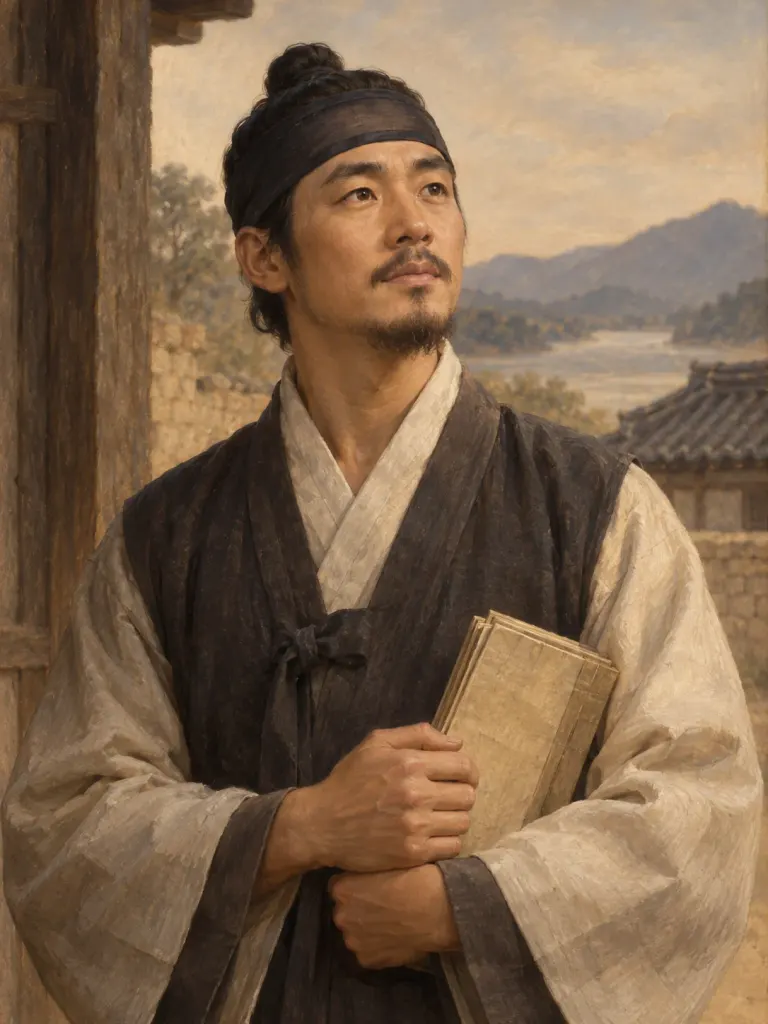
Biography
Paul Chông Hasang was a Korean lay Catholic whose family suffered in the early persecutions of the Church. As an adult he helped sustain the Christian community and traveled to China, where he sought clergy and formal ecclesiastical support for Korean believers.
His father and older brother were killed when Paul was still a child. Later, work as an interpreter enabled journeys to Beijing, where he represented the needs of Korean Catholics. His appeals included a request to the pope for an apostolic vicariate.
The community he served had grown through lay study of Christian writings before priests could minister there regularly. Paul's organizing work therefore belonged to a broader pattern of local initiative: believers maintained teaching, relationships, and communal life despite scarce access to clergy.
His efforts illustrate the decisive role of laypeople in the origins of Korean Catholicism. When arrested in 1839, he submitted a written defense of the faith but refused to renounce Christianity and was executed. John Paul II canonized him in 1984 with Andrew Kim Taegon and other Korean martyrs. Their shared September 20 memorial honors a community spanning different social positions and vocations.
Context & contribution
An argument addressed to the state
Paul’s written defense of Catholicism made an argument about public life as well as religious belief. In the appeal known as the Sangjae sangsŏ, he asked why Catholics were denied the tolerance extended to Buddhists and shamans. He urged officials to examine believers’ actual conduct and rejected the accusation that Catholic faith necessarily made people rebels or a danger to their families.
Historian Don Baker places this argument within a conflict over the state’s claim to supreme moral and ritual authority. Paul was asking authorities to distinguish religious disagreement from harmful behavior. Reading the appeal therefore adds something beyond the account of his execution: it preserves a Korean Catholic’s reasoned challenge to the grounds on which his community was being persecuted.
Explore the sources for this section
AI-assisted source comparison updated 2026-09-26. Editorial approach
From the Saint Discovery blog
Keep exploring your faith
Practical guides to prayer, the saints, and living the Catholic faith.
Why Do Catholics Pray to Saints? Intercession Explained
Why do Catholics pray to saints? Learn how intercession differs from worship, how it relates to Jesus, and a simple way to ask a saint to pray for you.
A next step with your saintRead the article Living the seasonsHow to Celebrate Your Patron Saint's Feast Day at Home
Celebrate your patron saint's feast day with prayer, a short biography, and an act of kindness. A practical plan for families, sponsors, and individuals.
A next step with your saintRead the articleFrom reading to reflection
What will you carry with you?
After reading about St. Paul Chông Hasang, take a moment to consider:
- List the tests Paul proposed for judging Catholics’ public conduct. Discuss how his appeal separates disagreement with a religion from evidence that its followers harm their neighbors.
These are reflection prompts from Saint Discovery, not quotations from the saint.
Sources and further reading
Biography source comparison recorded on . This is an AI-assisted comparison, not independent human or ecclesiastical approval.
What the recorded review covers
AI-assisted expansion using the linked historical and ecclesiastical sources; devotional traditions distinguished from documented history.
A source list helps you check an account; it does not establish that every claim is certain. Follow the biography’s qualifications about historical evidence, traditions and feast calendars.
Suggest a correction to this biography
How we research these pages and handle corrections · Directory corrections log
More lives to explore
Suggestions based on the site’s quiz themes, not a historical relationship or a measure of holiness.