Catholic saint biography
St. Óscar Arnulfo Romero
- Commemoration:
- March 24
- Lived:
- 1917–1980 — El Salvador
Why dates and liturgical observances can differ
Read the sources for this biography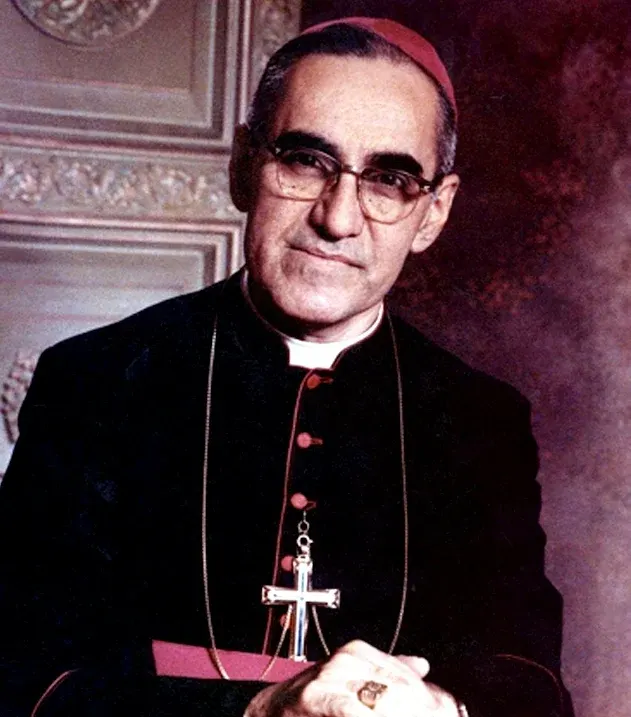
Biography
Óscar Romero was archbishop of San Salvador during a period of escalating repression and political violence in El Salvador. His preaching defended people whose suffering was ignored and made the responsibilities of Christian conscience a public concern.
Born in 1917, he studied for the priesthood and was ordained in Rome in 1942. Parish ministry, seminary leadership, and service as a bishop preceded his appointment to San Salvador in 1977. Soon afterward, the murder of his friend Rutilio Grande and two companions confronted him directly with the dangers facing rural communities and church workers.
Romero's radio homilies reported disappearances and killings and challenged violence from opposing political forces. His defense of the poor did not amount to an endorsement of armed struggle. He called for conversion expressed in concrete responsibility toward other people, including the refusal to carry out unjust orders.
On March 24, 1980, he was shot while celebrating Mass in a hospital chapel. Pope Francis canonized him in 2018. His feast marks the anniversary of his death. Romero's biography is grounded in a documented pastoral ministry and the costly decision to speak publicly for people exposed to intimidation and abuse.
Context & contribution
The pastoral importance of naming suffering
Romero’s broadcasts made individual disappearances, torture, and killings part of a shared public record. Vatican News describes homilies that joined preaching to accounts of what was happening to his people. This use of a familiar medium gave listeners access to a voice that treated the lives of threatened people as worthy of public attention.
His appeal to soldiers’ consciences also made a precise moral distinction: an order does not become just merely because someone in authority issues it. The same account notes his criticism of violence by both government and guerrilla forces. His defense of the poor should therefore be studied through what he actually preached, rather than reduced to an endorsement of any armed faction.
Explore the sources for this section
AI-assisted source comparison updated 2026-09-26. Editorial approach
From the Saint Discovery blog
Keep exploring your faith
Practical guides to prayer, the saints, and living the Catholic faith.
St. Josephine Bakhita: Hope Without Denying Suffering
Learn what St. Josephine Bakhita teaches about Christian hope, dignity, and freedom, with practical reflection prompts and an original prayer.
Faith in difficult timesRead the article Meet the saintsWhy Is St. Thérèse the Patron Saint of Missions?
Why is St. Thérèse patron saint of missions? Discover her support for missionaries and practical ways to participate in the Church's mission from home.
Sharing the faithRead the articleFrom reading to reflection
What will you carry with you?
After reading about St. Óscar Arnulfo Romero, take a moment to consider:
- Discuss the difference between reporting a person’s suffering and using it to attack an opponent. What would careful, responsible public attention require?
These are reflection prompts from Saint Discovery, not quotations from the saint.
Sources and further reading
Biography source comparison recorded on . This is an AI-assisted comparison, not independent human or ecclesiastical approval.
What the recorded review covers
AI-assisted expansion using the linked historical and ecclesiastical sources; devotional traditions distinguished from documented history.
A source list helps you check an account; it does not establish that every claim is certain. Follow the biography’s qualifications about historical evidence, traditions and feast calendars.
Suggest a correction to this biography
How we research these pages and handle corrections · Directory corrections log
More lives to explore
Suggestions based on the site’s quiz themes, not a historical relationship or a measure of holiness.