Catholic saint biography
St. Matthew the Apostle
- Commemoration:
- September 21
- Lived:
- First century — Galilee
Why dates and liturgical observances can differ
Read the sources for this biography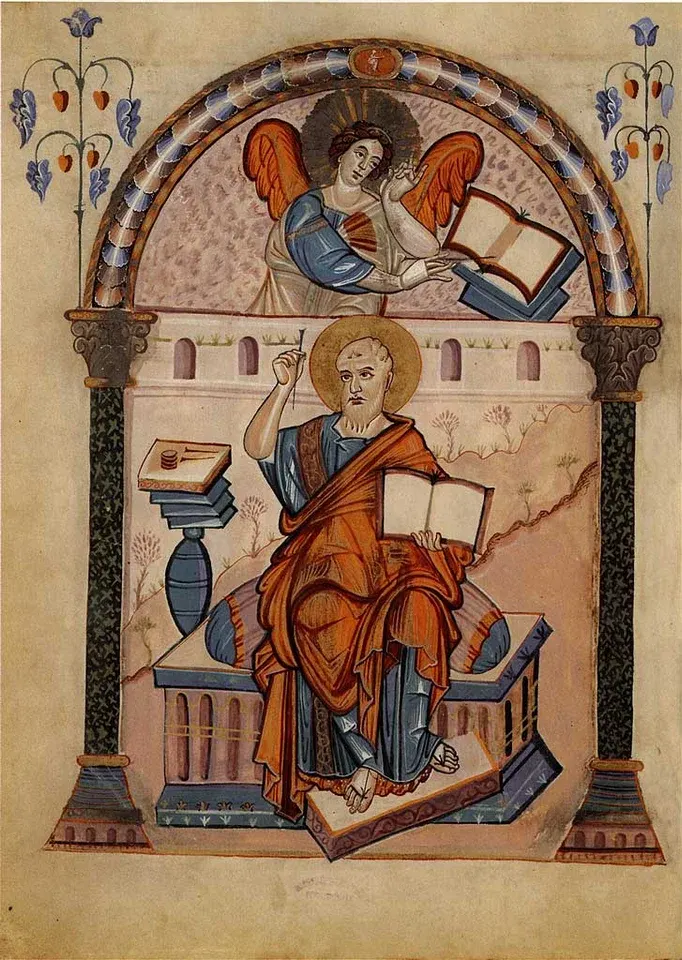
Biography
Matthew appears among the Twelve apostles and is associated in the Gospel tradition with a tax collector called from his work to follow Jesus. The meal that follows the call becomes an occasion for Jesus to explain his mission to sinners. Christian tradition identifies Matthew with Levi in parallel accounts.
Tax collection carried social and political associations that help explain the reaction to Jesus' meal with publicans. The call is presented as a change in allegiance and daily life. Its meaning does not depend on knowing the exact amount Matthew collected or inventing the conversation that preceded the encounter.
The Gospel bearing his name strongly emphasizes Jesus' relationship to Israel's Scriptures and the fulfillment of God's promises. Later traditions supply journeys and martyrdom stories that cannot all be verified or reconciled. His secure importance lies in the apostolic lists and the Christian reception of the Gospel attributed to him. The Western Church celebrates him on September 21.
The Gospel's sustained use of Israel's Scriptures gives it a distinctive theological shape. That literary character is firmer evidence than mutually inconsistent later itineraries attributed to the apostle. His usual human or angelic symbol in Christian art refers to the evangelist tradition; it is not a portrait derived from a contemporary description.
Context & contribution
A Gospel organized for teaching
The Gospel associated with Matthew arranges much of Jesus' teaching into five major discourses: the Sermon on the Mount, instruction for mission, parables, teaching on community life, and teaching about the end. Recurring concluding formulas mark these sections, each paired with preceding narrative material.
This organization is a concrete part of the evangelist's literary legacy. Readers are asked to consider actions and instruction together, moving from the life of discipleship to mission, communal responsibility, and final accountability. Recognizing the pattern helps prevent a collection of familiar sayings from losing its larger design. It is evidence available in the Gospel itself, regardless of uncertainty about later journeys attributed to the apostle.
Explore the sources for this section
AI-assisted source comparison updated 2026-09-26. Editorial approach
From the Saint Discovery blog
Keep exploring your faith
Practical guides to prayer, the saints, and living the Catholic faith.
Why Did Jesus Call Matthew the Tax Collector?
Why did Jesus call Matthew the tax collector? Explore Matthew 9:9–13, the meaning of mercy, his September 21 feast, and practical reflection questions.
Connected to this saintRead the article Meet the saintsWhy Is Saint Luke's Symbol an Ox? Meaning and Biblical Roots
Discover why Saint Luke's symbol is a winged ox, its biblical roots, and how the image connects his Gospel with priesthood and sacrifice.
Go deeper into ScriptureRead the articleFrom reading to reflection
What will you carry with you?
After reading about St. Matthew the Apostle, take a moment to consider:
- Create a five-part reading plan for Matthew's discourses and give each section a question that the preceding narrative helps answer.
These are reflection prompts from Saint Discovery, not quotations from the saint.
Sources and further reading
Biography source comparison recorded on . This is an AI-assisted comparison, not independent human or ecclesiastical approval.
What the recorded review covers
AI-assisted expansion of the existing source-reviewed biography with comparison to retrieved cited sources; not ecclesiastical approval
A source list helps you check an account; it does not establish that every claim is certain. Follow the biography’s qualifications about historical evidence, traditions and feast calendars.
Suggest a correction to this biography
How we research these pages and handle corrections · Directory corrections log
More lives to explore
Suggestions based on the site’s quiz themes, not a historical relationship or a measure of holiness.