Catholic saint biography
St. Martin de Porres
- Commemoration:
- November 3
- Lived:
- 1579–1639 — Lima, Peru
Why dates and liturgical observances can differ
Read the sources for this biography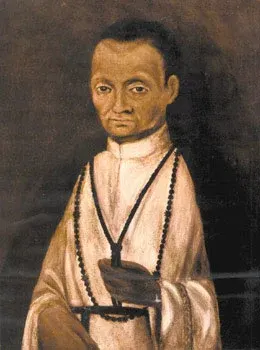
Biography
Martin de Porres was born in Lima to a Spanish father and a formerly enslaved mother of African descent. He learned medical skills through work associated with a barber-surgeon and entered a Dominican house initially as a lay helper. Racial prejudice shaped the opportunities available to him.
As a young man he gained practical knowledge through contact with pharmacists and a barber-surgeon's workshop. In that period such work included healing tasks now associated with separate professions. These skills became useful within the Dominican house and in service to people who could not readily obtain care.
He eventually became a professed lay brother and used his skills to care for sick friars and people beyond the convent. His reputation for humility, practical charity, and prayer grew throughout Lima. Later accounts include many miraculous stories, but his sustained service is central to his memory. He died in 1639 and is celebrated on November 3.
His initial position as a helper involved cleaning and other low-status duties. Later profession did not remove the social prejudices around him, but it gave a stable religious form to his service. Stories of wonders should not hide this combination of acquired skill, community labor, and the racial barriers of colonial Lima.
Context & contribution
Remembered as an adviser and mediator
John XXIII's address to pilgrims after Martin's canonization widened the familiar image of the convent infirmarian. It recalled novices seeking his help with doubts, senior friars asking his advice, and his efforts to reconcile married couples and settle enmities. The pope thus presented a lay brother exercising influence through counsel as well as physical care.
This 1962 address is evidence of the Church's interpretation of Martin's legacy, rather than a contemporary transcript of particular conversations in seventeenth-century Lima. Its emphasis is nevertheless significant: the man often pictured with a broom was remembered as someone whose judgment others trusted. His service included the repair of relationships inside and outside the religious house.
Explore the sources for this section
AI-assisted source comparison updated 2026-09-26. Editorial approach
From the Saint Discovery blog
Keep exploring your faith
Practical guides to prayer, the saints, and living the Catholic faith.
Why Do Catholics Pray to Saints? Intercession Explained
Why do Catholics pray to saints? Learn how intercession differs from worship, how it relates to Jesus, and a simple way to ask a saint to pray for you.
A next step with your saintRead the article Living the seasonsHow to Celebrate Your Patron Saint's Feast Day at Home
Celebrate your patron saint's feast day with prayer, a short biography, and an act of kindness. A practical plan for families, sponsors, and individuals.
A next step with your saintRead the articleFrom reading to reflection
What will you carry with you?
After reading about St. Martin de Porres, take a moment to consider:
- Compare the roles of infirmarian and mediator in John XXIII's portrait of Martin; identify a skill needed in both and one distinctive to each.
These are reflection prompts from Saint Discovery, not quotations from the saint.
Sources and further reading
Biography source comparison recorded on . This is an AI-assisted comparison, not independent human or ecclesiastical approval.
What the recorded review covers
AI-assisted expansion of the existing source-reviewed biography with comparison to retrieved cited sources; not ecclesiastical approval
A source list helps you check an account; it does not establish that every claim is certain. Follow the biography’s qualifications about historical evidence, traditions and feast calendars.
Suggest a correction to this biography
How we research these pages and handle corrections · Directory corrections log
More lives to explore
Suggestions based on the site’s quiz themes, not a historical relationship or a measure of holiness.