Catholic saint biography
St. John Baptist de La Salle
- Commemoration:
- April 7
- Patron Saint of:
- Christian educators
- Lived:
- 1651–1719 — Reims, France
Roman memorial; the Brothers' Institute also celebrates May 15.
Why dates and liturgical observances can differ
Read the sources for this biography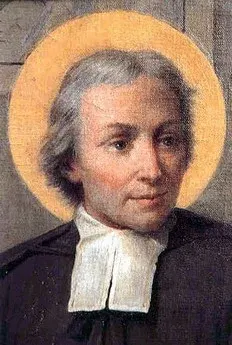
Biography
Saint John Baptist de La Salle was a French priest who helped make education available to children excluded by poverty. His partnership with teachers became the Brothers of the Christian Schools and an enduring movement in Catholic education.
Born into a wealthy family at Reims, he had a secure future as a cathedral canon. Encounters with teachers and the needs of poor boys redirected that future. He moved into community with the teachers, relinquished his position, and committed his resources to their work.
His schools used the language children spoke, grouped pupils for effective instruction, and joined religious teaching with practical subjects. Preparing teachers became as important as opening classrooms. Initiatives also included courses for working young men and provision for young people requiring particular support.
The new community faced opposition from both church authorities and established educational interests. De La Salle persisted in building a stable association of religious brothers dedicated to teaching. He died in 1719, was canonized in 1900, and was named patron of educators in 1950. His legacy lies in treating accessible schooling and the formation of capable teachers as a shared religious responsibility.
Context & contribution
Why free schooling challenged established interests
The Brothers' history notes that De La Salle insisted on free schooling even for pupils whose families could have paid. That principle could bring his schools into conflict with established educational interests. The issue was therefore more specific than a general desire to assist poor children: it concerned how a school defined access and financed its common work.
The new community also consisted of consecrated laymen rather than an association of priests. Its teaching mission required a recognized form of religious life organized around shared responsibility for schools. These two commitments—gratuitous access and the brothers' collective vocation—help explain why educational reform brought institutional opposition as well as classroom innovation.
Explore the sources for this section
AI-assisted source comparison updated 2026-09-26. Editorial approach
From the Saint Discovery blog
Keep exploring your faith
Practical guides to prayer, the saints, and living the Catholic faith.
Why Do Catholics Pray to Saints? Intercession Explained
Why do Catholics pray to saints? Learn how intercession differs from worship, how it relates to Jesus, and a simple way to ask a saint to pray for you.
A next step with your saintRead the article Living the seasonsHow to Celebrate Your Patron Saint's Feast Day at Home
Celebrate your patron saint's feast day with prayer, a short biography, and an act of kindness. A practical plan for families, sponsors, and individuals.
A next step with your saintRead the articleFrom reading to reflection
What will you carry with you?
After reading about St. John Baptist de La Salle, take a moment to consider:
- Discuss the consequences of a school charging no pupil fees, including families able to pay. Connect that policy with De La Salle's effort to form a stable community of teachers.
These are reflection prompts from Saint Discovery, not quotations from the saint.
Sources and further reading
Biography source comparison recorded on . This is an AI-assisted comparison, not independent human or ecclesiastical approval.
What the recorded review covers
AI-assisted expansion checked against cited sources; historical traditions distinguished from documented evidence; not ecclesiastical approval
A source list helps you check an account; it does not establish that every claim is certain. Follow the biography’s qualifications about historical evidence, traditions and feast calendars.
Suggest a correction to this biography
How we research these pages and handle corrections · Directory corrections log
More lives to explore
Suggestions based on the site’s quiz themes, not a historical relationship or a measure of holiness.