Catholic saint biography
St. Edward the Confessor
- Commemoration:
- October 13
- Lived:
- About 1003–1066 — England; long exile in Normandy
October 13 marks the translation of his relics; death anniversary January 5.
Why dates and liturgical observances can differ
Read the sources for this biography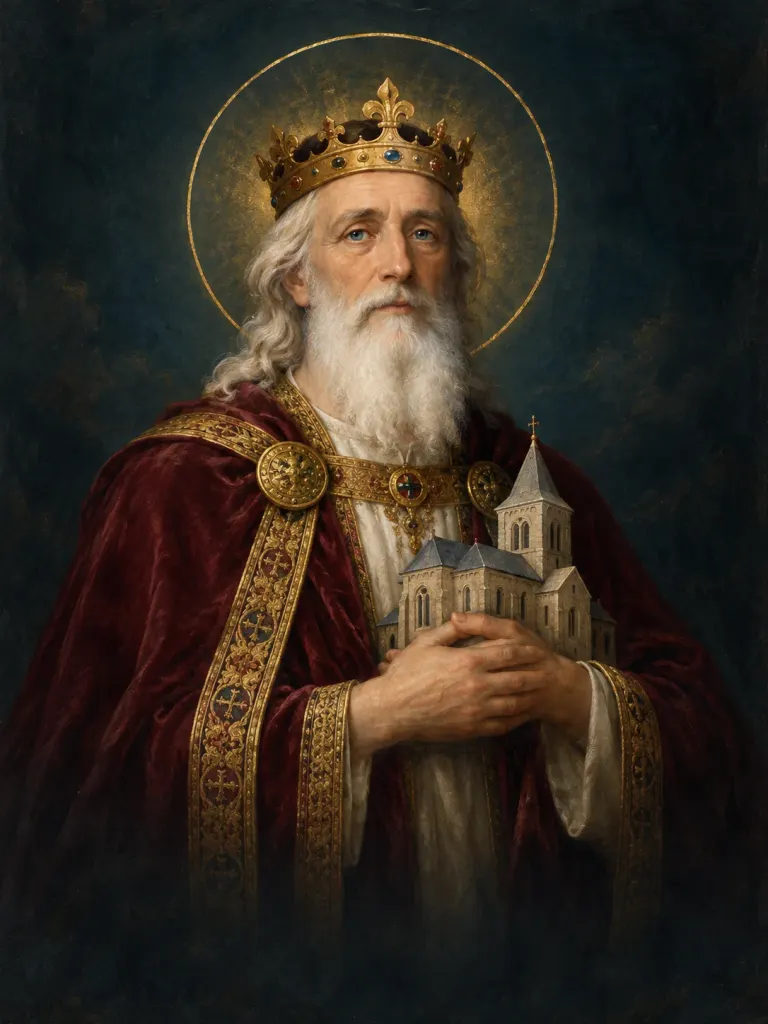
Biography
Edward the Confessor ruled England from 1042 until his death in January 1066. His religious legacy is especially visible at Westminster Abbey, which he rebuilt and where his shrine remains central to the church's history.
Exile in Normandy shaped much of his early life. After returning to England and becoming king, he had to negotiate with powerful noble families. His marriage to Edith, daughter of Earl Godwin, linked him to one of the most influential households in the kingdom.
Edward's Westminster church was dedicated on December 28, 1065, when illness prevented him from attending. He died days later and was buried there. Edith commissioned a Life that helped preserve his memory; accounts of his reign must distinguish this commemorative purpose from an impartial political assessment.
Canonized in 1161, Edward acquired a rich body of miracle traditions, including the story of a ring given to a beggar identified as John the Evangelist. His remains were transferred to a shrine on October 13, 1163, the date of his principal observance. The title Confessor distinguishes his witness from martyrdom, while the later shrine connects royal devotion, pilgrimage, and Westminster's architectural history.
Context & contribution
The shrine as a later act of kingship
Henry III commissioned Edward's costly new shrine, completed in 1269 with Italian craftspeople and Cosmati mosaic work. Henry and members of his family carried the coffin during the translation. This was both an act of devotion and a highly visible statement about the model of kingship they wished to honor.
The shrine's recesses accommodated pilgrims praying for healing. Its design therefore served people beyond the royal household, while later damage and restoration record major changes in English religious life. What a visitor sees belongs to several centuries of Edward's reception, rather than to a monument built during his own reign.
Explore the sources for this section
AI-assisted source comparison updated 2026-09-26. Editorial approach
From the Saint Discovery blog
Keep exploring your faith
Practical guides to prayer, the saints, and living the Catholic faith.
Why Do Catholics Pray to Saints? Intercession Explained
Why do Catholics pray to saints? Learn how intercession differs from worship, how it relates to Jesus, and a simple way to ask a saint to pray for you.
A next step with your saintRead the article Living the seasonsHow to Celebrate Your Patron Saint's Feast Day at Home
Celebrate your patron saint's feast day with prayer, a short biography, and an act of kindness. A practical plan for families, sponsors, and individuals.
A next step with your saintRead the articleFrom reading to reflection
What will you carry with you?
After reading about St. Edward the Confessor, take a moment to consider:
- Study the shrine's pilgrim recesses and royal setting. Explain how one monument could serve both an individual petition and a public image of monarchy.
These are reflection prompts from Saint Discovery, not quotations from the saint.
Sources and further reading
Biography source comparison recorded on . This is an AI-assisted comparison, not independent human or ecclesiastical approval.
What the recorded review covers
AI-assisted expansion checked against cited sources; historical traditions distinguished from documented evidence; not ecclesiastical approval
A source list helps you check an account; it does not establish that every claim is certain. Follow the biography’s qualifications about historical evidence, traditions and feast calendars.
Suggest a correction to this biography
How we research these pages and handle corrections · Directory corrections log
More lives to explore
Suggestions based on the site’s quiz themes, not a historical relationship or a measure of holiness.