Catholic saint biography
St. Cyril of Jerusalem
- Commemoration:
- March 18
- Lived:
- About 315–386 — Jerusalem and its region
Why dates and liturgical observances can differ
Read the sources for this biography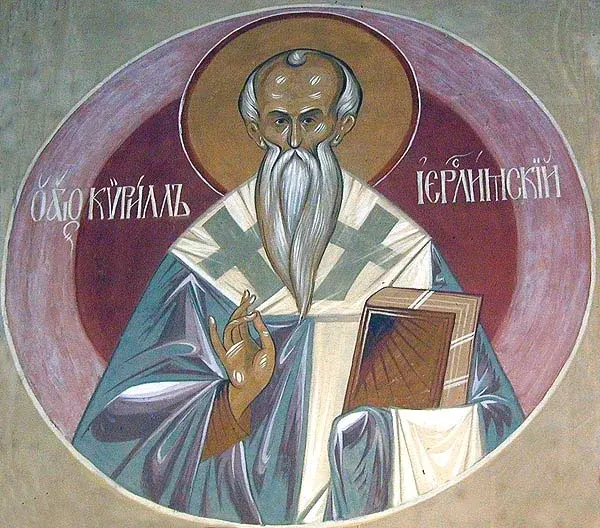
Biography
Cyril was educated near Jerusalem, ordained a priest, and became bishop around 348. His ministry unfolded amid disputes about the Nicene faith and the authority of neighboring bishops. Conflict with Acacius of Caesarea led to repeated periods of exile, but Cyril eventually returned to his see.
His teaching approached Christian belief as a preparation for an actual change of life. Candidates learned Scripture and the creed before receiving the sacraments; instruction associated with the newly baptized then explained the worship they had experienced. Jerusalem’s liturgical setting gave this formation a particularly concrete shape.
Cyril’s exile was prolonged as well as repeated. His final absence lasted eleven years, ending after Emperor Valens died in 378. Although opponents questioned his doctrinal loyalties, the bishops’ synodal letter of 382 affirmed his orthodoxy and recognized his service to the Jerusalem church.
His enduring importance rests especially on catechetical teaching addressed to people preparing for baptism and to newly initiated Christians. These instructions explain the creed, repentance, and the sacraments within the setting of Jerusalem's worship. The collection associated with him is a major witness to fourth-century Christian formation. He participated in the Council of Constantinople in 381 and is honored as a Doctor of the Church.
Context & contribution
Learning from a rite already experienced
The mystagogical lectures associated with Cyril explain baptism through remembered actions. The descent into water and emergence from it are interpreted in relation to Christ's burial and resurrection. Water becomes an image of both grave and birth, allowing the bodily experience of the rite to carry theological meaning.
This teaching belongs to the instruction of the newly baptized during Easter week. Its sequence is educationally significant: participation is followed by explanation that helps people recognize what they have experienced. Together with teaching on chrism, the Eucharist, and the Lord's Prayer, the lectures show how belief, physical action, and communal worship were brought into conversation in fourth-century Jerusalem.
Explore the sources for this section
AI-assisted source comparison updated 2026-09-26. Editorial approach
From the Saint Discovery blog
Keep exploring your faith
Practical guides to prayer, the saints, and living the Catholic faith.
Why Do Catholics Pray to Saints? Intercession Explained
Why do Catholics pray to saints? Learn how intercession differs from worship, how it relates to Jesus, and a simple way to ask a saint to pray for you.
A next step with your saintRead the article Living the seasonsHow to Celebrate Your Patron Saint's Feast Day at Home
Celebrate your patron saint's feast day with prayer, a short biography, and an act of kindness. A practical plan for families, sponsors, and individuals.
A next step with your saintRead the articleFrom reading to reflection
What will you carry with you?
After reading about St. Cyril of Jerusalem, take a moment to consider:
- Read the second mystagogical lecture's water imagery and discuss what a person can learn after participating in a rite that an advance explanation might not convey.
These are reflection prompts from Saint Discovery, not quotations from the saint.
Sources and further reading
Biography source comparison recorded on . This is an AI-assisted comparison, not independent human or ecclesiastical approval.
What the recorded review covers
AI-assisted expansion checked against retrieved historical and institutional sources; traditions distinguished from documented history; not ecclesiastical approval
A source list helps you check an account; it does not establish that every claim is certain. Follow the biography’s qualifications about historical evidence, traditions and feast calendars.
Suggest a correction to this biography
How we research these pages and handle corrections · Directory corrections log
More lives to explore
Suggestions based on the site’s quiz themes, not a historical relationship or a measure of holiness.