Catholic saint biography
St. Cyril of Alexandria
- Commemoration:
- June 27
- Lived:
- About 370–444 — Alexandria, Egypt
June 27 Roman commemoration; Eastern calendars vary.
Why dates and liturgical observances can differ
Read the sources for this biography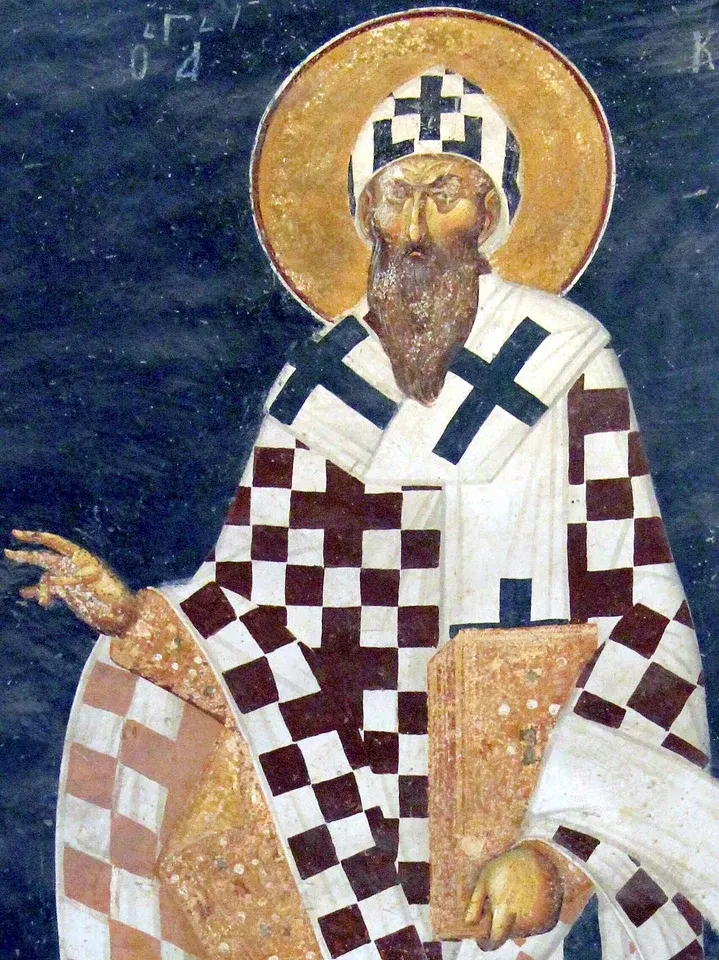
Biography
Cyril became bishop of Alexandria in 412 and led that influential church for more than three decades. He wrote biblical commentaries and theological works, but is especially associated with the controversy over Nestorius and the Council of Ephesus in 431. He defended the unity of Christ's person and the use of Theotokos, Mother of God, for Mary.
Little is securely known about Cyril’s youth. He entered ecclesiastical life within the circle of his uncle Theophilus, his predecessor at Alexandria. The city’s influential theological tradition supplied both his intellectual resources and the institutional setting for his later conflicts with Constantinople.
For Cyril, calling Mary Mother of God concerned the identity of Jesus: the one born of her is the divine Word truly become human. His argument did not make Mary the origin of divinity. Biblical interpretation and appeal to earlier Christian teachers underpinned this defense of the incarnation.
His forceful leadership also belonged to a contentious world of ecclesiastical rivalry and imperial politics. After the council he worked toward a doctrinal agreement with John of Antioch, reached in 433. His writings became important resources for later discussion of Christ's humanity and divinity. Honored in Eastern and Western Christianity, he is a Catholic Doctor of the Church.
Context & contribution
A theological library wider than one controversy
Cyril's literary contribution extends well beyond the dispute with Nestorius. His commentaries treat the Pentateuch, Isaiah, Psalms, and the Gospels of John and Luke. Their breadth matters: the theology associated with him developed through sustained interpretation of Scripture, rather than only through statements produced for a council.
His books Against Julian address a different audience and problem, answering an emperor's earlier attack on Christianity. Together, biblical commentary and apologetic argument show a writer working across several fronts: teaching the church's texts, defending its claims, and engaging inherited criticism. Translations into Latin and eastern languages during his lifetime helped carry this work beyond Alexandria and made it available to later theological debates.
Explore the sources for this section
AI-assisted source comparison updated 2026-09-26. Editorial approach
From the Saint Discovery blog
Keep exploring your faith
Practical guides to prayer, the saints, and living the Catholic faith.
Why Is Saint Luke's Symbol an Ox? Meaning and Biblical Roots
Discover why Saint Luke's symbol is a winged ox, its biblical roots, and how the image connects his Gospel with priesthood and sacrifice.
Go deeper into ScriptureRead the article Prayer & reflectionHow to Pray the Jesus Prayer: A Catholic Beginner's Guide
Learn the Jesus Prayer, its Eastern Christian roots and biblical meaning, with a simple Catholic practice focused on Christ and mercy.
Go deeper into ScriptureRead the articleFrom reading to reflection
What will you carry with you?
After reading about St. Cyril of Alexandria, take a moment to consider:
- Compare the likely readers of Cyril's Gospel commentaries and Against Julian: how would their different needs change the way he argued?
These are reflection prompts from Saint Discovery, not quotations from the saint.
Sources and further reading
Biography source comparison recorded on . This is an AI-assisted comparison, not independent human or ecclesiastical approval.
What the recorded review covers
AI-assisted expansion checked against retrieved historical and institutional sources; traditions distinguished from documented history; not ecclesiastical approval
A source list helps you check an account; it does not establish that every claim is certain. Follow the biography’s qualifications about historical evidence, traditions and feast calendars.
Suggest a correction to this biography
How we research these pages and handle corrections · Directory corrections log
More lives to explore
Suggestions based on the site’s quiz themes, not a historical relationship or a measure of holiness.