Catholic saint biography
St. Charles Borromeo
- Commemoration:
- November 4
- Lived:
- Born 1538; sixteenth century — Arona and Milan, Italy
Why dates and liturgical observances can differ
Read the sources for this biography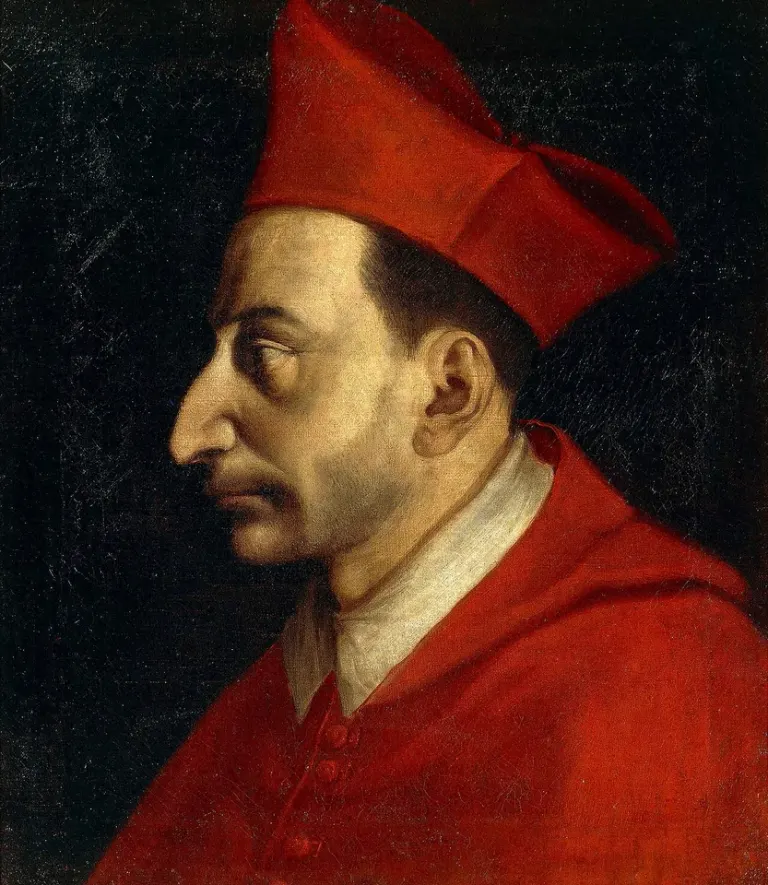
Biography
Charles Borromeo studied civil and canon law before becoming a priest and bishop in 1563. He was closely involved in the Catholic reform associated with the Council of Trent and contributed to the work that produced its catechism.
Born at Arona in 1538, Charles received ecclesiastical honors while still young and belonged to a powerful family. His later decision to pursue priesthood continued despite pressure to assume family leadership after his brother’s death. The transition required a commitment beyond the advantages of rank.
Residence in Milan gave reform an everyday setting. Visiting parishes and improving clerical formation turned council decisions into local practices. His use of family wealth for charitable purposes also connected institutional reform with responsibility for people whose needs could not be met by rules alone.
After taking up residence in Milan, he made repeated pastoral visits, organized diocesan life, and established seminaries to improve the formation of priests. His work also included schools, hospitals, and assistance to people in need. His legacy is especially connected with putting church reform into practical effect through the responsibilities of a resident bishop.
Context & contribution
Epidemic care and civic memory
The plague of 1576–1577 gave Charles's pastoral reforms an immediate material test. The Vatican's account describes him remaining available to sufferers and using his resources for relief. His remembered response joins the administrative work of a bishop to the practical costs of caring for a city in crisis.
The epidemic became closely associated with his name in Milanese memory. Alessandro Manzoni later referred to the plague of Saint Charles in The Betrothed, distinguishing that earlier outbreak from the novel's seventeenth-century setting. Such literary remembrance is part of Charles's legacy: a bishop's conduct became a reference point through which later generations discussed responsibility during public disaster.
Explore the sources for this section
AI-assisted source comparison updated 2026-09-26. Editorial approach
From the Saint Discovery blog
Keep exploring your faith
Practical guides to prayer, the saints, and living the Catholic faith.
Why Do Catholics Pray to Saints? Intercession Explained
Why do Catholics pray to saints? Learn how intercession differs from worship, how it relates to Jesus, and a simple way to ask a saint to pray for you.
A next step with your saintRead the article Living the seasonsHow to Celebrate Your Patron Saint's Feast Day at Home
Celebrate your patron saint's feast day with prayer, a short biography, and an act of kindness. A practical plan for families, sponsors, and individuals.
A next step with your saintRead the articleFrom reading to reflection
What will you carry with you?
After reading about St. Charles Borromeo, take a moment to consider:
- Identify the resources Charles could mobilize as bishop during an epidemic, then distinguish direct relief from the longer work of organizing a city's response.
These are reflection prompts from Saint Discovery, not quotations from the saint.
Sources and further reading
Biography source comparison recorded on . This is an AI-assisted comparison, not independent human or ecclesiastical approval.
What the recorded review covers
AI-assisted expansion checked against retrieved historical and institutional sources; traditions distinguished from documented history; not ecclesiastical approval
A source list helps you check an account; it does not establish that every claim is certain. Follow the biography’s qualifications about historical evidence, traditions and feast calendars.
Suggest a correction to this biography
How we research these pages and handle corrections · Directory corrections log
More lives to explore
Suggestions based on the site’s quiz themes, not a historical relationship or a measure of holiness.