Catholic saint biography
St. Charles of Mount Argus
- Commemoration:
- January 5
- Lived:
- 1821–1893 — Munstergeleen, Netherlands; ministry in Ireland
Why dates and liturgical observances can differ
Read the sources for this biography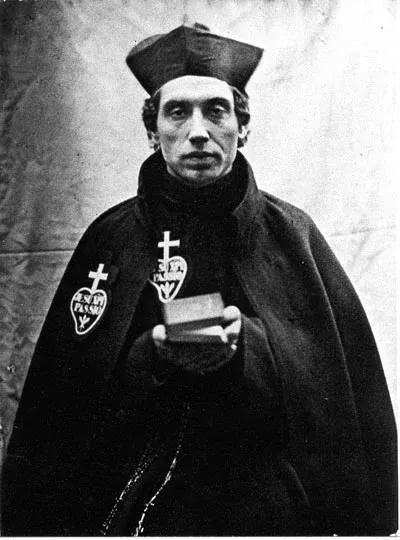
Biography
Born Johannes Andreas Houben in the Netherlands, Charles encountered the Passionist congregation during military service and entered it in 1845. Ordained in 1850, he worked first in England before moving to Mount Argus near Dublin in 1856. His religious name was Charles of Saint Andrew, but the Irish people came to know him by the name of his monastery.
His encounter with the Passionists came through a fellow soldier whose brother belonged to the congregation. Military service thus became an unexpected point of contact with his later vocation. His formation and ordination were followed by assignments outside his native country.
Language limitations shaped his pastoral work. Individual counsel offered ways to serve when formal preaching was difficult. His popularity in Ireland grew through personal encounters and through the community’s recollection of his prayer for the sick.
Because he never became fluent enough in English for formal preaching, his ministry centered on confession, spiritual counsel, and blessing the sick. Large numbers sought his help, and reports of healings contributed to his reputation. After a period back in England, he returned to Dublin and died on January 5, 1893. Benedict XVI canonized him in 2007.
Context & contribution
The pastoral burden of a growing reputation
Charles's reputation created difficulties as well as opportunities for ministry. The Dicastery's biography records that he was sent to England in 1866 to gain some quiet, but visitors continued to seek him there. They included people outside the Catholic Church, and his reputation eventually reached correspondents in places as distant as America and Australia.
These details place his work within a widening network of personal requests rather than a single Dublin setting. A small crucifix and devotion to Christ's Passion remained central to his pastoral presence. The episode also suggests a human cost of religious fame: a community had to consider the health and circumstances of the man whose availability so many people desired.
Explore the sources for this section
AI-assisted source comparison updated 2026-09-26. Editorial approach
From the Saint Discovery blog
Keep exploring your faith
Practical guides to prayer, the saints, and living the Catholic faith.
Why Do Catholics Pray to Saints? Intercession Explained
Why do Catholics pray to saints? Learn how intercession differs from worship, how it relates to Jesus, and a simple way to ask a saint to pray for you.
A next step with your saintRead the article Living the seasonsHow to Celebrate Your Patron Saint's Feast Day at Home
Celebrate your patron saint's feast day with prayer, a short biography, and an act of kindness. A practical plan for families, sponsors, and individuals.
A next step with your saintRead the articleFrom reading to reflection
What will you carry with you?
After reading about St. Charles of Mount Argus, take a moment to consider:
- Discuss the decision to send Charles to England for quiet: how should a religious community balance public requests with a minister's need for rest?
These are reflection prompts from Saint Discovery, not quotations from the saint.
Sources and further reading
Biography source comparison recorded on . This is an AI-assisted comparison, not independent human or ecclesiastical approval.
What the recorded review covers
AI-assisted expansion checked against retrieved historical and institutional sources; traditions distinguished from documented history; not ecclesiastical approval
A source list helps you check an account; it does not establish that every claim is certain. Follow the biography’s qualifications about historical evidence, traditions and feast calendars.
Suggest a correction to this biography
How we research these pages and handle corrections · Directory corrections log
More lives to explore
Suggestions based on the site’s quiz themes, not a historical relationship or a measure of holiness.