Catholic saint biography
St. Basil the Elder
- Commemoration:
- May 30
- Lived:
- Fourth century — Cappadocia and Pontus
Why dates and liturgical observances can differ
Read the sources for this biography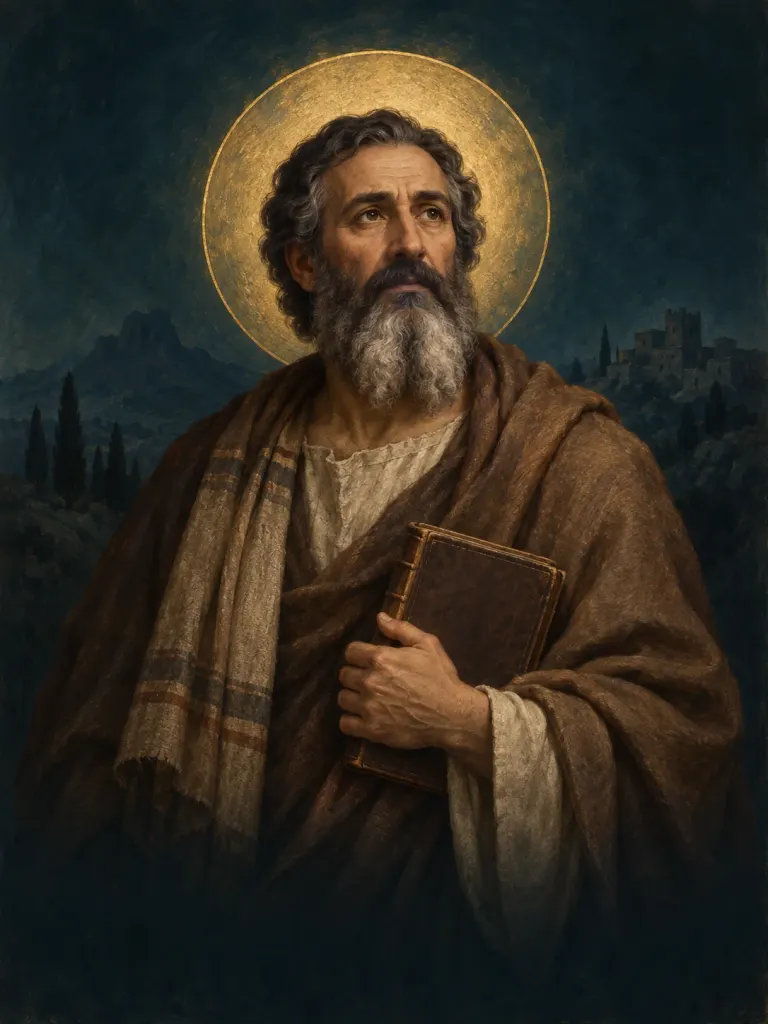
Biography
Basil the Elder was a Christian teacher associated with Caesarea in Cappadocia and the husband of Emmelia. Their children included Basil the Great, Gregory of Nyssa, Peter of Sebaste, and Macrina.
His teaching provided a setting in which religious formation and intellectual life could develop together. Accounts of his son’s childhood remember both a father’s instruction and the influence of the older Macrina. The family’s later importance rested on this shared inheritance rather than on one isolated personality.
Basil the Elder was a layman, not the bishop of Caesarea who wrote the celebrated theological works. The repeated family names make that distinction particularly important. His memory is connected with Emmelia and their children, while the sources preserve less about his own public career.
He is remembered through the religious formation of this influential family. Accounts differ in assigning persecution and exile to particular generations, so detailed chronologies require caution. He is distinct from his son Basil the Great, the bishop and theologian. Basil and Emmelia are commemorated on May 30.
Context & contribution
A family transmitted an older Christian inheritance
Basil the Elder's household stood within a chain of instruction that included the elder Macrina's memory of Gregory Thaumaturgus. This connection matters because the later Cappadocian theologians did not begin with university education alone. Religious habits and local traditions reached them through family relationships.
His reputation as a teacher at Caesarea gives that domestic setting an intellectual dimension. The sources distinguish him as a layman, so his contribution should not be absorbed into the episcopal writings of his son. He represents an earlier layer of formation whose influence is visible through the children and relatives who became more extensively documented authors and community leaders.
Explore the sources for this section
AI-assisted source comparison updated 2026-09-26. Editorial approach
From the Saint Discovery blog
Keep exploring your faith
Practical guides to prayer, the saints, and living the Catholic faith.
Why Do Catholics Pray to Saints? Intercession Explained
Why do Catholics pray to saints? Learn how intercession differs from worship, how it relates to Jesus, and a simple way to ask a saint to pray for you.
A next step with your saintRead the article Living the seasonsHow to Celebrate Your Patron Saint's Feast Day at Home
Celebrate your patron saint's feast day with prayer, a short biography, and an act of kindness. A practical plan for families, sponsors, and individuals.
A next step with your saintRead the articleFrom reading to reflection
What will you carry with you?
After reading about St. Basil the Elder, take a moment to consider:
- Draw a family learning network rather than a simple family tree for Basil the Elder. Which kinds of knowledge travel through parents, grandparents, and siblings?
These are reflection prompts from Saint Discovery, not quotations from the saint.
Sources and further reading
Biography source comparison recorded on . This is an AI-assisted comparison, not independent human or ecclesiastical approval.
What the recorded review covers
AI-assisted expansion checked against retrieved historical and institutional sources; traditions distinguished from documented history; not ecclesiastical approval
A source list helps you check an account; it does not establish that every claim is certain. Follow the biography’s qualifications about historical evidence, traditions and feast calendars.
Suggest a correction to this biography
How we research these pages and handle corrections · Directory corrections log
More lives to explore
Suggestions based on the site’s quiz themes, not a historical relationship or a measure of holiness.