Catholic saint biography
St. Benedict the African
- Commemoration:
- April 4
- Patron Saint of:
- African Americans
- Lived:
- 1526–1589 — Sicily, Italy
Why dates and liturgical observances can differ
Read the sources for this biography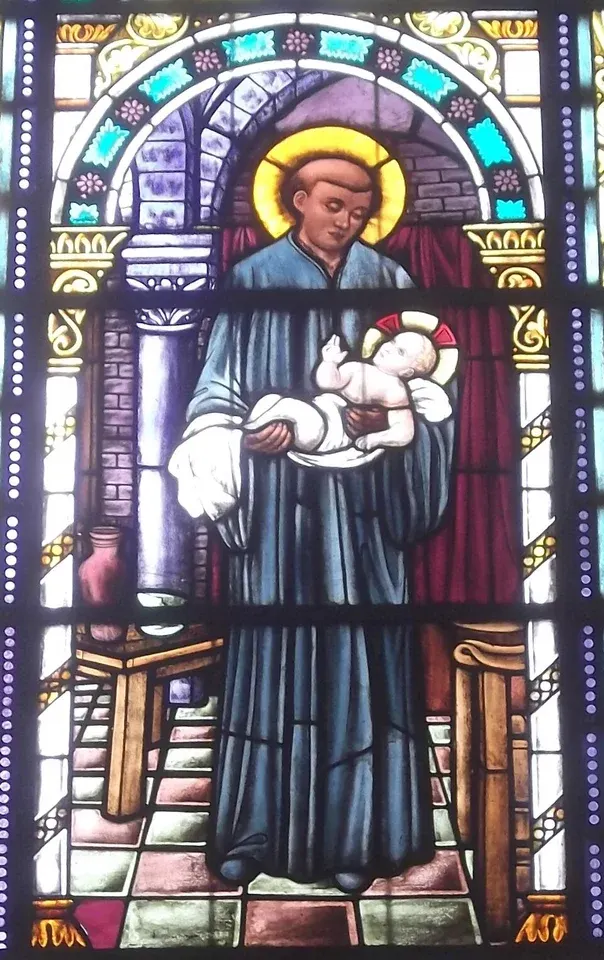
Biography
Benedict, traditionally also called Benedict the Moor, was a Sicilian religious of African ancestry. After living with a group of hermits, he joined the Franciscan community and became known for prayer, practical service, and the ability to guide others.
Before joining the friars, Benedict supported himself through agricultural work. His earlier group of hermits followed Franciscan ideals and was eventually incorporated into the order. The change connected an existing ascetic vocation with a larger religious community and its responsibilities.
Accounts of his leadership emphasize an ability to correct others without clinging to status. One remembered episode describes him asking forgiveness after mistakenly assigning a penance. Such stories express the qualities for which the community valued him: sound judgment joined with readiness to acknowledge his own error.
Although a religious brother rather than a priest, he served as novice master and guardian among the friars in Palermo. After holding authority, he returned to work in the kitchen. His life illustrates how leadership and ordinary service could belong to the same vocation. Canonized in 1807, he is honored particularly among African Americans. His liturgical feast is April 4.
Context & contribution
Belonging and authority in a Franciscan household
The Franciscan remembrance of Benedict notes a small habit with institutional meaning: he described communal possessions as belonging to the brothers together rather than to himself. That language connects poverty with shared responsibility. His spirituality involved the goods people handled and the meals they prepared, not only withdrawal from material things.
His appointment to form novices also deserves attention. A novice master helps newcomers learn how an entire religious life works; the role involves judgment, example, and patient explanation. Benedict exercised that influence as a brother who was not ordained. Alongside his service as guardian, it shows that his community recognized spiritual authority in someone whose value could not be measured by priestly office or academic credentials.
Explore the sources for this section
AI-assisted source comparison updated 2026-09-26. Editorial approach
From the Saint Discovery blog
Keep exploring your faith
Practical guides to prayer, the saints, and living the Catholic faith.
What Is the Domestic Church? John Paul II on Faith at Home
What Catholics mean by the domestic church, how John Paul II explained family life, and practical ways to begin with prayer, forgiveness and welcome.
Bring reflection into prayerRead the article Prayer & reflectionHow to Make a Spiritual Communion When You Cannot Receive
Learn how to make a spiritual communion, with a short original prayer and clear guidance on Mass, Confession, and times when you cannot receive.
Bring reflection into prayerRead the articleFrom reading to reflection
What will you carry with you?
After reading about St. Benedict the African, take a moment to consider:
- Imagine entering Benedict's community as a novice: what could the kitchen teach you about shared ownership that a lecture might leave unexplained?
These are reflection prompts from Saint Discovery, not quotations from the saint.
Sources and further reading
Biography source comparison recorded on . This is an AI-assisted comparison, not independent human or ecclesiastical approval.
What the recorded review covers
AI-assisted expansion checked against retrieved historical and institutional sources; traditions distinguished from documented history; not ecclesiastical approval
A source list helps you check an account; it does not establish that every claim is certain. Follow the biography’s qualifications about historical evidence, traditions and feast calendars.
Suggest a correction to this biography
How we research these pages and handle corrections · Directory corrections log
More lives to explore
Suggestions based on the site’s quiz themes, not a historical relationship or a measure of holiness.