Catholic saint biography
St. Anthony Mary Zaccaria
- Commemoration:
- July 5
- Lived:
- 1502–1539 — Cremona and Milan, Italy
Why dates and liturgical observances can differ
Read the sources for this biography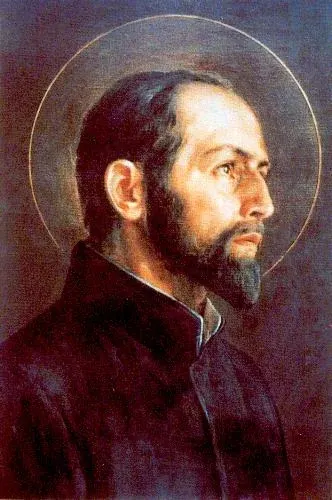
Biography
Anthony Mary Zaccaria was born in Cremona and trained in medicine before becoming a priest. His religious work centered on renewal of Christian life through preaching, prayer, and communities inspired by the apostle Paul.
His medical education preceded his pastoral work rather than serving as an incidental detail. In both settings he encountered the needs of people directly. The Pauline character of his foundations emphasized an active renewal of Christian living rather than a withdrawal from the difficulties of contemporary society.
The Angelic Sisters were intended to collaborate in that mission. Their later history included a period of imposed enclosure and eventual restoration of an active apostolate. Distinguishing those stages prevents later arrangements from being mistaken for the whole of Zaccaria’s original vision.
He helped establish the Barnabites in 1533 and the Angelic Sisters in 1535, connecting the work of priests, religious women, and laypeople. His short life left institutions that continued beyond his death in 1539. Leo XIII canonized him in 1897, and his feast is July 5. Reports of extraordinary experiences belong to his devotional biography and should not replace the documented history of his foundations.
Context & contribution
Making time itself a reminder of prayer
Barnabite tradition associates Zaccaria with the spread of Forty Hours Eucharistic devotion in Milan and the ringing of a bell on Friday afternoons to recall Christ's death. These practices joined a public sound and a shared schedule to personal religious attention. They brought remembrance into the life of a city.
The Barnabite biography describes preaching and solemn worship working together to encourage participation. Its broad claims of priority need not be repeated to recognize Zaccaria's importance in promoting the practices. His contribution was to connect the renewal of daily Christian life with concrete communal habits, alongside the longer-term work of the religious families he helped establish.
Explore the sources for this section
AI-assisted source comparison updated 2026-09-26. Editorial approach
From the Saint Discovery blog
Keep exploring your faith
Practical guides to prayer, the saints, and living the Catholic faith.
What Is the Domestic Church? John Paul II on Faith at Home
What Catholics mean by the domestic church, how John Paul II explained family life, and practical ways to begin with prayer, forgiveness and welcome.
Bring reflection into prayerRead the article Prayer & reflectionHow to Make a Spiritual Communion When You Cannot Receive
Learn how to make a spiritual communion, with a short original prayer and clear guidance on Mass, Confession, and times when you cannot receive.
Bring reflection into prayerRead the articleFrom reading to reflection
What will you carry with you?
After reading about St. Anthony Mary Zaccaria, take a moment to consider:
- Consider the Friday bell as a public reminder. How does a shared time for prayer affect a community differently from an individual's private resolution?
These are reflection prompts from Saint Discovery, not quotations from the saint.
Sources and further reading
Biography source comparison recorded on . This is an AI-assisted comparison, not independent human or ecclesiastical approval.
What the recorded review covers
AI-assisted expansion checked against retrieved historical and institutional sources; traditions distinguished from documented history; not ecclesiastical approval
A source list helps you check an account; it does not establish that every claim is certain. Follow the biography’s qualifications about historical evidence, traditions and feast calendars.
Suggest a correction to this biography
How we research these pages and handle corrections · Directory corrections log
More lives to explore
Suggestions based on the site’s quiz themes, not a historical relationship or a measure of holiness.