Catholic saint biography
St. Teresa of the Andes
- Commemoration:
- July 13
- Lived:
- 1900–1920 — Santiago and Los Andes, Chile
July 13 in Carmelite calendars; she died on April 12.
Why dates and liturgical observances can differ
Read the sources for this biography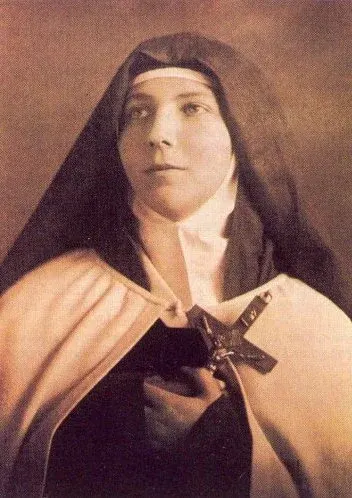
Biography
Teresa of the Andes was born Juanita Fernández Solar in Santiago, Chile. Before entering religious life, she enjoyed outdoor activities, taught catechism, and helped children from disadvantaged families. Reading Carmelite writers strengthened her desire to understand prayer as friendship with God and commitment to others.
Her youth included family tensions and the pain of separation at boarding school. She tried to respond by attending faithfully to her responsibilities and caring for the people around her. Her path to Carmel developed through study, correspondence with the prioress, and a visit that clarified her decision.
At Los Andes, the sisters’ simplicity and warmth attracted her. Entering did not end her affection for those outside: she continued to encourage relatives and friends through letters. This connection between contemplation and personal friendship is one reason her short life remains accessible to young readers.
She entered the Carmel at Los Andes in May 1919 and took the name Teresa of Jesus. Her letters and diary preserve the development of her spirituality and her affectionate concern for family and friends. Serious illness followed within a year; she made her religious profession shortly before dying on April 12, 1920.
Context & contribution
A vocation formed through reading and conversation
The Discalced Carmelite account traces Juanita’s encounter with Teresa of Avila, Thérèse, and Elizabeth of the Trinity, followed by correspondence with Mother Angelica. Reading introduced possibilities, while conversation helped her discern how they related to her own life. Her decision developed through relationships rather than an isolated moment.
Her letters continued that relational work after she entered Carmel. They addressed family and friends with affection and encouragement, making a short cloistered life a source of guidance beyond the monastery. The surviving diaries and correspondence therefore matter as works with real recipients, not simply collections of inspiring sentences.
Explore the sources for this section
AI-assisted source comparison updated 2026-09-26. Editorial approach
From the Saint Discovery blog
Keep exploring your faith
Practical guides to prayer, the saints, and living the Catholic faith.
What Is the Domestic Church? John Paul II on Faith at Home
What Catholics mean by the domestic church, how John Paul II explained family life, and practical ways to begin with prayer, forgiveness and welcome.
Bring reflection into prayerRead the article Prayer & reflectionHow to Make a Spiritual Communion When You Cannot Receive
Learn how to make a spiritual communion, with a short original prayer and clear guidance on Mass, Confession, and times when you cannot receive.
Bring reflection into prayerRead the articleFrom reading to reflection
What will you carry with you?
After reading about St. Teresa of the Andes, take a moment to consider:
- What is gained by reading one of Teresa’s letters with attention to its recipient and circumstances?
These are reflection prompts from Saint Discovery, not quotations from the saint.
Sources and further reading
Biography source comparison recorded on . This is an AI-assisted comparison, not independent human or ecclesiastical approval.
What the recorded review covers
AI-assisted expansion using the linked historical and ecclesiastical sources; devotional traditions distinguished from documented history.
A source list helps you check an account; it does not establish that every claim is certain. Follow the biography’s qualifications about historical evidence, traditions and feast calendars.
Suggest a correction to this biography
How we research these pages and handle corrections · Directory corrections log
More lives to explore
Suggestions based on the site’s quiz themes, not a historical relationship or a measure of holiness.